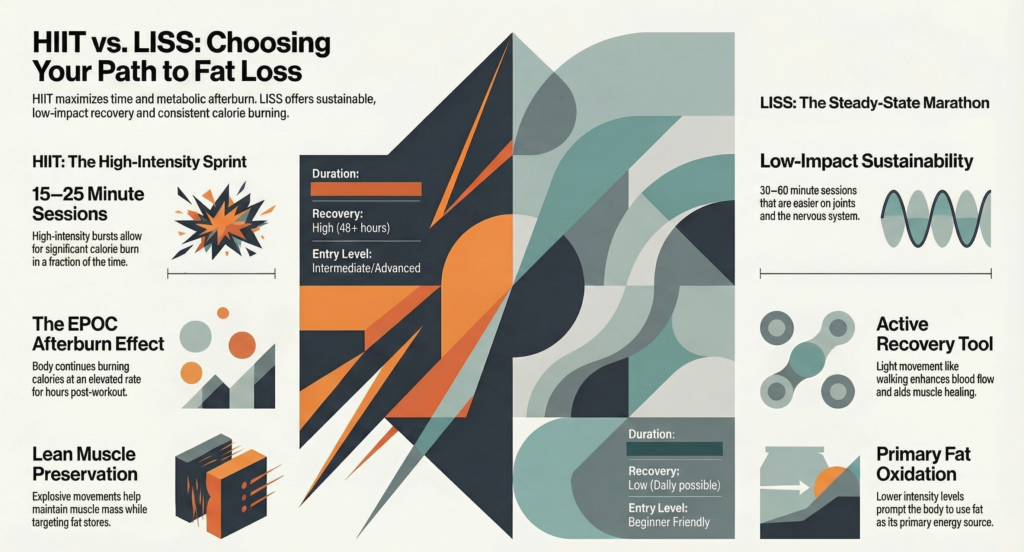
6 Pros and Cons of HIIT vs LISS for Fat Loss
This infographic provides a complete overview of HIIT vs LISS, helping you choose the best approach for your fat loss goals. HIIT is ideal for short, intense sessions that maximize calorie burn and metabolic activity. LISS offers a steady, low-impact option that supports recovery and long-term adherence. Both methods have unique advantages and work best when combined strategically. By understanding their roles, you can create a personalized routine that aligns with your fitness level and lifestyle. The ultimate goal is not choosing one over the other, but building a sustainable system that delivers consistent results.
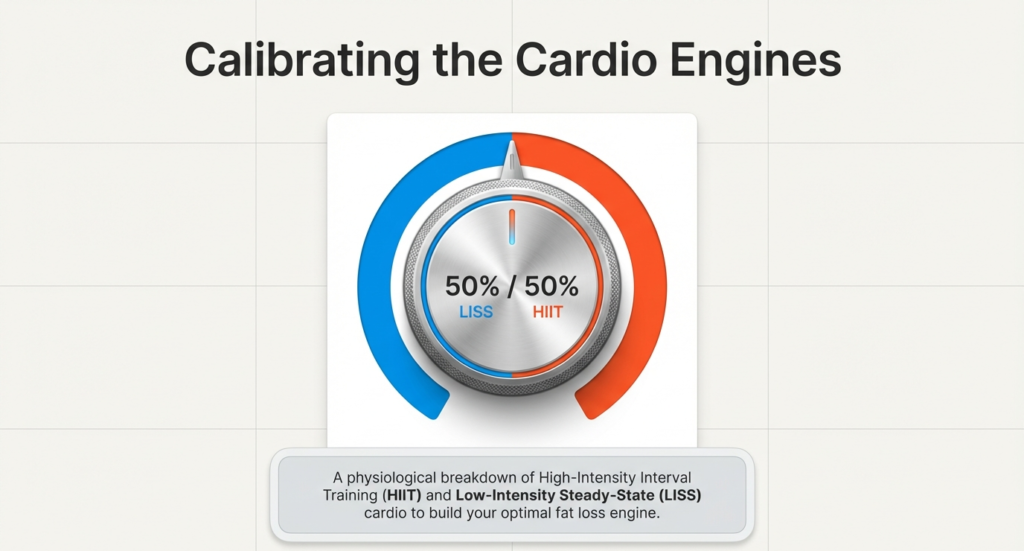
HIIT vs LISS Cardio Balance for Fat Loss
This visual represents the balance between HIIT and LISS as two powerful fat loss engines working together. Instead of choosing one method as superior, the key lies in understanding how both contribute to optimal results. HIIT provides intensity and metabolic boost, while LISS supports sustainability and recovery. When combined correctly, they create a complete fat loss system that maximizes calorie burn without overtraining. This balanced 50-50 approach highlights that fat loss is not about extremes, but about strategic integration. By calibrating both methods based on your lifestyle and recovery capacity, you can build a more efficient, long-term fat loss routine.
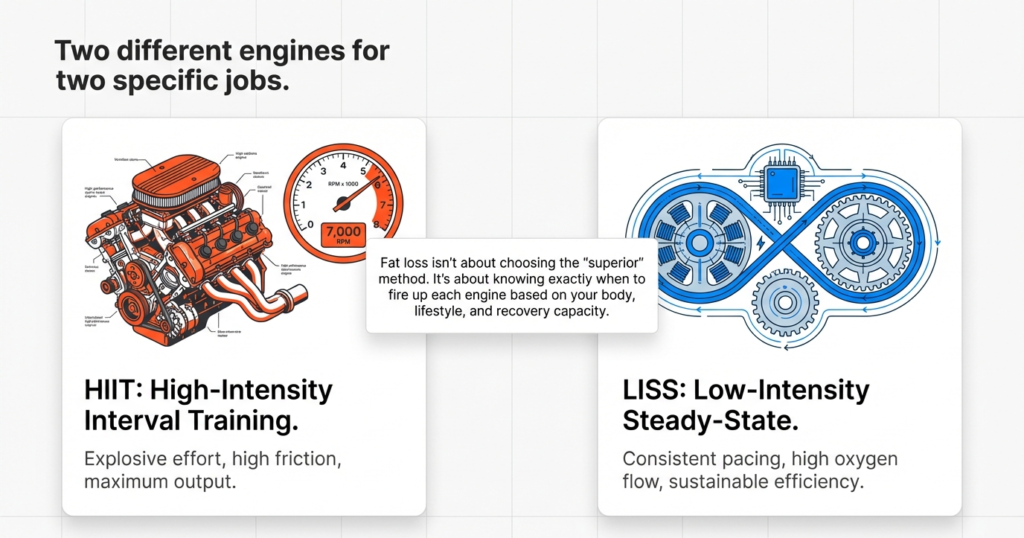
Two Cardio Systems Explained: HIIT vs LISS
HIIT and LISS function like two different engines designed for specific roles in fat loss. HIIT acts as a high-performance engine, delivering explosive energy output and rapid calorie burning in a short time. On the other hand, LISS operates like a steady, efficient engine, maintaining consistent energy expenditure over longer durations. Both systems are essential but serve different purposes depending on your fitness level and goals. Understanding when to use each method allows you to train smarter rather than harder. Instead of comparing them, recognizing their unique benefits helps you create a balanced cardio strategy that supports both performance and sustainability.
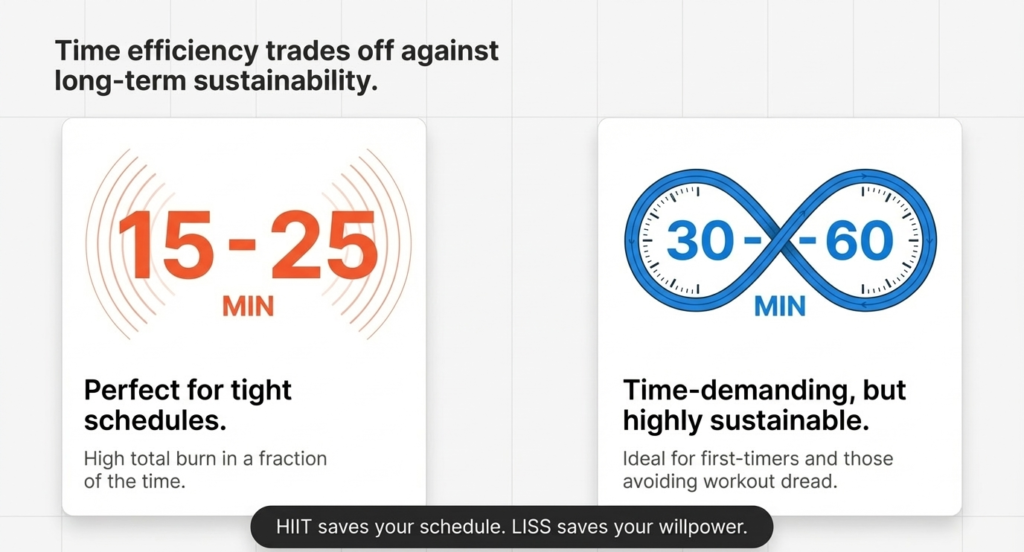
HIIT vs LISS Time Efficiency Comparison
Time efficiency is one of the biggest advantages of HIIT, as it allows you to burn a significant number of calories in just 15–25 minutes. This makes it ideal for individuals with busy schedules who still want effective fat loss results. In contrast, LISS requires longer sessions, typically lasting 30–60 minutes, which may seem less convenient. However, LISS offers greater sustainability and is easier to maintain consistently over time. It places less stress on the body, making it suitable for beginners or those avoiding burnout. Choosing between the two depends on whether you prioritize time-saving intensity or long-term consistency.
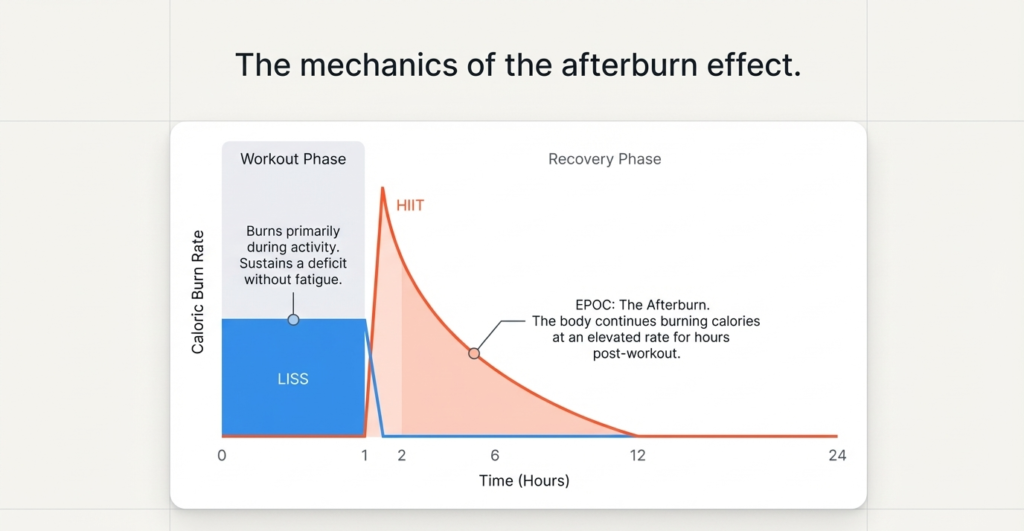
HIIT Afterburn Effect (EPOC) Explained
The afterburn effect, also known as EPOC, is a major advantage of HIIT training. After a high-intensity workout, your body continues to burn calories at an elevated rate for several hours. This extended calorie expenditure makes HIIT highly effective for fat loss, even after the session ends. In contrast, LISS primarily burns calories during the workout itself, without a significant afterburn effect. However, it allows for steady and consistent energy expenditure without excessive fatigue. Both methods contribute differently to fat loss, with HIIT focusing on post-workout burn and LISS emphasizing sustained calorie output during activity.
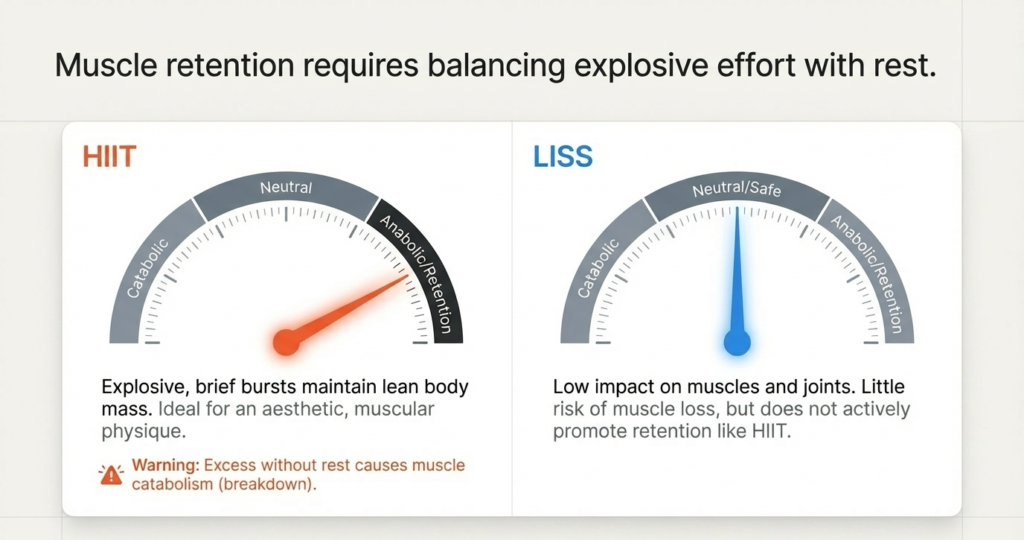
Muscle Retention in HIIT vs LISS
HIIT is highly effective for preserving lean muscle mass due to its explosive and high-intensity nature. It stimulates muscle fibers while promoting fat loss, making it ideal for maintaining a strong, aesthetic physique. However, excessive HIIT without proper recovery can lead to muscle breakdown and overtraining. LISS, on the other hand, is gentle on muscles and joints, reducing the risk of injury or fatigue. While it does not actively promote muscle retention like HIIT, it supports fat loss without placing excessive stress on the body. Balancing both methods ensures muscle preservation while minimizing the risk of overtraining.
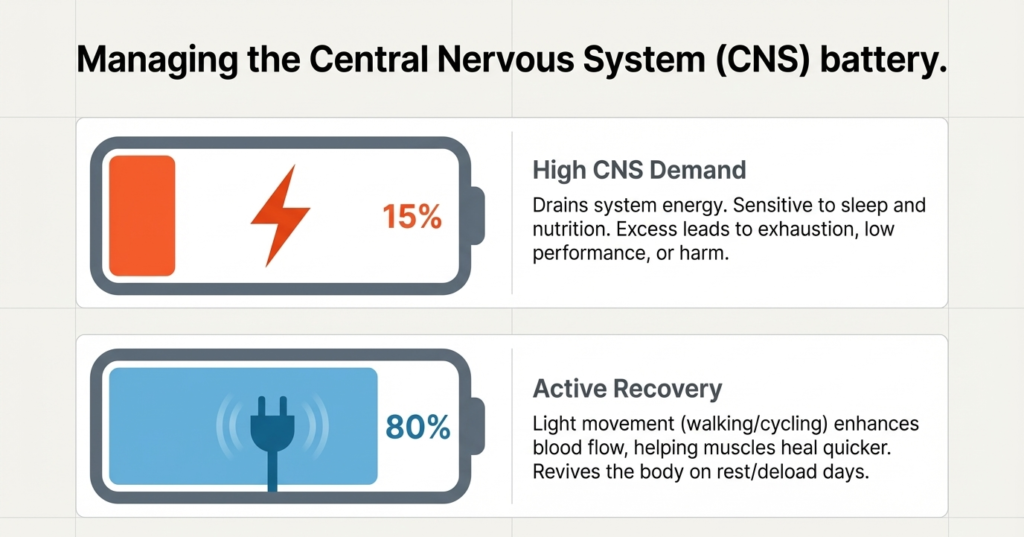
CNS Fatigue and Recovery: HIIT vs LISS
HIIT places a high demand on the central nervous system, making it physically and mentally taxing. Frequent high-intensity sessions can lead to fatigue, reduced performance, and increased risk of injury if recovery is not properly managed. Adequate sleep, nutrition, and rest days are essential when incorporating HIIT into your routine. In contrast, LISS is far less stressful on the nervous system and can even promote recovery. Activities like walking or light cycling improve blood circulation, helping muscles repair faster. This makes LISS an excellent choice for active recovery days, allowing you to stay consistent without overwhelming your body.
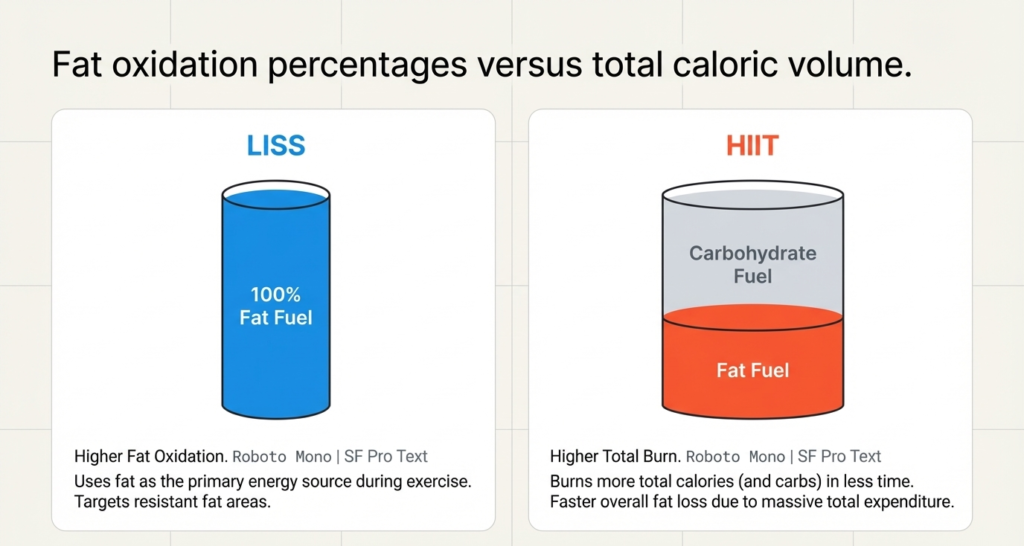
Fat Oxidation vs Total Calorie Burn
LISS is known for its ability to utilize fat as the primary energy source during exercise. Because it operates at a lower intensity, the body relies more on fat oxidation, making it effective for targeting stubborn fat areas. However, HIIT burns more total calories in a shorter period, even though it primarily uses carbohydrates during the workout. The higher overall calorie expenditure from HIIT can lead to faster fat loss over time. Both methods are effective, but they work differently. LISS focuses on fat utilization during exercise, while HIIT emphasizes total energy expenditure and metabolic impact.
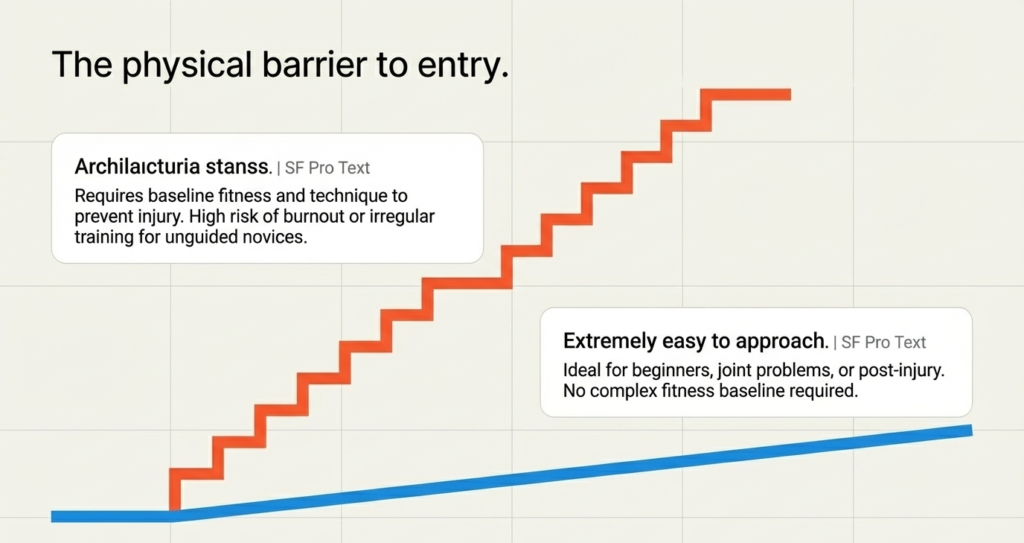
HIIT vs LISS Accessibility for Beginners
LISS is highly accessible and beginner-friendly, making it an excellent starting point for anyone new to fitness. Simple activities like walking, cycling, or light jogging require minimal skill and reduce the risk of injury. It is also suitable for individuals with joint issues or those recovering from injuries. In contrast, HIIT requires a certain level of fitness, coordination, and proper technique to perform safely. Beginners may find it challenging and difficult to sustain without guidance. Starting with LISS and gradually progressing to HIIT can help build endurance, confidence, and a solid fitness foundation.
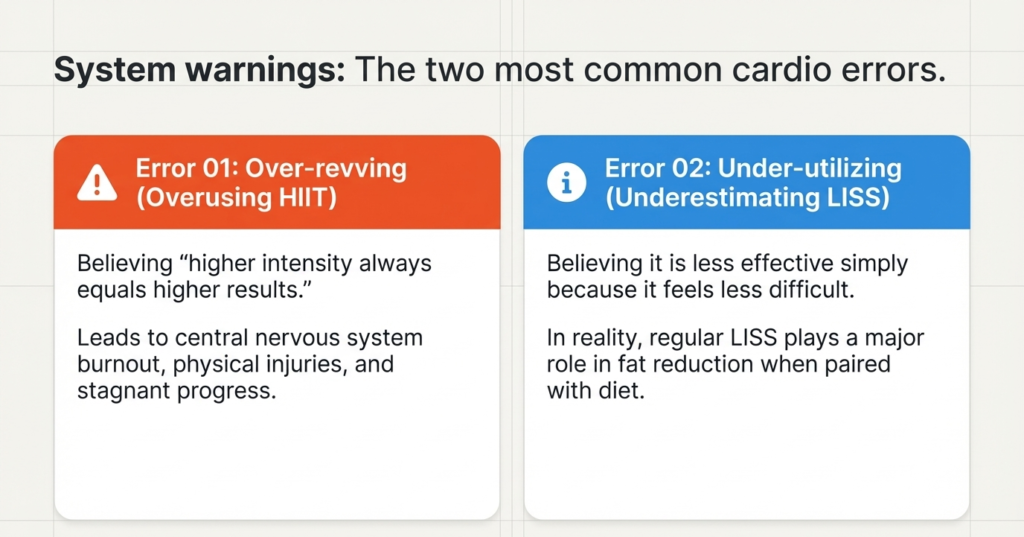
Common HIIT and LISS Cardio Mistakes
One of the most common mistakes in fat loss training is overusing HIIT under the assumption that higher intensity always leads to better results. This often results in burnout, injuries, and stalled progress due to inadequate recovery. Another mistake is underestimating LISS because it feels easier and less demanding. Many people overlook its effectiveness in creating a sustainable calorie deficit over time. Both approaches have value, but misuse can limit results. The key is to balance intensity and consistency, using HIIT strategically while incorporating LISS to support recovery and long-term adherence.
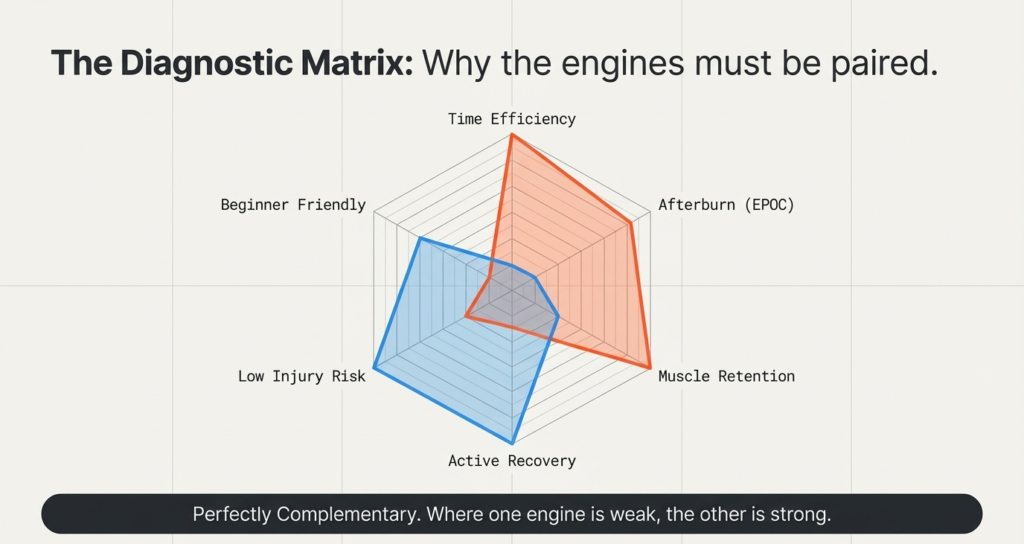
HIIT vs LISS Comparison Matrix
This comparison matrix highlights how HIIT and LISS complement each other across different fitness variables. HIIT excels in time efficiency, calorie burn, and muscle retention, making it ideal for short, intense workouts. LISS, on the other hand, performs better in areas like recovery, injury prevention, and beginner accessibility. Instead of competing, both methods fill gaps where the other falls short. Understanding this balance allows you to design a more effective fat loss strategy. By combining their strengths, you can improve overall performance, reduce injury risk, and maintain consistency in your training routine.
Read more: https://www.healthline.com/health/exercise-fitness/liss-cardio#bottom-line
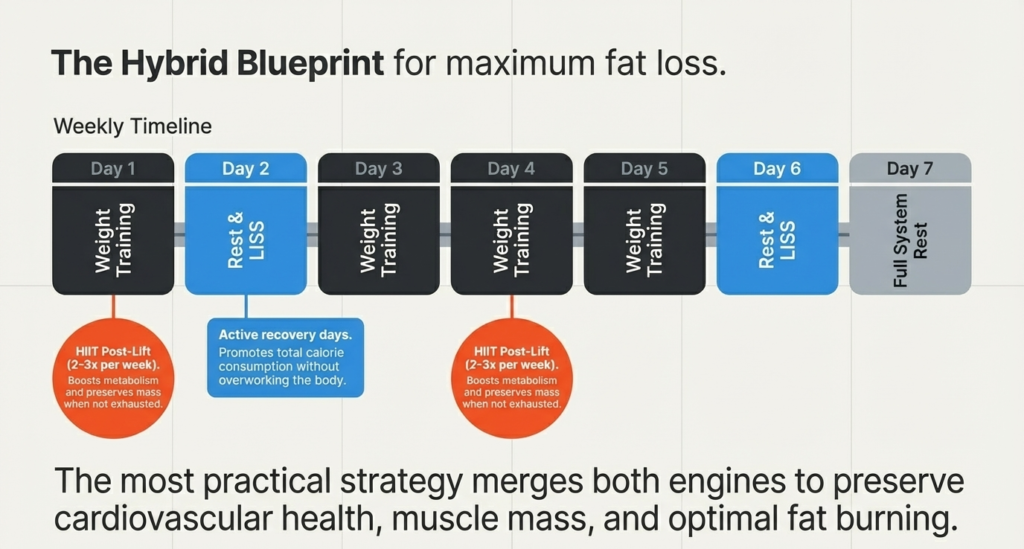
Weekly HIIT and LISS Hybrid Plan
A hybrid weekly plan combining HIIT and LISS offers the most practical approach to fat loss. HIIT sessions can be scheduled 2–3 times per week to boost metabolism and maintain muscle mass. LISS can be included on rest days or after workouts to increase calorie expenditure without adding excessive fatigue. This structure allows for both intensity and recovery, ensuring long-term sustainability. By alternating between high and low intensity, you prevent burnout while maximizing results. A well-planned routine that integrates both methods helps improve cardiovascular health, supports muscle retention, and enhances overall fat loss efficiency.
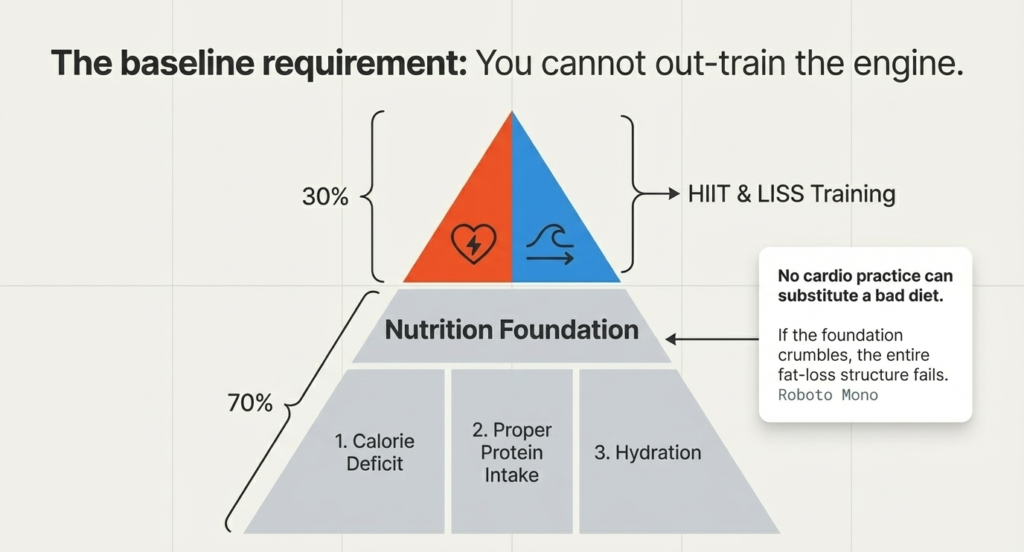
Fat Loss Pyramid: Nutrition vs Cardio
No cardio strategy can compensate for poor nutrition, making diet the foundation of fat loss. A proper calorie deficit, adequate protein intake, and sufficient hydration are essential for achieving results. While HIIT and LISS contribute to calorie expenditure, they only represent a portion of the overall equation. Nutrition accounts for the majority of fat loss success. Without a solid dietary foundation, even the most intense workouts will fail to deliver results. Combining effective cardio with proper nutrition creates a sustainable system that supports long-term fat loss and overall health.
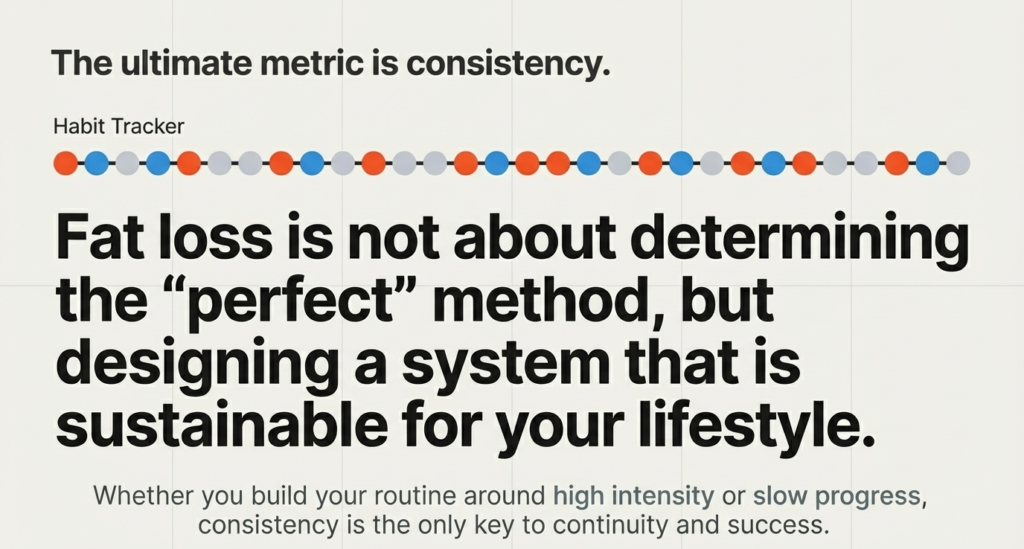
Consistency is Key for Fat Loss
Consistency is the most important factor in any fat loss journey. It is not about finding the perfect workout method but about maintaining a routine that you can follow long-term. Whether you choose HIIT, LISS, or a combination of both, results come from regular effort over time. Many people fail because they chase intensity instead of sustainability. Building habits and staying consistent leads to steady progress and lasting results. A balanced approach that fits your lifestyle is far more effective than short-term extremes that cannot be maintained.

Gearless Physique
Physique Without Gear
Your transformation starts now. Who's with me?