Table of Contents
Toggle5 Proven Strategies to Lose Fat Without Muscle Loss
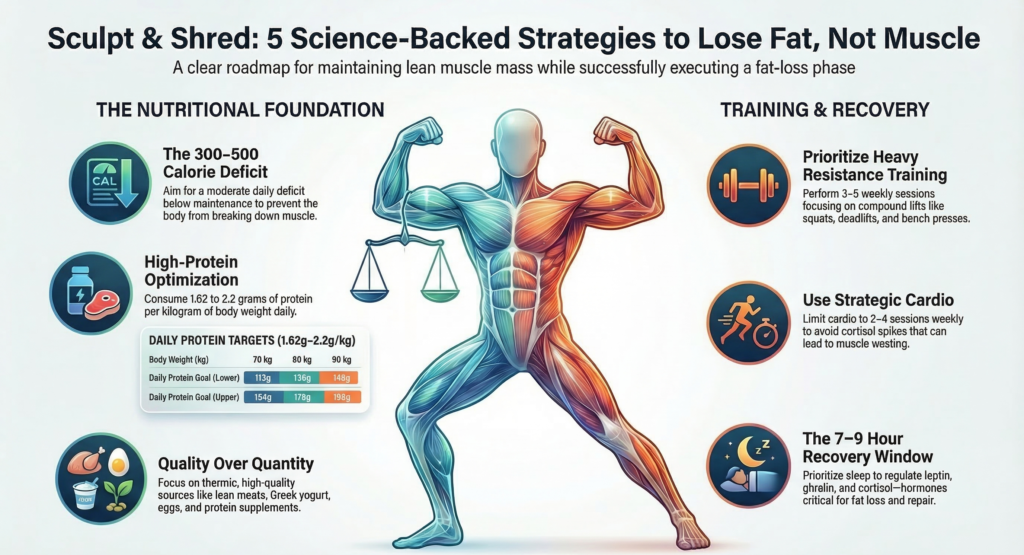
This infographic outlines “Sculpt & Shred: 5 Science-Backed Strategies to Lose Fat Without Muscle loss,” focusing on preserving lean mass during a fat-loss phase. It emphasizes maintaining a moderate calorie deficit of 300–500 kcal to avoid muscle breakdown, alongside high protein intake of 1.6–2.2 g/kg body weight. The importance of quality food sources is highlighted to support overall health and performance. Strength training remains a priority, using compound lifts to maintain muscle mass, while strategic cardio is added in moderation to enhance fat loss. Recovery is also crucial, with 7–9 hours of sleep supporting hormonal balance. Overall, it promotes a balanced, evidence-based approach to achieve a lean, muscular physique.
The Lean Blueprint
One of the largest challenges of fitness is to lose fat without muscle loss/fat loss without losing muscle. Most individuals embark on a fat-loss program and come out with fewer body fat and more muscles. The cause of this is usually extreme dieting, overworking on the cardio or incorrect training methods. In case of muscle loss, slowing metabolism results in lowered strength, and also the body will no longer be lean and athletic, but rather look skinny-fat.
The ability to lose a lot of fat is connected with the need to retain lean muscle mass and lose body fat gradually. This method enhances body composition, increases metabolic health, and keeps one strong in the cutting process. You will discover in this guide five effective methods of burning fat the most efficient way without losing the hard-built muscle.
how to lose fat without losing muscle? These are popular among the athletes, bodybuilders, and the people who are concerned with fitness. When used regularly, you will be able to burn the fat and maintain your strength and muscles.
Standard Dieting vs Lean Blueprint Body Composition Strategy
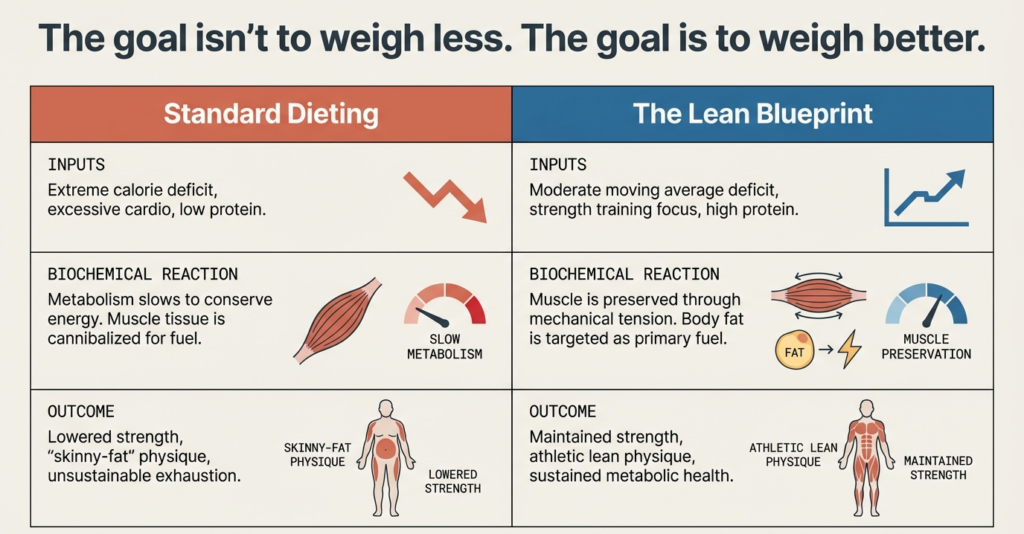
The comparison between standard dieting and the Lean Blueprint strategy highlights why many fat-loss attempts fail. Traditional crash dieting typically involves extreme calorie restriction, excessive cardio, and insufficient protein intake. While this approach may cause rapid weight loss, it often leads to muscle breakdown, slower metabolism, reduced strength, and the common “skinny-fat” appearance. In contrast, the Lean Blueprint emphasizes a moderate calorie deficit, higher protein consumption, and consistent strength training.
This approach signals the body to preserve lean muscle while burning stored fat as fuel. As a result, individuals achieve a leaner, stronger, and more sustainable physique while maintaining metabolic health and long-term fitness performance.
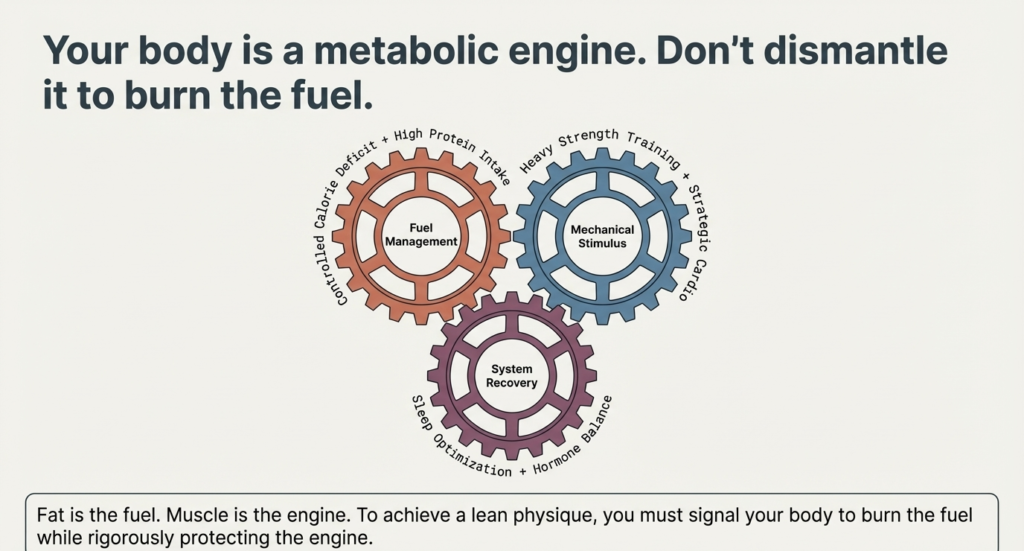
Your Body Is a Metabolic Engine: Fat Loss System Explained
The Metabolic Engine diagram explains that successful fat loss is not driven by a single factor but by a system working together. The body functions like a machine with three essential gears: fuel management, mechanical stimulus, and system recovery. Fuel management represents proper nutrition and maintaining a moderate calorie deficit while consuming adequate protein. Mechanical stimulus comes from strength training, which signals the body to preserve lean muscle tissue.
System recovery includes sleep, hydration, and stress management that allow the body to repair and regulate hormones. When these three components operate together, the body efficiently burns fat while protecting muscle, leading to better body composition and sustainable long-term fitness results.
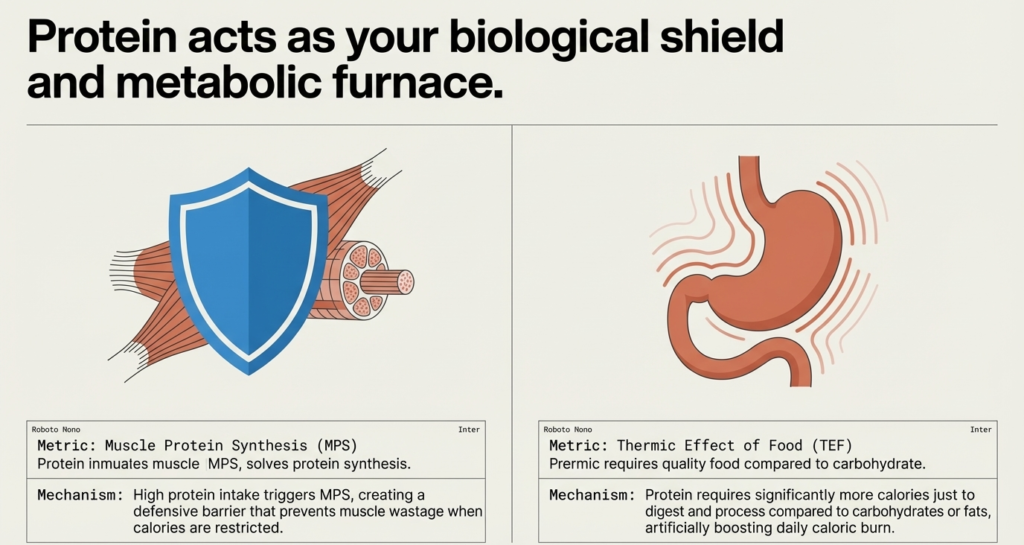
Protein Protects Muscle During Fat Loss
The infographic emphasizes the critical role of protein intake during a fat-loss phase. When calories are reduced, the body may break down muscle tissue for energy if protein intake is too low. Consuming adequate protein helps stimulate muscle protein synthesis, which supports the repair and maintenance of lean muscle mass. Protein also has a higher thermic effect of food (TEF) compared to carbohydrates and fats, meaning the body burns more calories during digestion. Additionally, protein improves satiety, helping control hunger during dieting.
By prioritizing high-quality protein sources in daily meals, individuals can preserve muscle, support metabolism, and achieve more effective and sustainable fat-loss results.
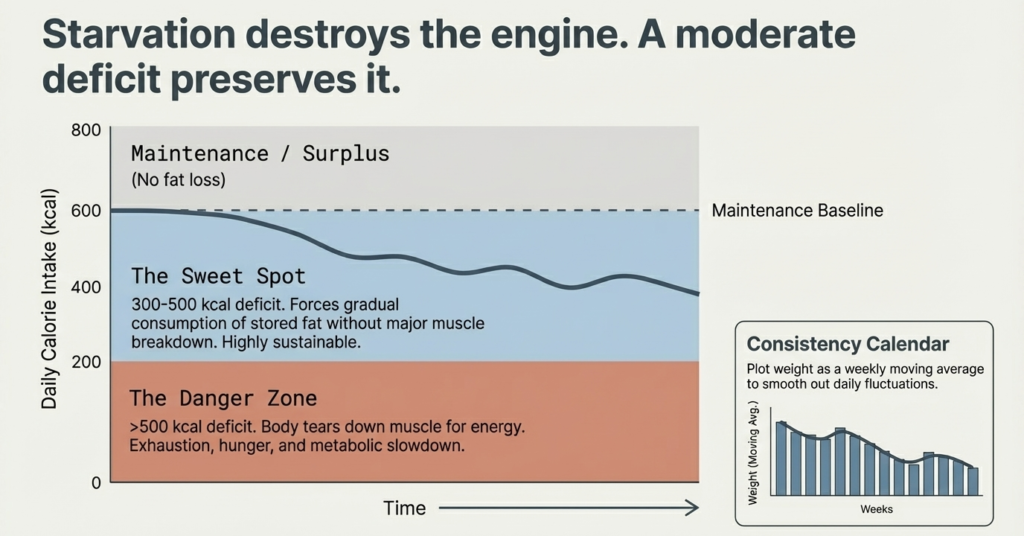
1. Eat a Moving Average Calorie Deficit
The greatest rule of fat loss is that you must have a calorie deficit. But the magnitude of such deficit contributes significantly to the extent of fat or muscle loss. In situations where calories are cut too dramatically, the body is likely to start tearing down muscle to generate energy. Moderate calorie deficit is the best one to maintain the muscle mass and at the same time to lose fat. The majority of specialists suggest that it is better to lower day-to-day calories consumption by 300-500 kcal less than the maintenance level. This enables you to take slow consumption of stored fat in your body without any major breakdown of the muscles.
The other benefit of moderate deficit is sustainability. Unusual diets tend to cause exhaustion, hunger, and decrease in metabolism. A gradual, steady weight loss would enable you to sustain your energy levels, exercise efficiently and not gain weight back. Consistency is also crucial. Measure your calorie consumption, weigh yourself weekly and change calories only when progress is halted. The loss of fat slowly is less dramatic but preserves muscle and gives better long-term outcomes.
Read more: https://gearlessphysique.com/10-ultimate-fat-loss-facts-cardio-vs-weights/
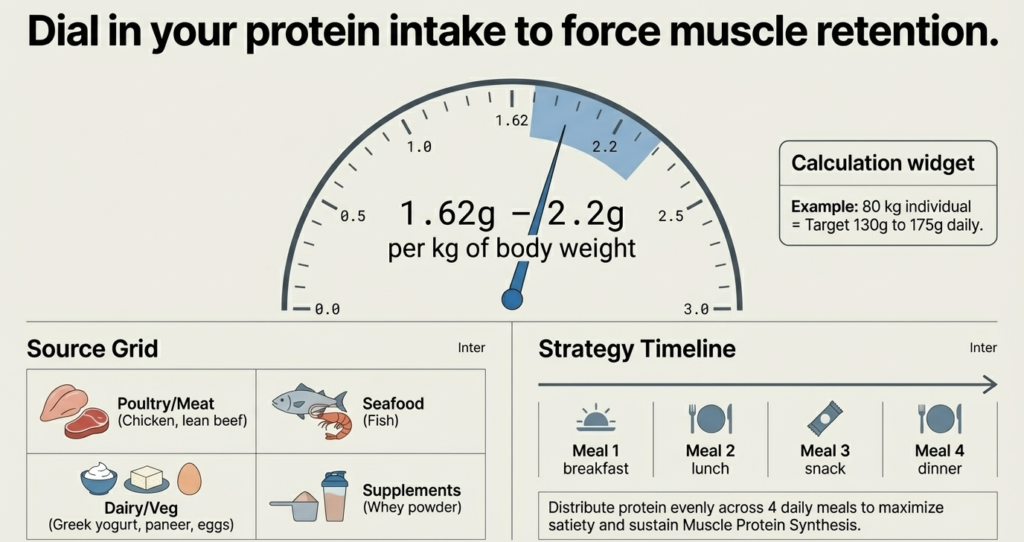
2. Enhance the High Protein Intake
Protein is the most valuable macronutrient in the attempt to lose fat and still gain muscle. In the state of calorie deficit, protein assists in muscle retention, recovery, and maintaining metabolism. Increased protein consumption triggers muscle protein synthesis which is vital in muscle retention. It is also useful in decreasing muscle wastage during the dieting process. Also, protein is very thermic, or it burns a lot of your calories as it is digested as compared to carbohydrates or fats.
The majority of fitness gurus suggest an intake of 1.62 to 2.2 grams of protein depending on the kilograms of body weight in each day of a fat-loss period. As an illustration, a 80 kg individual should target at about 130 -175 grams of protein intake per day. Protein sources with high quality are 4356 The even distribution of protein in the meals during the day can also help to maintain the muscle mass and satiety.
3. Continue Strength Training
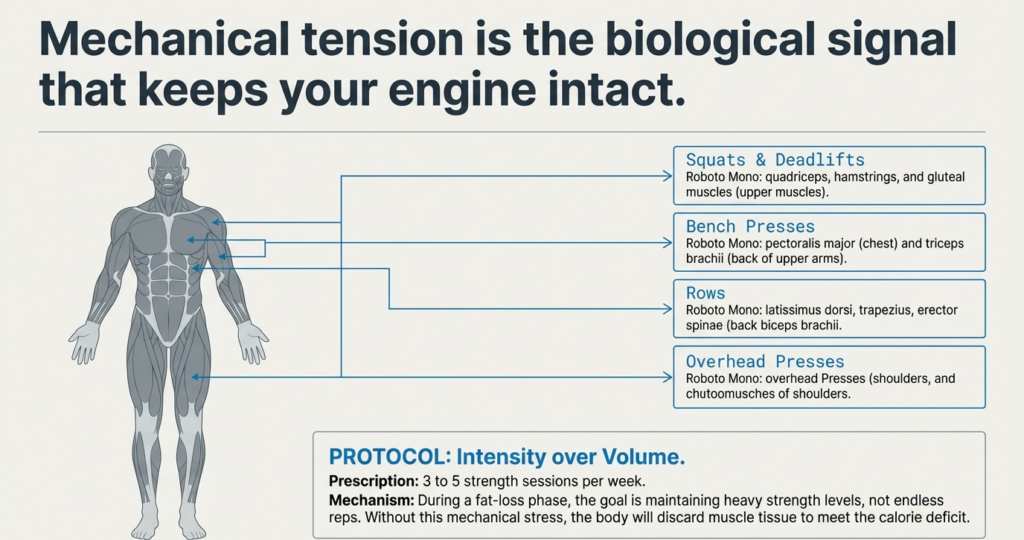
The major error made by individuals in the process of fat loss is to cut on strength training and substitute it with too much cardio. Strength training provides the body with a strong message to retain muscle tissue despite the limited number of calories. Mechanical tension and stress on your muscles occur when you lift weights and this promotes muscle maintenance and growth. The absence of this stimulus can make the body use up muscle in case of calorie deficit.
Compound exercise (squats, deadlifts, bench presses, rows, overhead presses) should be part of a well-structured program of strength training. These exercises involve various muscles and they enhance muscle retention. Intensity of training must be kept at a relatively high amount when losing fat. Concentrate on the maintenance of strength levels and not on the dramatic increase of volume. The general acceptable amount of strength sessions is three to five per week which is enough to maintain muscle mass as well as burn fat.
Through your constant resistance training, you correct making sure that the weight which is lost is not lean tissue but mostly body fat.
4. Use Cardio Strategically
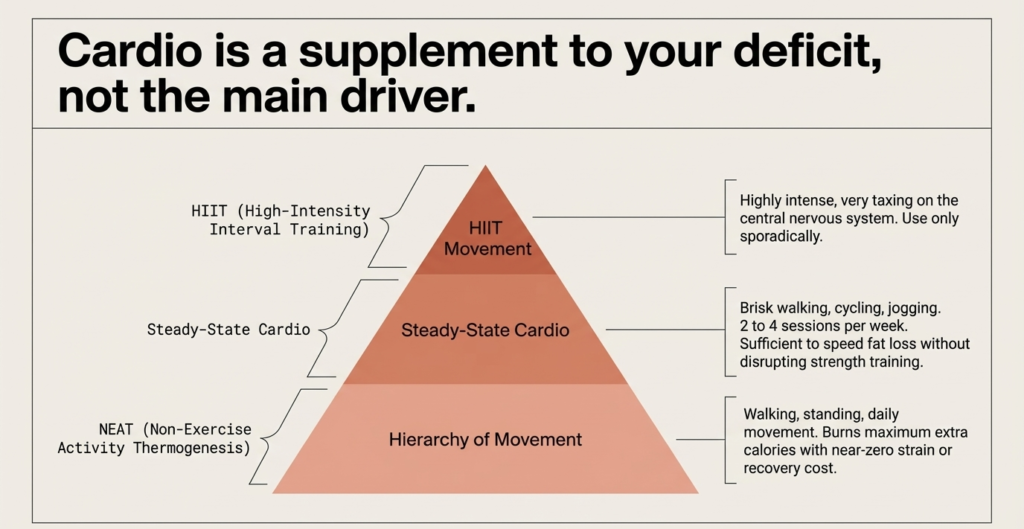
Cardiovascular exercise is a great means of fat loss though, it must be applied strategically. Too much cardio might augment fatigue, elevate the amount of cortisol, and ultimately lead to muscle loss in case recovery and nutrition are not sufficient. Rather than working out long hours of cardio each day, strive to take moderate amounts of cardio that supplement your deficit of calories. Cardio is usually sufficient to speed fat loss without disrupting the strength training (two to four sessions per week).
Both high-intensity interval training (HIIT) and steady-state cardio may be effective. Monotonous exercises, such as brisk walking, cycling, or jogging are less traumatizing and can be performed more often. HIIT sessions are less long but more intense and can only be used sporadically. The other successful strategy is engaging in daily physical activity by walking, standing, or generally moving. This strategy has been referred to as non-exercise activity thermogenesis (NEAT) that helps in burning extra calories without exposing the body to a lot of strain.
Through balance and intentionality of cardio, you are likely to increase fat loss and simultaneously safeguard muscle mass and recuperation.
5. Make Sleep and Recovery a Priority.
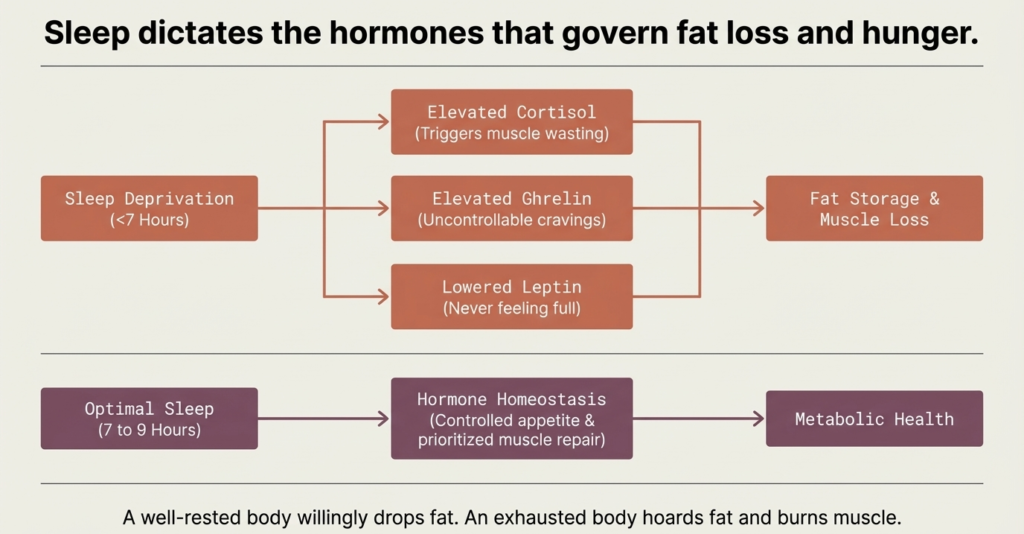
Factors in fat loss and muscle preservation that are ignored include sleep and recovery. The low quality of sleep may interfere with hormones that control hunger, metabolism, and muscle repair. The insufficient amount of sleep leads to the increase of cortisol secretion in the body which is one of the stress hormones and is related to muscle wasting and fat storage. Meanwhile, leptin and ghrelin, the hormones that regulate the feeling of hunger, are analyzed in a disproportionate manner and contribute to the growth of hunger and cravings.
It is important to get seven to nine hours of healthy sleep per night to promote fat loss and muscle maintenance. Sleep quality can be improved by creating a regular sleep pattern, reducing the time spent in front of screens, and establishing a comfortable sleeping space. Training stress and giving the muscles time to recuperate also form part of the recovery process. Excessive training with a negative calorie balance may result in muscle loss and trauma.
Adding rest days, mobility work and stress-reducing habits like stretching or meditation can facilitate the preservation of optimal recovery. The body is relaxed and the body is doing better when it is rested and the body is maintaining the muscles better when it is losing fat.
Excessive Cardio Can Cause Muscle Loss
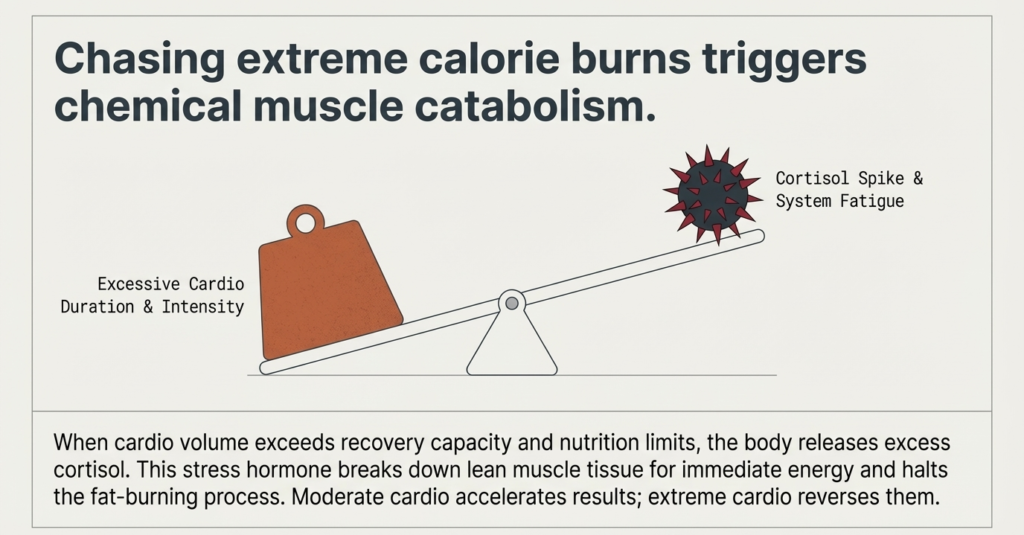
The infographic explains how excessive cardio during a fat-loss phase can negatively affect muscle preservation. While cardio helps burn calories and support fat loss, performing too much of it can increase cortisol, a stress hormone linked to muscle breakdown. Elevated cortisol levels may reduce recovery, decrease strength, and cause the body to use muscle tissue for energy, especially when combined with a calorie deficit. Instead of relying heavily on cardio, a balanced strategy that includes strength training, moderate cardio, proper nutrition, and recovery is more effective.
This approach allows the body to burn fat efficiently while maintaining lean muscle mass and overall metabolic health.
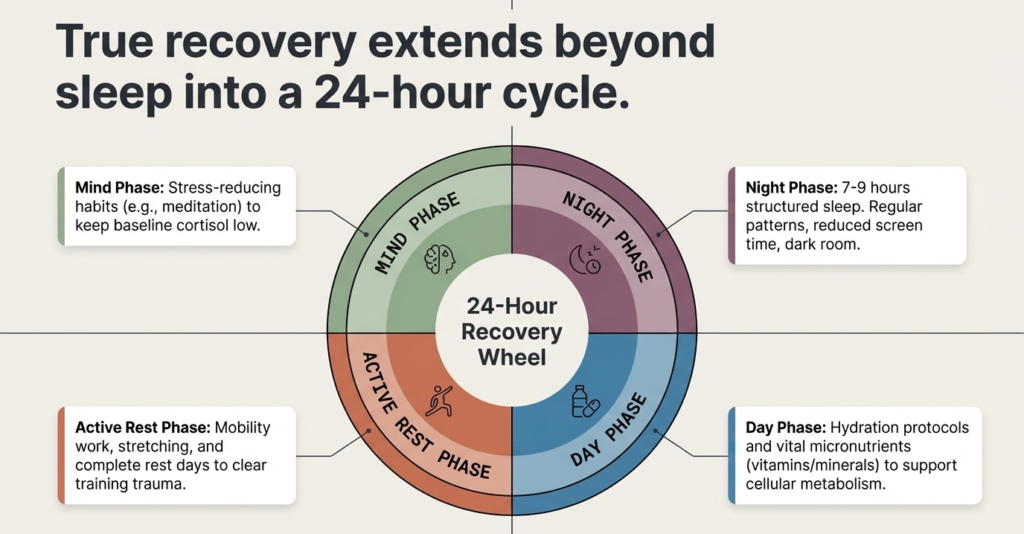
24-Hour Recovery Cycle for Fat Loss and Muscle Preservation
The 24-Hour Recovery Cycle infographic highlights that effective recovery is not limited to sleep alone but extends throughout the entire day. It includes four key phases: the mind phase, which focuses on stress management and maintaining balanced cortisol levels; the day phase, emphasizing proper hydration and essential nutrients to support metabolism; the active rest phase, which involves mobility work, stretching, and light activity to aid muscle repair; and the night phase, where 7–9 hours of quality sleep allow the body to fully recover.
When these recovery elements work together, the body repairs muscle tissue, balances hormones, and supports sustainable fat loss while maintaining strength and performance.
More Ideas on how to maintain muscle in case of fat loss
Although the above five strategies are the basis of successful fat loss, there are a number of other habits that can be added to improve your outcomes.
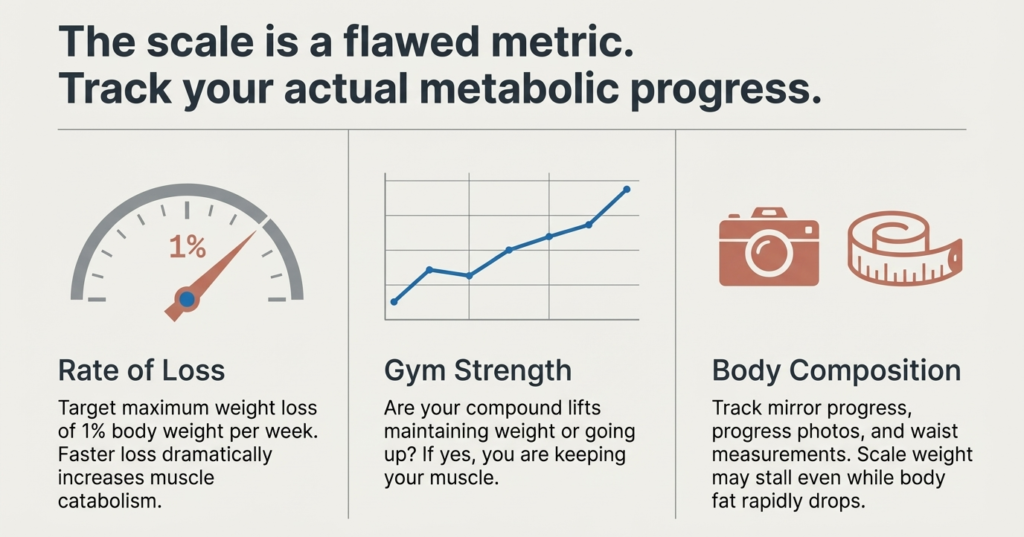
- To begin with, do not lose weight too quickly. Weight loss of over 1 percent per week predisposes the risk of muscle loss. Reduced fat loss rate is more permanent and it helps to preserve lean mass.
- Second, keep hydrated and eat in a healthy and balanced way. Micronutrients like vitamins and minerals promote the health of muscles and metabolism during dieting.
- Third, monitor your improvements outside of the scale. Track the amount of strength, body images, and progress. In some cases, body composition is even enhanced by a slow change in scale weight.
- Lastly, be patient and persistent. Loss of fat and retention of muscle is a long process, yet the benefits can be seen in the long run, which include having a stronger, leaner, and healthy body.
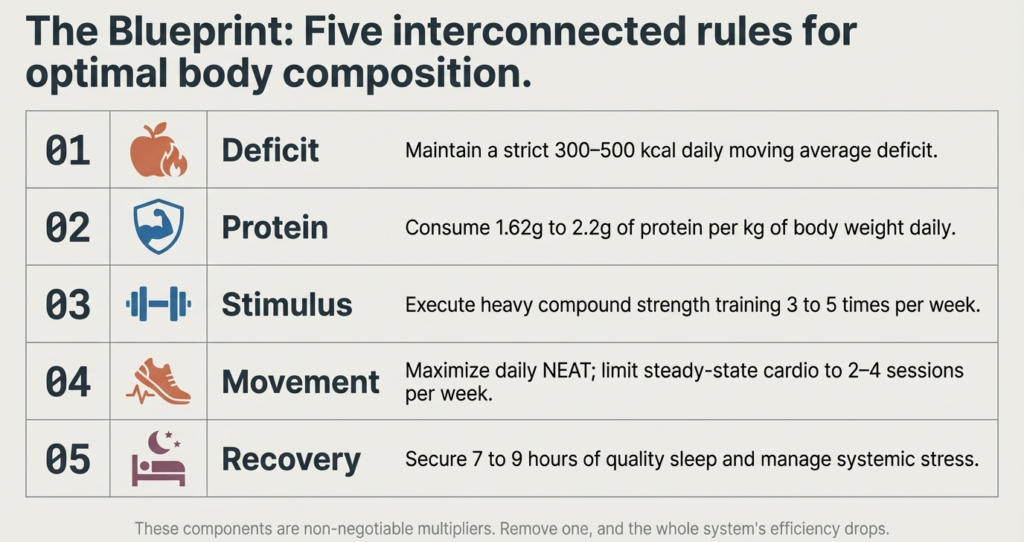
The 5 Core Rules for Losing Fat Without Losing Muscle
The infographic highlights five core rules for losing fat while preserving muscle mass. These principles work together to create a sustainable fat-loss strategy rather than relying on extreme dieting or excessive cardio. First, maintaining a moderate calorie deficit allows the body to burn stored fat without breaking down muscle. Second, consuming adequate protein supports muscle repair and growth. Third, strength training provides the mechanical stimulus needed to maintain lean tissue. Fourth, increasing daily movement or NEAT activity helps burn extra calories throughout the day.
Finally, prioritizing quality recovery and sleep regulates hormones and improves muscle repair. Together, these pillars build a stronger metabolism and a leaner, healthier physique.
Final Thoughts
To lose fat without losing muscle, one has to adopt a balanced program involving proper nutrition, proper training and rest. Dieting too hard or overworking the cardio can cause weight loss, although at the cost of losing muscles and slowing down of the metabolism. A moderate amount of calorie deficit, adequate protein intake, strength training, cardio training used wisely and sleep maximize fat depletion and spare lean muscle, respectively.
The strategies are common among effective athletes and fitness experts as they are effective when implemented well. With time, they aid in the enhancement of body composition, body strength, and health. Also keep in mind that there is no such thing as quick fixes to weight loss and it is rather a matter of developing habits that will help in maintaining fitness in the long run. The correct approach and effort will result in a trim figure without necessarily losing the muscle that you have invested so much time to gain.

Gearless Physique
Physique Without Gear
Your transformation starts now. Who's with me?