Table of Contents
Toggle7 Discipline Habits That Build Mental Strength
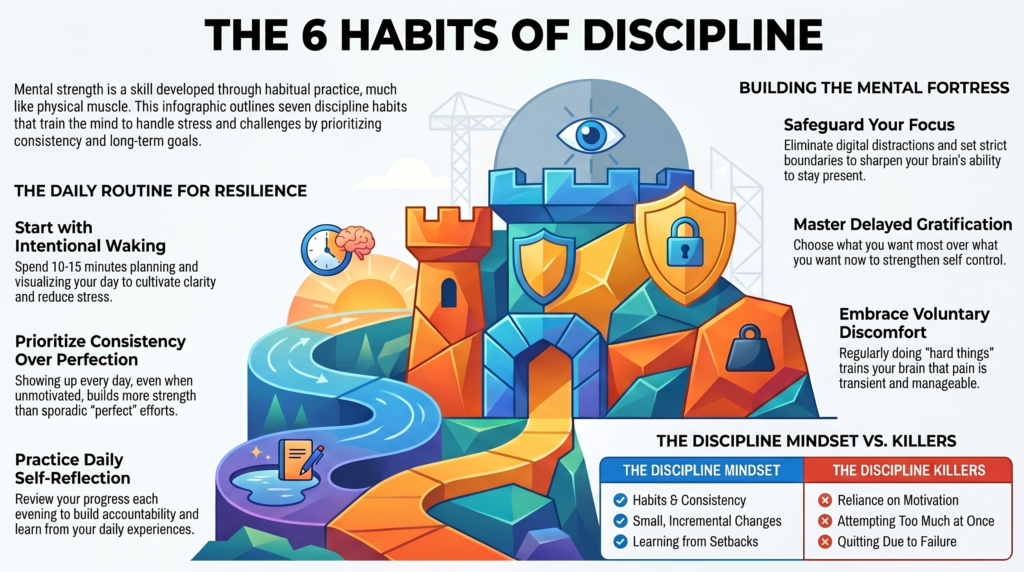
This infographic summarizes the 7 Discipline Habits That Build Mental Strength. It highlights the importance of starting your day with intention, staying consistent, eliminating distractions, and embracing discomfort. Each habit plays a crucial role in developing resilience and focus. The visual also emphasizes the importance of delayed gratification and daily reflection for long-term growth. Together, these habits create a system that strengthens your mindset and improves your ability to handle challenges. By consistently applying these principles, you can transform your thinking, enhance your performance, and build a strong foundation for success in both fitness and life.
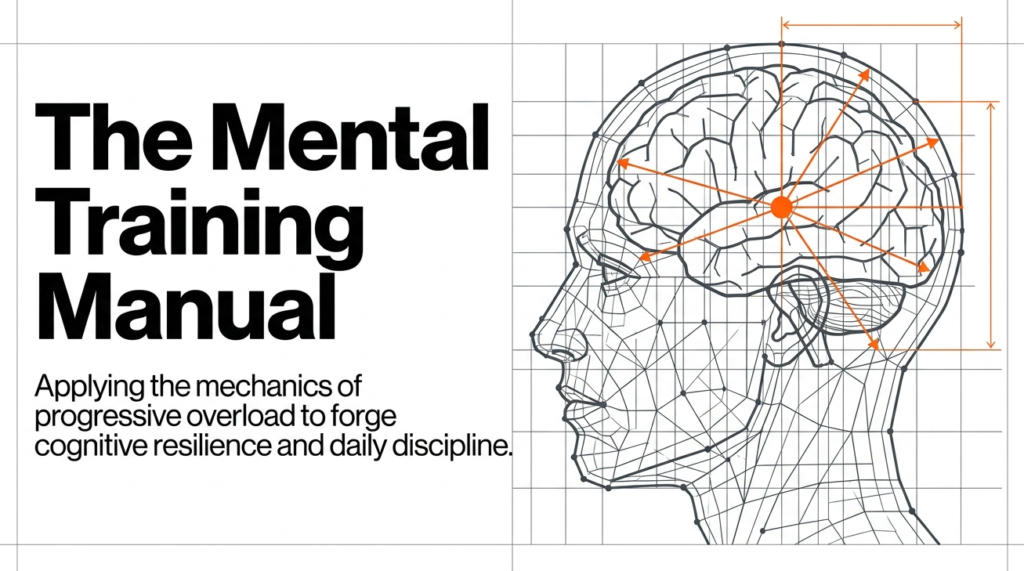
The Mental Training Manual for Discipline and Resilience
Mental strength is not something you are born with; it is built through consistent training and discipline. Just like muscles grow under resistance, the mind develops resilience when exposed to challenges. This visual represents how structured thinking and intentional effort shape cognitive strength over time. By applying principles similar to progressive overload, you can gradually increase your mental capacity to handle stress, pressure, and adversity. Discipline acts as the foundation that keeps your actions aligned with your goals. When you train your mind daily, you build clarity, focus, and emotional control. Over time, this creates a powerful mental framework that supports long-term success and personal growth.
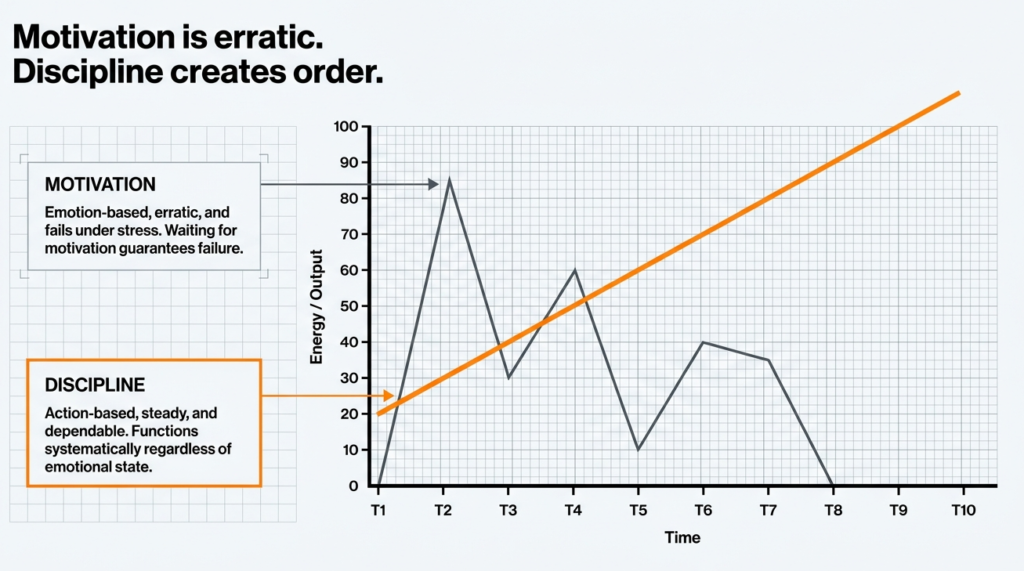
Motivation vs Discipline: Why Consistency Wins
Motivation is often unpredictable, rising and falling based on emotions and circumstances. Discipline, on the other hand, provides stability and consistency regardless of how you feel. This visual clearly shows how relying on motivation leads to inconsistent performance, while discipline creates steady progress over time. When you depend on feelings to act, your results become unreliable. However, when you build systems and habits, your actions become automatic and dependable. Discipline ensures that you continue moving forward even on difficult days. Over time, this consistency compounds into significant growth. The key to long-term success is not waiting for motivation, but building discipline that keeps you progressing no matter what.
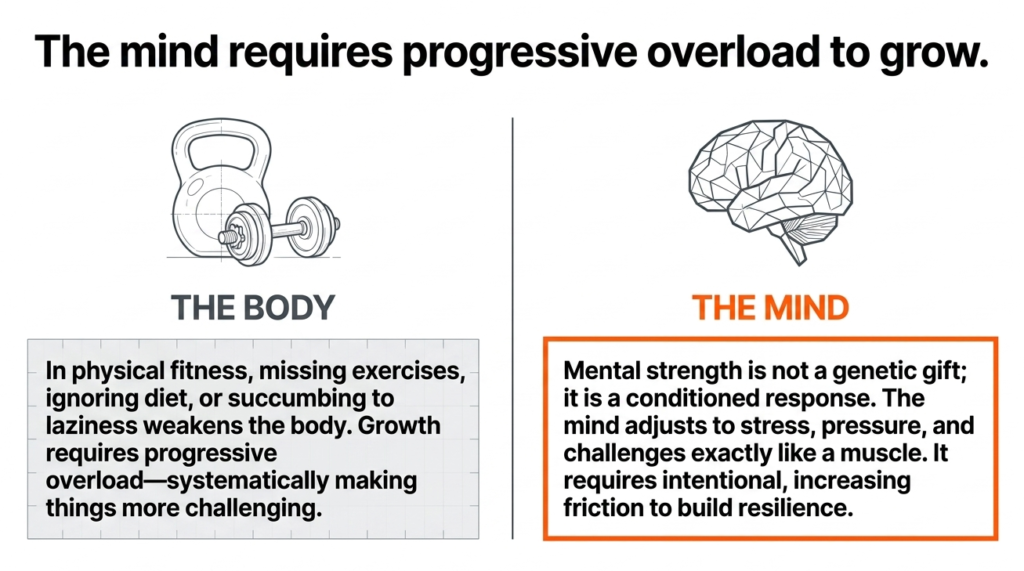
Applying Progressive Overload to Mental Strength
Just like physical training requires progressive overload to build muscle, mental strength requires increasing levels of challenge. This concept highlights how both the body and mind adapt to stress when exposed to consistent and controlled difficulty. Avoiding challenges weakens your mental capacity, while embracing them strengthens resilience. Each time you push beyond your comfort zone, your brain adapts and becomes stronger. Over time, what once felt difficult becomes manageable. This process builds confidence and mental toughness. By intentionally increasing the level of difficulty in your daily tasks, you train your mind to handle pressure more effectively, leading to improved performance in all areas of life.
The Daily Discipline Lifecycle for Mental Strength
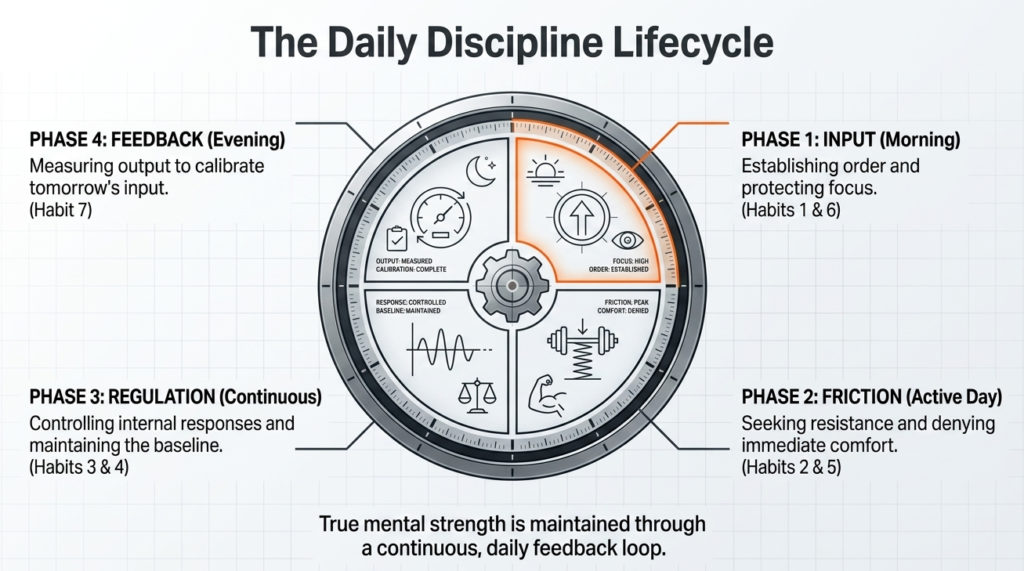
Building mental strength is not a one-time effort but a continuous cycle of disciplined actions. This lifecycle includes four key phases: input, friction, regulation, and feedback. Each phase plays a crucial role in strengthening your mindset. Starting your day with intention sets the foundation, while actively seeking challenges builds resilience. Controlling your internal responses helps maintain stability, and daily reflection ensures continuous improvement. This system creates a feedback loop that reinforces discipline over time. By following this structured approach, you can develop a strong and adaptable mindset. Consistency in this cycle transforms discipline into a natural habit, leading to long-term mental and personal growth.
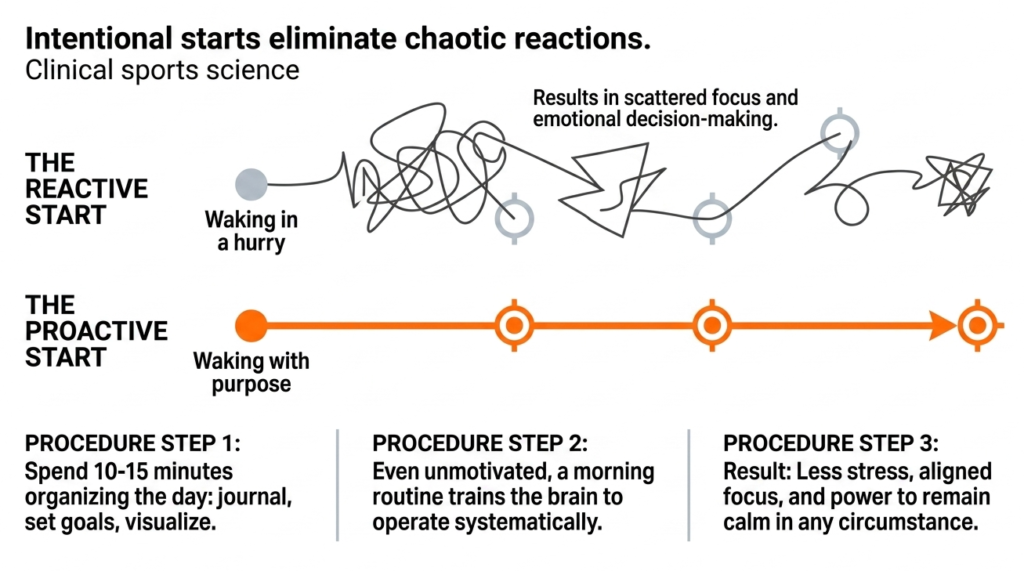
Start Your Day with Purpose and Clarity
The way you start your day has a significant impact on your mental clarity and productivity. A reactive start, where you rush into tasks, often leads to stress and poor decision-making. In contrast, a proactive start allows you to take control of your day. Spending just 10–15 minutes planning, journaling, or visualizing your goals creates a sense of direction and calmness. This habit trains your brain to operate systematically rather than emotionally. Over time, it improves focus, reduces anxiety, and enhances decision-making. A disciplined morning routine sets the tone for the entire day, helping you stay aligned with your goals and maintain control over your actions.
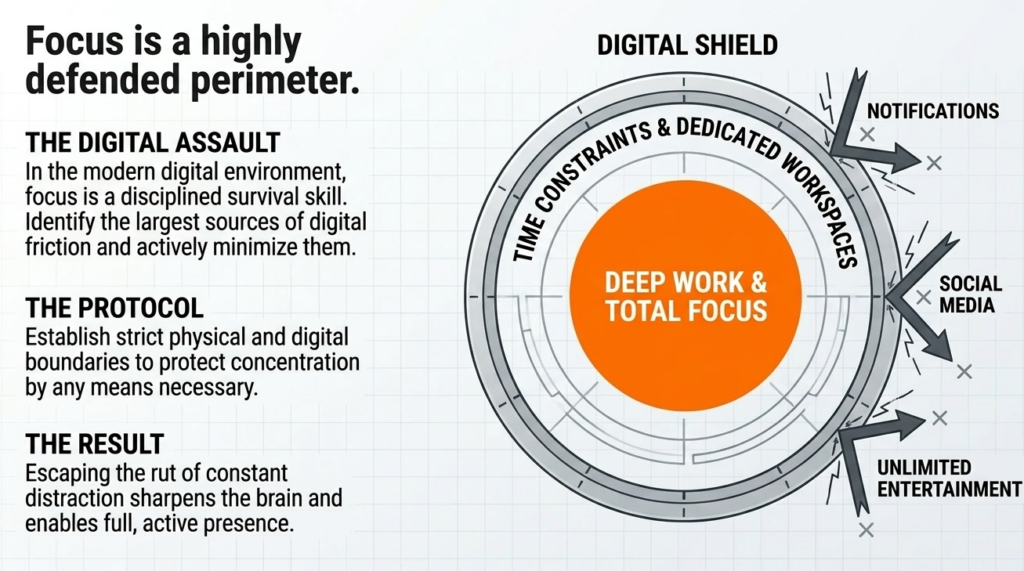
Eliminate Distractions to Achieve Deep Focus
In today’s digital world, distractions are everywhere, making focus a rare and valuable skill. Social media, notifications, and endless entertainment constantly compete for your attention. This visual emphasizes the importance of creating a “digital shield” to protect your focus. By setting boundaries and minimizing distractions, you can create an environment that supports deep work. Focused attention allows you to perform at a higher level and complete tasks more efficiently. Over time, this habit strengthens your ability to stay present and engaged. Eliminating distractions not only improves productivity but also enhances mental clarity, making it easier to achieve your long-term goals.
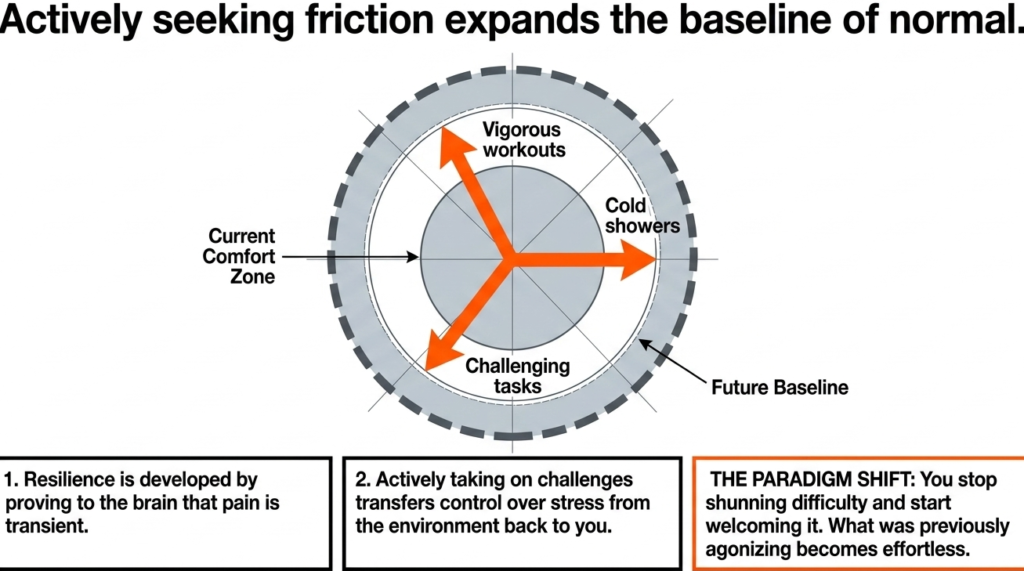
Expand Your Comfort Zone Through Discipline
Your comfort zone may feel safe, but it limits your growth. Mental strength develops when you actively seek challenges and push beyond familiar boundaries. This visual illustrates how activities like intense workouts, cold exposure, and difficult tasks expand your baseline of comfort. Each time you face discomfort, your brain learns that it is manageable and temporary. This builds resilience and confidence over time. Instead of avoiding difficulty, you begin to embrace it as a tool for growth. Expanding your comfort zone consistently leads to greater mental toughness, improved performance, and the ability to handle life’s challenges with strength and composure.
The Power of Delayed Gratification
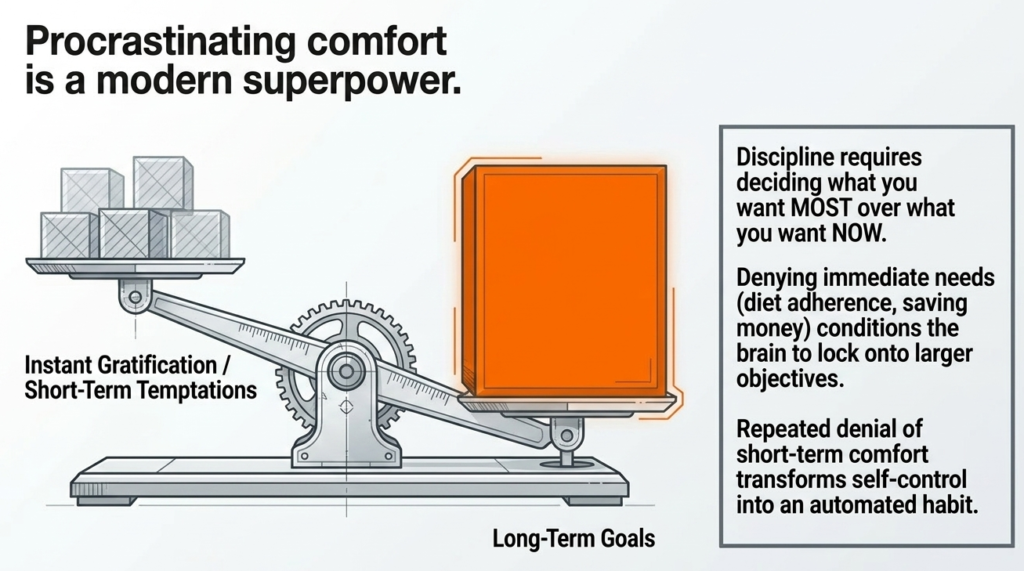
Delayed gratification is one of the most powerful habits for building discipline and mental strength. In a world of instant rewards, the ability to resist short-term temptations sets successful individuals apart. This visual highlights the balance between immediate pleasure and long-term goals. Choosing discipline over comfort strengthens your self-control and keeps you focused on what truly matters. Whether it’s sticking to a diet, saving money, or working toward a goal, delaying gratification builds resilience. Over time, this habit becomes automatic, making it easier to stay committed. Strong self-control leads to better decisions, greater success, and a more disciplined life overall.
Control Your Thoughts to Build Mental Strength
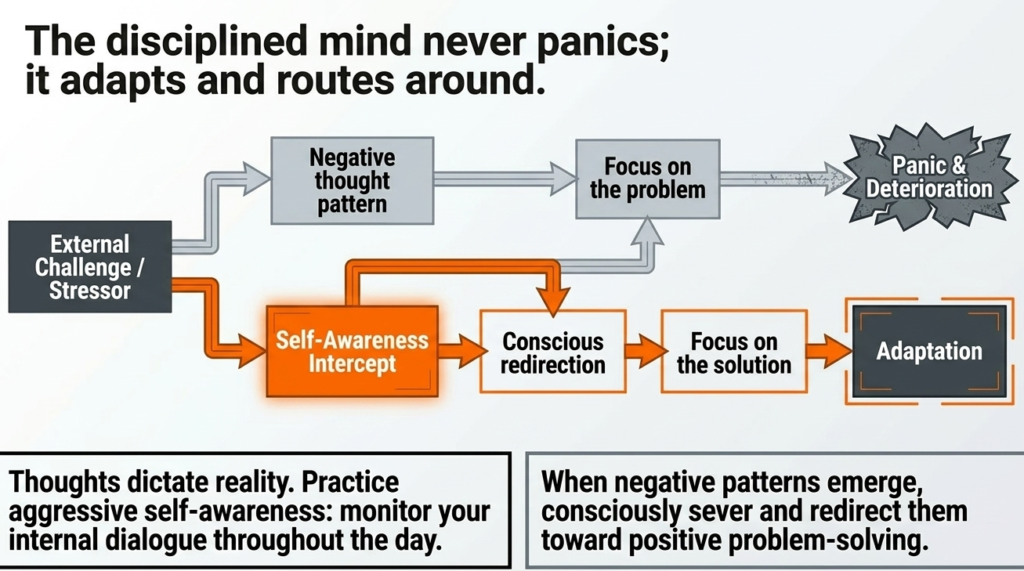
Your thoughts play a crucial role in shaping your reality. Negative thinking patterns can weaken your mindset, while controlled thinking builds resilience. This visual demonstrates how self-awareness allows you to intercept negative thoughts and redirect them toward solutions. Instead of reacting emotionally to challenges, you learn to approach them with logic and clarity. This habit strengthens your ability to stay calm under pressure and make better decisions. Over time, controlling your thoughts becomes second nature. A disciplined mind does not panic; it adapts and finds a way forward. Developing this skill is essential for long-term mental strength and success.
Consistency Beats Perfection Every Time
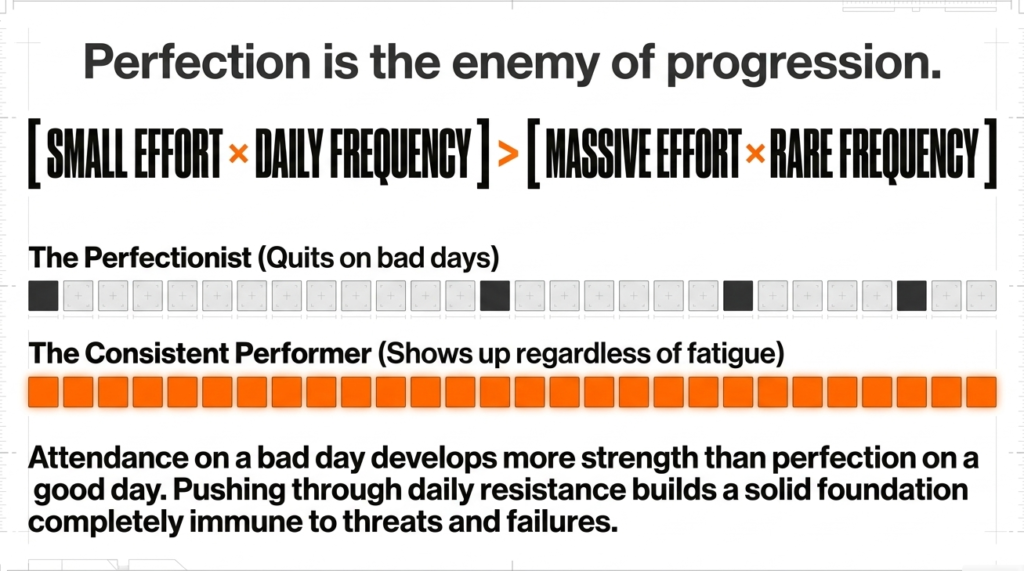
Perfection often leads to inconsistency, while discipline thrives on regular action. This visual highlights the importance of showing up every day, regardless of how you feel. Waiting for the perfect moment or ideal conditions often results in missed opportunities and stagnation. In contrast, consistent effort builds momentum and strengthens your habits. Even on difficult days, taking small steps forward reinforces discipline. Over time, these small actions compound into significant progress. Mental strength is built through persistence, not perfection. By focusing on consistency, you create a strong foundation that supports long-term success and resilience in all areas of life.
Daily Reflection for Continuous Improvement
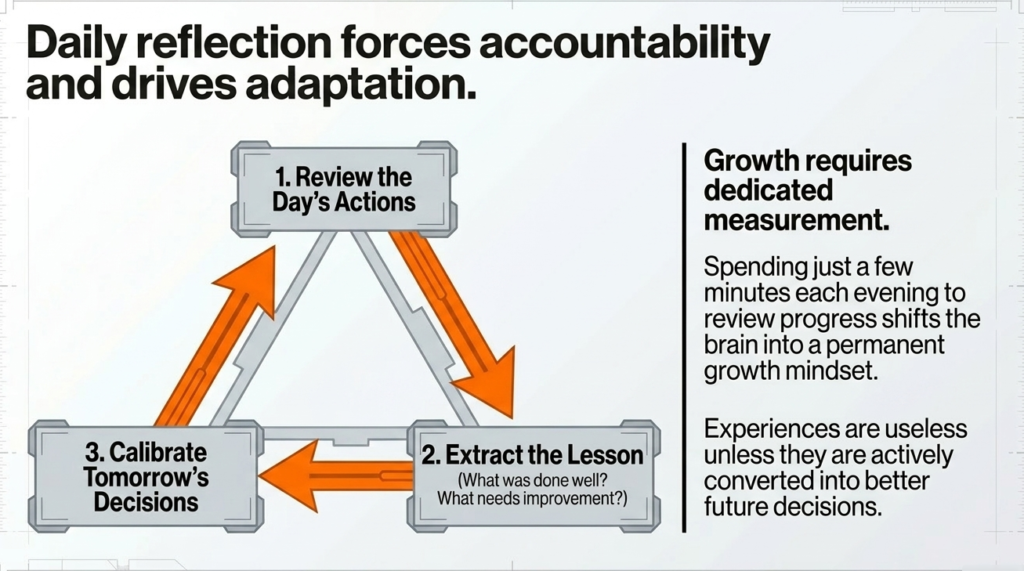
Daily reflection is a powerful tool for building awareness and improving discipline. Taking a few minutes each evening to review your actions helps you understand what worked and what didn’t. This process allows you to extract valuable lessons and apply them to future decisions. Reflection creates accountability and keeps you aligned with your goals. Over time, it develops a growth mindset, where every experience becomes an opportunity to improve. This habit strengthens your ability to adapt and make better choices. Consistent reflection ensures that you are always moving forward, making it an essential practice for long-term mental strength and success.
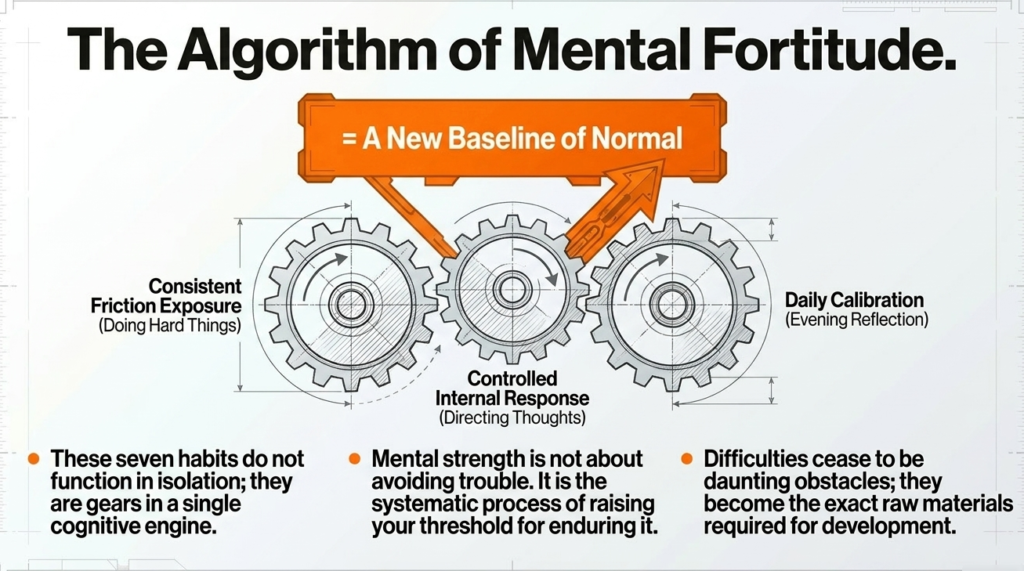
The Algorithm of Mental Fortitude
Mental strength is not built through isolated actions but through a system of interconnected habits. This visual represents how discipline works like a machine, with each habit acting as a gear that drives progress. Consistent exposure to challenges, controlled thinking, and daily reflection all contribute to a stronger mindset. When these habits work together, they create a powerful system that continuously improves your mental resilience. Over time, this system raises your baseline, making challenges easier to handle. Discipline becomes automatic, and growth becomes inevitable. Building this system is the key to developing long-term mental strength and achieving your goals.
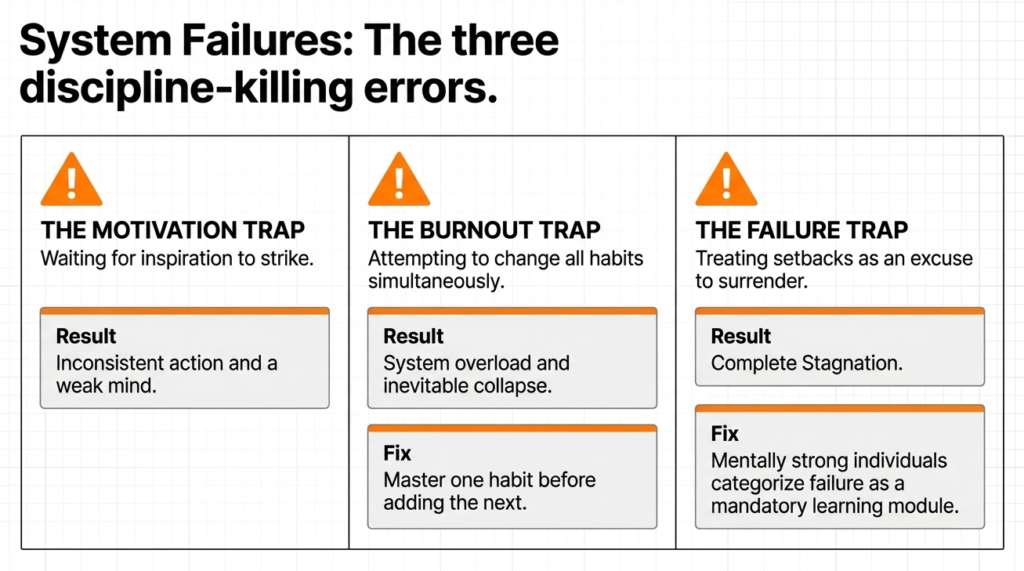
3 Discipline-Killing Mistakes to Avoid
Many people struggle with discipline because they fall into common traps that hinder progress. This visual highlights three major mistakes: relying on motivation, trying to change too much at once, and giving up after failure. Motivation is unreliable and cannot sustain long-term success. Attempting to build multiple habits simultaneously often leads to burnout. Viewing failure as a setback instead of a lesson stops growth. To build discipline, focus on consistency rather than motivation, develop one habit at a time, and learn from mistakes. Avoiding these traps allows you to stay on track and build a strong, resilient mindset over time.
Discipline Shapes Who You Become
The ultimate measure of discipline is not what you do, but who you become. Mental strength is developed through consistent effort and commitment over time. This visual reinforces the idea that discipline is a lifelong journey, not a temporary phase. By practicing disciplined habits daily, you gradually transform your identity into someone who is focused, resilient, and determined. Success is not built on occasional bursts of motivation but on consistent action. Over time, these actions shape your character and define your future. Stay persistent, remain focused, and keep pushing forward. True mental strength comes from the habits you practice every single day.
Read more: https://time.com/4226415/daily-habit-increase-mental-strength/

Gearless Physique
Physique Without Gear
Your transformation starts now. Who's with me?