Table of Contents
Toggle6 Ways to Increase Workout Intensity Without Overtraining
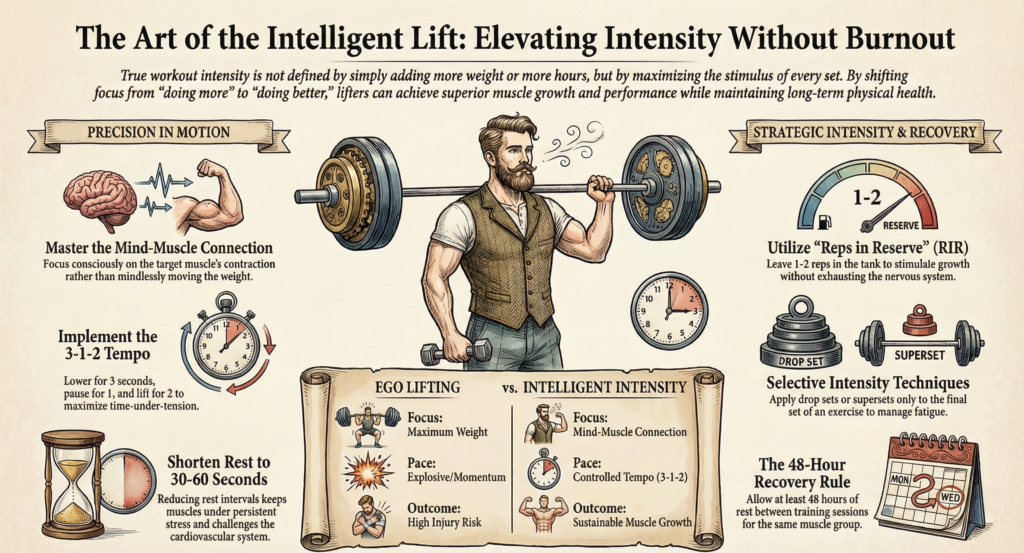
This infographic summarizes the complete system of increasing workout intensity without overtraining. It combines key principles such as mind-muscle connection, tempo control, rest management, reps in reserve, intensity techniques, and recovery. Each element works together to create a balanced and effective training approach. Instead of relying on extreme effort, this system focuses on precision and efficiency. It helps lifters break plateaus, improve performance, and build muscle sustainably. By following these strategies, you can maximize results while minimizing fatigue and injury risk. This holistic approach ensures long-term consistency, making it ideal for natural lifters who prioritize health, performance, and aesthetic development without compromising recovery.
Intelligent Intensity Training Concept
This image represents the concept of intelligent intensity, where training is controlled like adjusting a precise dial rather than blindly increasing effort. Most lifters believe that pushing harder automatically leads to better results, but this often causes fatigue and burnout. True intensity lies in optimizing every rep, maintaining control, and maximizing muscle engagement. By focusing on execution rather than just weight, you create a stronger stimulus without overloading your recovery capacity. This approach is especially important for natural lifters who rely on efficiency rather than extreme volume. Intelligent intensity ensures consistent progress, reduces injury risk, and allows sustainable long-term muscle growth without falling into the trap of overtraining.
Working Hard vs Working Smart in Training
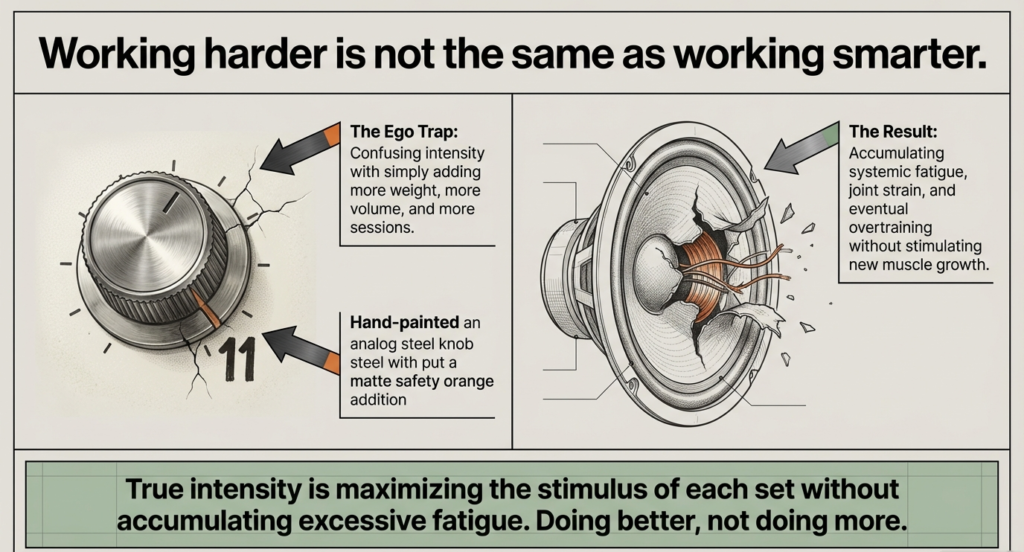
This visual highlights the difference between working harder and working smarter in the gym. Many lifters fall into the ego trap, believing that adding more weight, volume, or sessions automatically leads to progress. However, this approach often results in joint strain, systemic fatigue, and minimal muscle growth. Smart training focuses on maximizing stimulus while minimizing unnecessary fatigue. Instead of chasing exhaustion, you prioritize controlled movements, proper technique, and efficient programming. This ensures your muscles do the work rather than relying on momentum. Over time, this approach leads to better hypertrophy, improved recovery, and consistent performance gains. The goal is not to do more, but to do better in every workout.
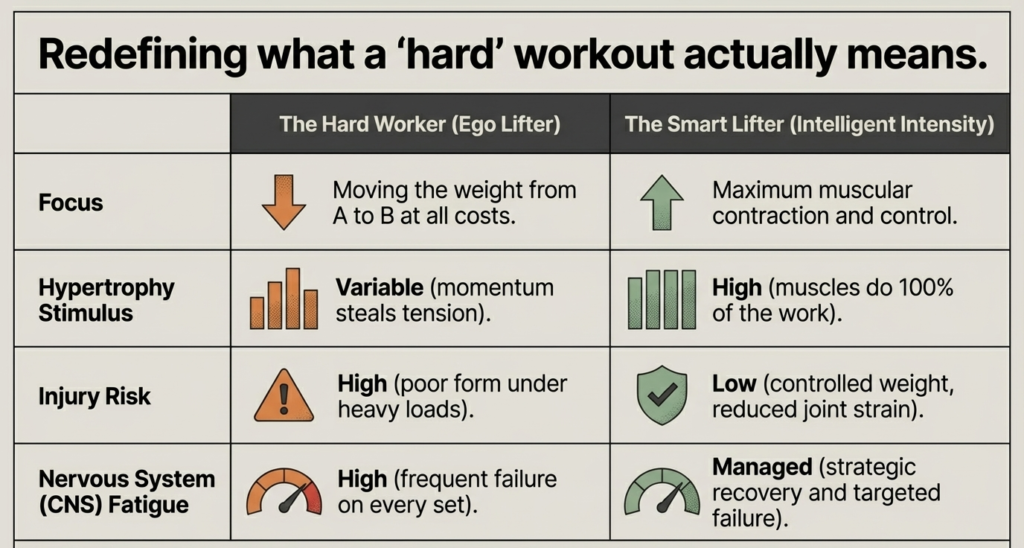
Ego Lifter vs Intelligent Lifter Comparison
This comparison clearly shows the difference between ego lifters and intelligent lifters. Ego lifters focus on moving weights from point A to B at any cost, often sacrificing form and increasing injury risk. Their hypertrophy stimulus becomes inconsistent due to excessive momentum and poor control. In contrast, intelligent lifters emphasize muscle contraction, controlled execution, and proper technique. This leads to higher muscle activation and safer training. Additionally, they manage nervous system fatigue by avoiding unnecessary failure in every set. This balanced approach ensures long-term progress and sustainability. By shifting focus from weight to quality execution, lifters can build muscle more efficiently while reducing strain on joints and avoiding burnout.
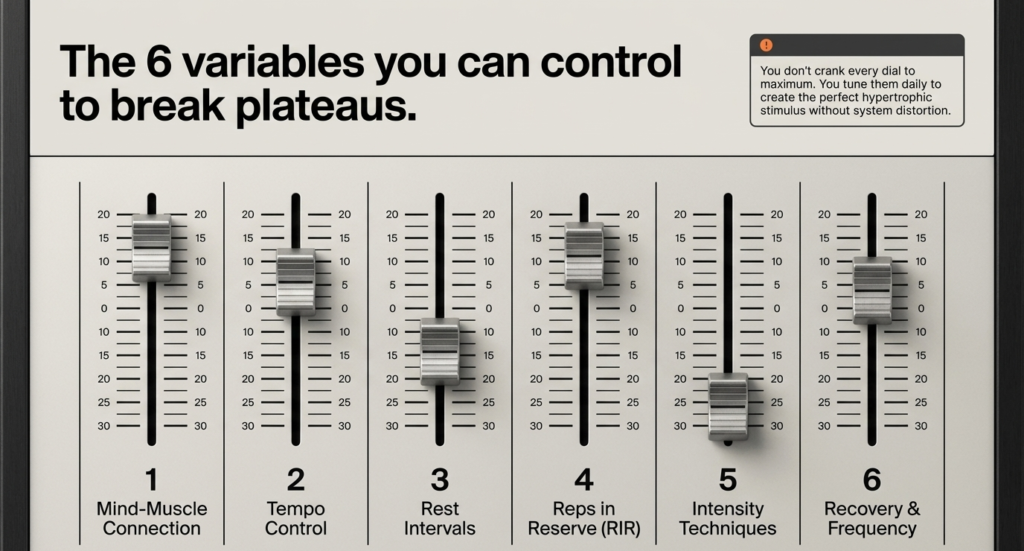
6 Workout Intensity Variables Explained
This image outlines the six key variables that determine workout intensity: mind-muscle connection, tempo, rest intervals, reps in reserve, intensity techniques, and recovery. Instead of increasing weight blindly, adjusting these variables allows you to fine-tune your training. Each factor plays a crucial role in maximizing muscle stimulation while controlling fatigue. For example, slower tempo increases time under tension, while shorter rest periods enhance training density. Reps in reserve help manage effort levels, preventing burnout. By combining these variables strategically, you can break plateaus without compromising recovery. This approach transforms training into a precise system rather than random effort, helping you achieve consistent muscle growth and performance improvements over time.
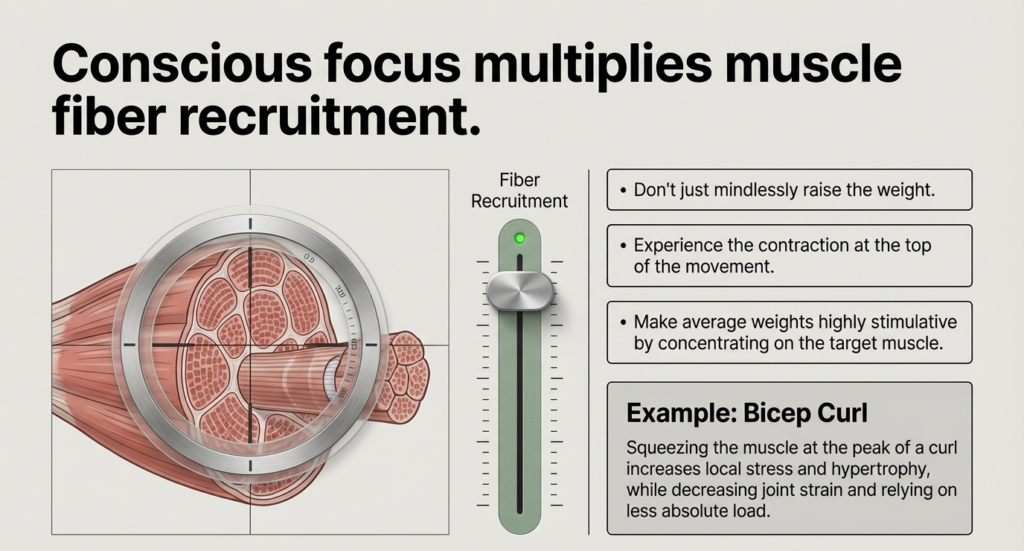
Mind Muscle Connection for Better Growth
This image demonstrates how conscious focus enhances muscle fiber recruitment during training. Instead of lifting weights mindlessly, focusing on the target muscle increases activation and efficiency. When you actively think about contracting the muscle, you engage more fibers, leading to better hypertrophy without increasing load. For example, squeezing the biceps at the top of a curl creates more tension and improves results. This technique also reduces reliance on momentum, making workouts safer and more effective. Mind-muscle connection is especially valuable for natural lifters, as it maximizes output from moderate weights. Over time, this habit significantly improves training quality and ensures every rep contributes to muscle growth.
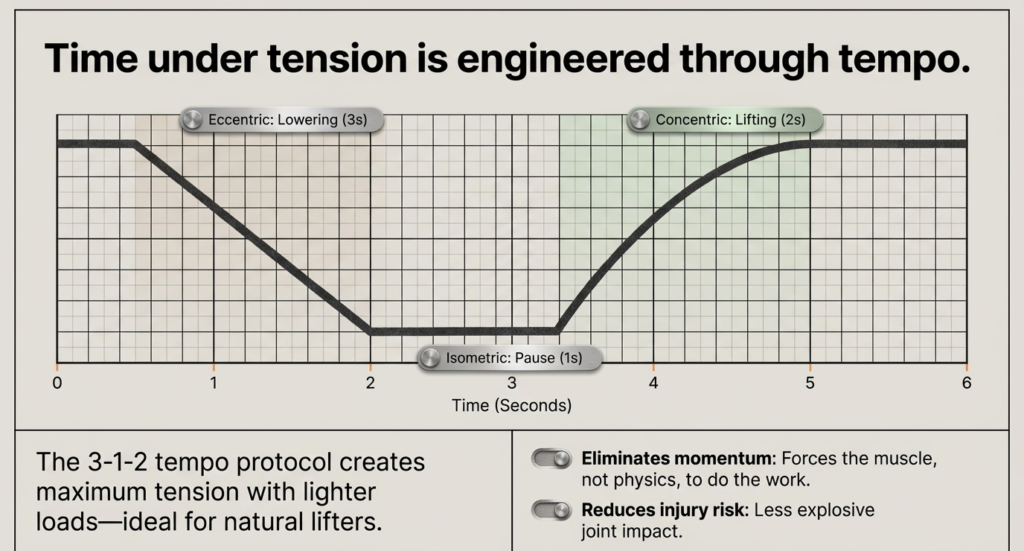
Tempo Training for Maximum Tension
This image explains how tempo training enhances workout intensity by increasing time under tension. The 3-1-2 tempo method involves lowering the weight for three seconds, pausing for one second, and lifting for two seconds. This controlled approach eliminates momentum and forces muscles to work harder throughout the movement. It improves form, increases muscle activation, and reduces injury risk. Unlike explosive lifting, tempo training ensures consistent tension, which is essential for hypertrophy. It also allows you to use lighter weights while still achieving high intensity. By slowing down each rep, you transform ordinary sets into highly effective muscle-building sessions without placing excessive stress on joints or the nervous system.
Rest-Time and Training Intensity
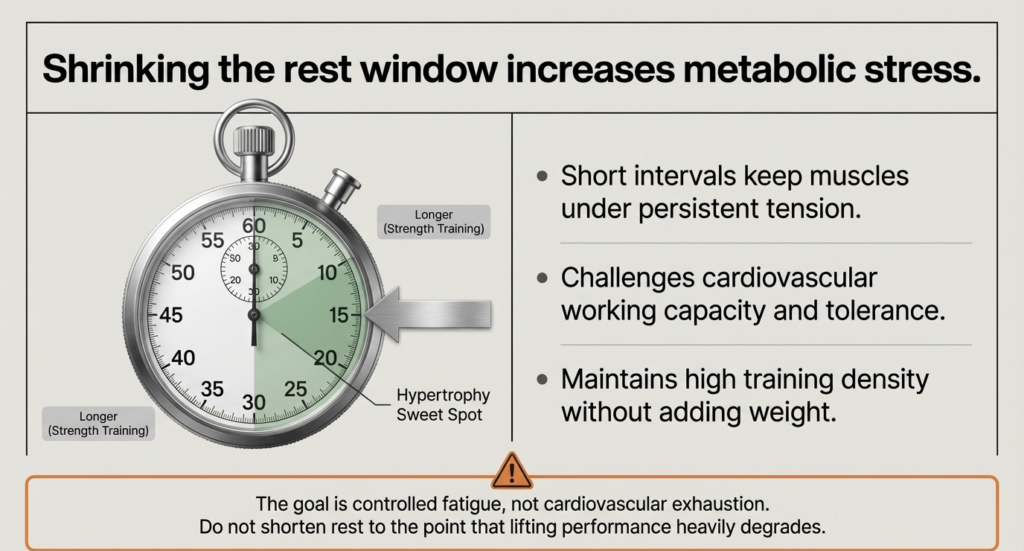
This image highlights the importance of rest intervals in controlling workout intensity. Reducing rest time keeps muscles under continuous tension and increases metabolic stress, which plays a key role in muscle growth. Short rest periods, typically between 30 to 60 seconds, also challenge cardiovascular endurance and improve overall work capacity. However, rest should not be reduced excessively, as it can negatively impact performance. The goal is to create controlled fatigue while maintaining proper form and strength. By adjusting rest intervals strategically, you can increase training density without adding more weight or volume. This makes your workouts more efficient and helps stimulate muscle growth effectively without risking overtraining.
Reps in Reserve Training Strategy
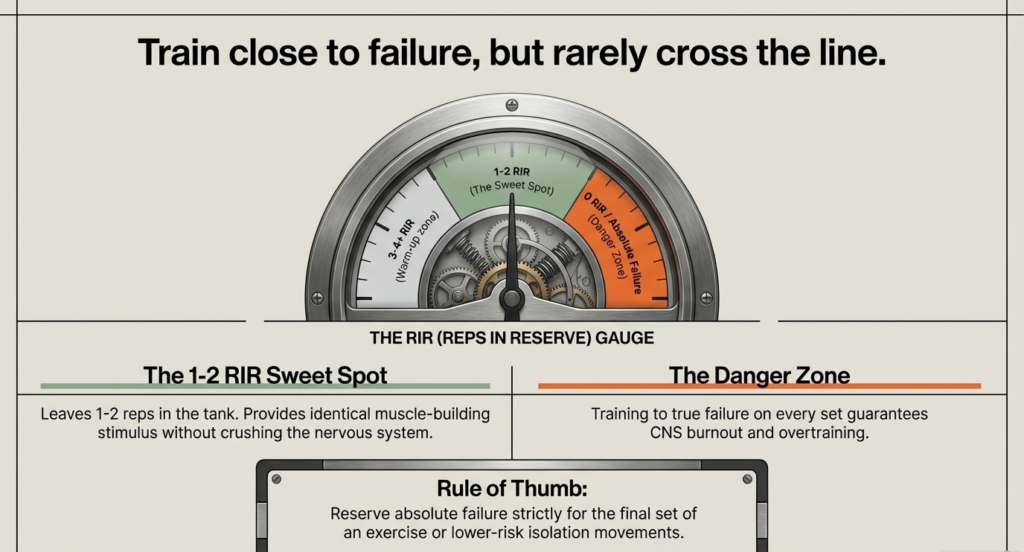
This image explains the concept of Reps in Reserve (RIR), a key strategy for managing workout intensity. Instead of training to failure in every set, leaving one to two reps in the tank provides nearly the same muscle-building stimulus while reducing fatigue. Training to failure too often can overload the nervous system and hinder recovery. By staying within the optimal RIR range, you maintain high intensity without compromising performance in later sets. This approach allows consistent progress and better recovery. True failure can still be used strategically in the final set or isolation exercises. Overall, RIR helps balance effort and recovery, making your training both effective and sustainable.
Intensity Techniques for Advanced Training
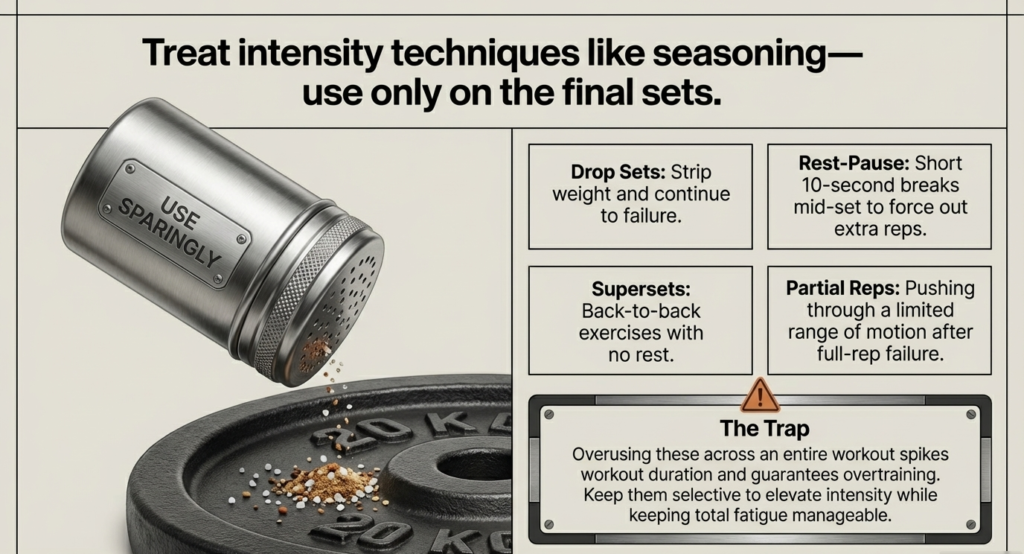
This image showcases advanced intensity techniques such as drop sets, rest-pause, supersets, and partial reps. These methods can significantly increase workout intensity by pushing muscles beyond normal limits. However, they must be used strategically to avoid excessive fatigue. Applying these techniques only in the final set of an exercise ensures maximum benefit without overtraining. For example, drop sets extend a set by reducing weight and continuing reps, while rest-pause allows short breaks to push out extra repetitions. When used correctly, these techniques enhance muscle stimulation and efficiency. Overusing them, however, can lead to burnout. The key is to treat them like seasoning—effective in small amounts, but harmful when overdone.
Importance of Recovery in Training
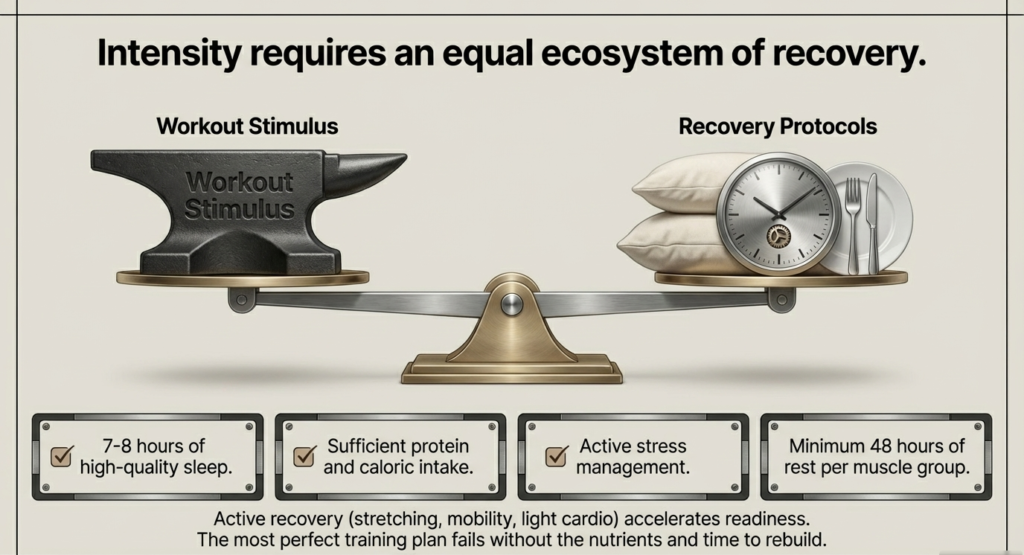
This image illustrates the balance between workout intensity and recovery. Training hard without proper recovery leads to fatigue, injury, and stalled progress. Recovery includes quality sleep, proper nutrition, stress management, and adequate rest between sessions. Muscles grow during recovery, not during workouts, making it a critical part of any program. Ensuring at least 48 hours of rest for each muscle group allows proper repair and adaptation. Active recovery methods like stretching and light cardio further enhance readiness. When recovery is optimized, you can train with higher intensity and better performance. Ignoring recovery disrupts this balance and limits results, highlighting its importance in achieving long-term fitness goals.
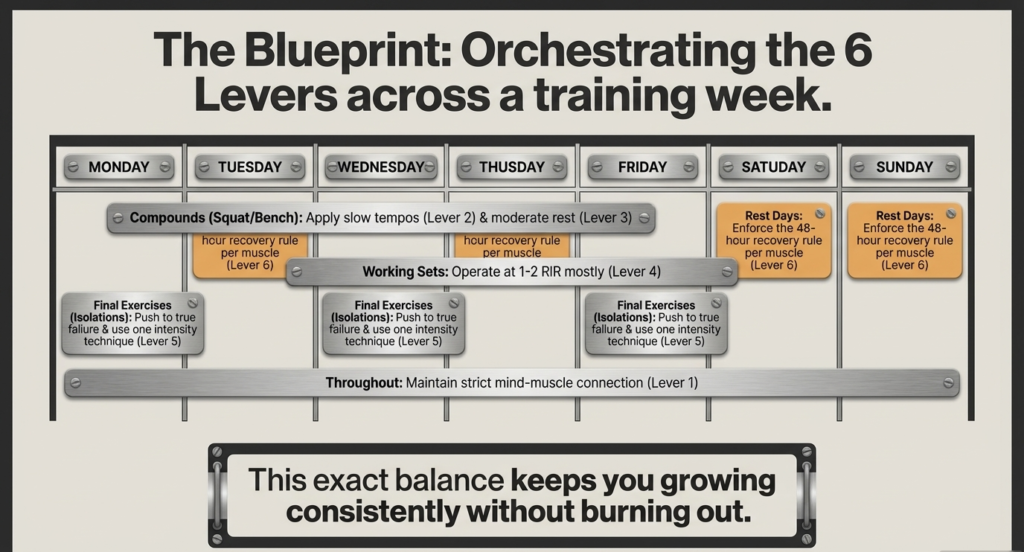
Weekly Training Intensity Blueprint
This image presents a structured weekly plan for managing workout intensity effectively. By distributing intensity techniques, rest, and recovery across the week, you can maximize results while avoiding burnout. Compound movements are performed with controlled tempo and moderate rest, while isolation exercises can include higher intensity techniques. Maintaining 1–2 reps in reserve during most sets helps regulate fatigue. Rest days are strategically placed to allow full recovery. This organized approach ensures that each training session contributes to progress without overwhelming the body. Planning intensity throughout the week prevents overtraining and keeps performance consistent. It transforms random workouts into a systematic strategy for sustainable muscle growth.
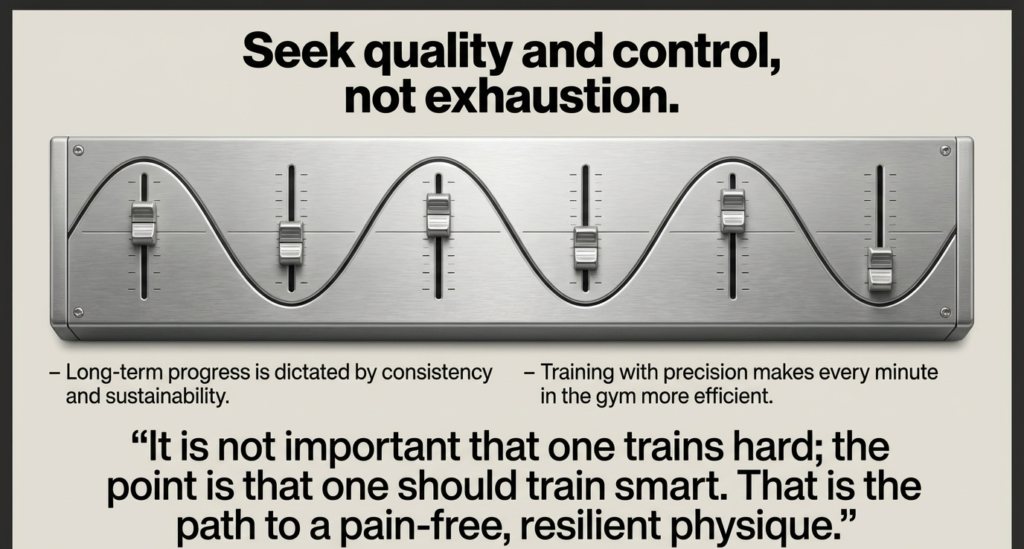
Train Smart Not Just Hard
This image reinforces the idea that training smart is more important than simply training hard. Many people chase exhaustion, believing it equals progress, but this often leads to burnout and injuries. Smart training focuses on quality, precision, and consistency. By controlling intensity, managing fatigue, and prioritizing recovery, you achieve better long-term results. Sustainable training allows you to stay consistent, which is the true key to progress. Instead of pushing to the limit every session, you aim for efficient and effective workouts. This mindset shift helps build a strong, resilient physique while reducing unnecessary stress on the body. Ultimately, intelligent training ensures continuous improvement without sacrificing health or performance.

Gearless Physique
Physique Without Gear
Your transformation starts now. Who's with me?