Table of Contents
Toggle6 Fat Loss Secrets That Decide How Fast You Burn Fat
Fat loss speed secrets is determined by multiple interconnected factors, not just diet or exercise alone. The key drivers include maintaining a moderate calorie deficit, optimizing metabolism, preserving muscle mass through strength training, balancing hormones, staying active with daily movement (NEAT), and maintaining long-term consistency. Extreme dieting and excessive cardio can slow progress by causing muscle loss and metabolic slowdown. Instead, a smart, sustainable approach works best.
When all six factors are aligned, fat loss becomes faster, more efficient, and easier to maintain. Focusing on long-term habits rather than quick fixes ensures better results, improved body composition, and lasting transformation without burnout or regain.
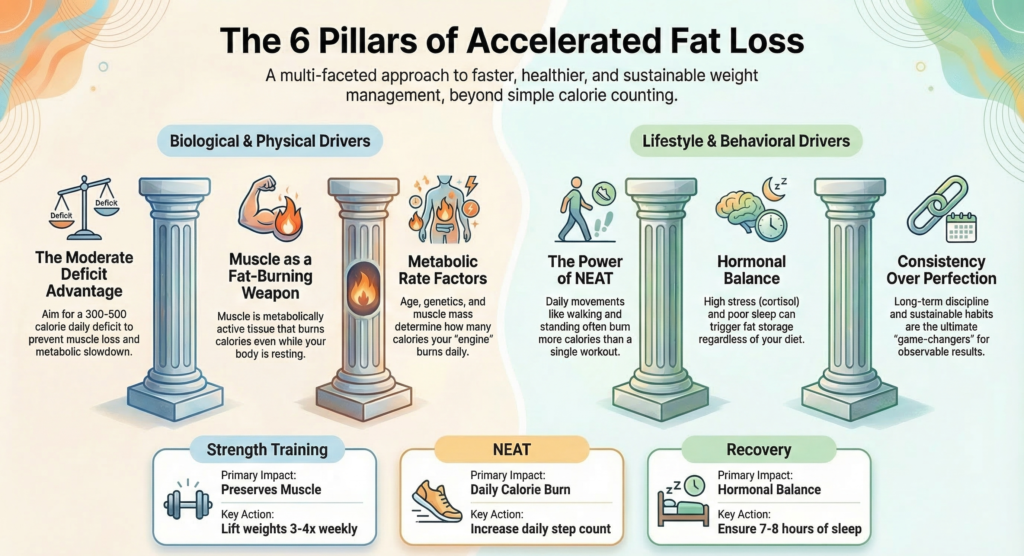
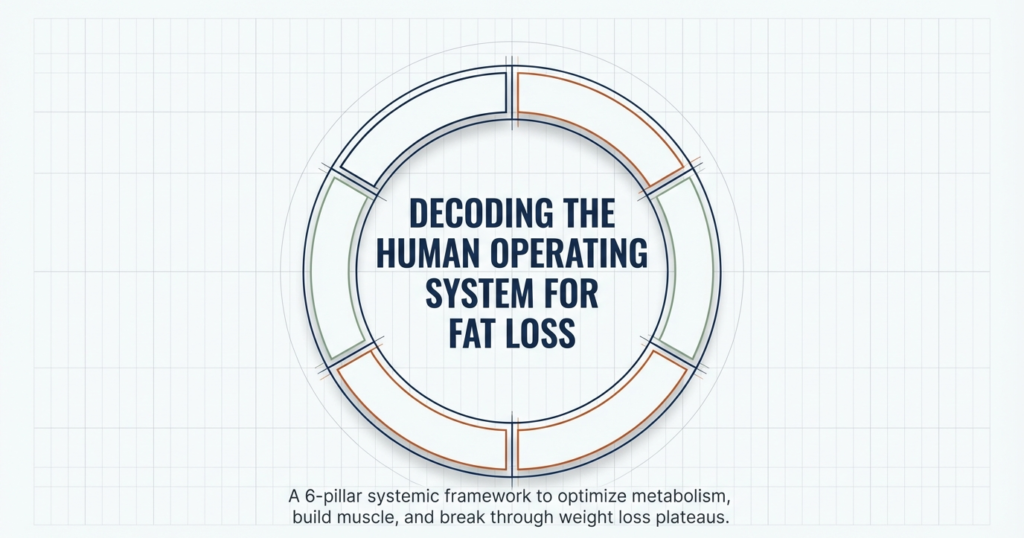
6 Factor Fat Loss System
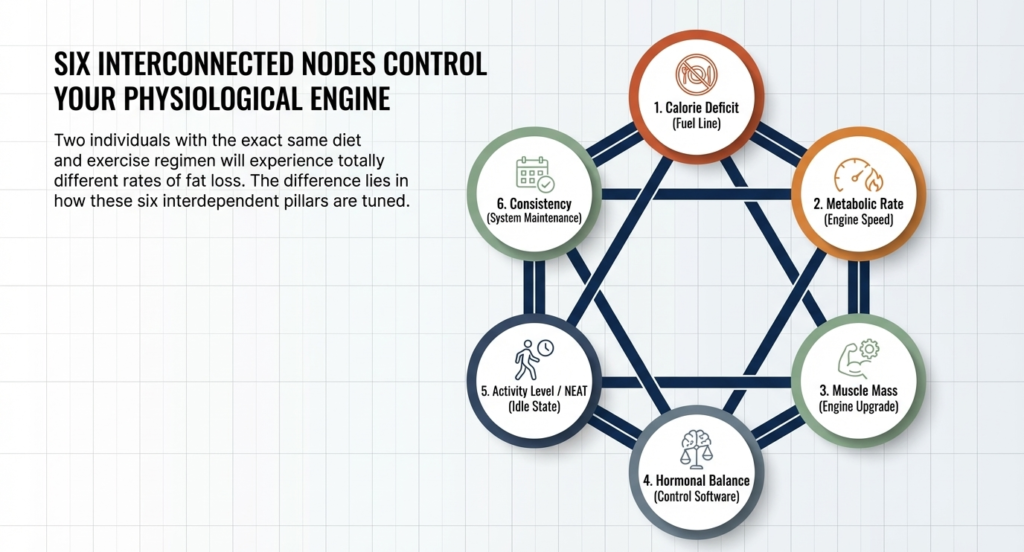
Fat loss is not a single action but a coordinated system of multiple factors working together. This diagram highlights the six key pillars—calorie deficit, metabolism, muscle mass, hormonal balance, activity level, and consistency. When these elements are aligned, fat loss becomes efficient and sustainable. Ignoring even one factor can slow progress significantly. Instead of chasing shortcuts, focus on optimizing all six areas. This systemic approach ensures not only faster fat loss but also long-term results without burnout or muscle loss.
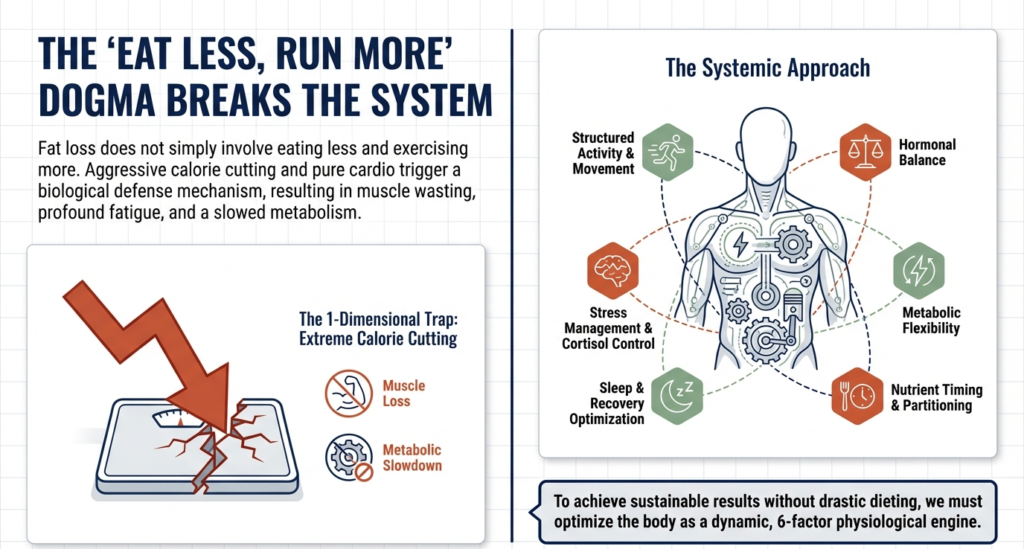
Why Eat Less Run More Fails for Fat Loss
The traditional “eat less, run more” approach often fails because it ignores how the body adapts. Extreme calorie restriction and excessive cardio can lead to muscle loss, fatigue, and a slower metabolism. Instead of accelerating fat loss, this strategy can backfire and make progress harder over time. A smarter approach focuses on balance—moderate calorie deficits, strength training, and proper recovery. Sustainable fat loss requires working with your body, not against it, by supporting metabolism and preserving muscle.
6 Interconnected Fat Loss Factors That Control Results
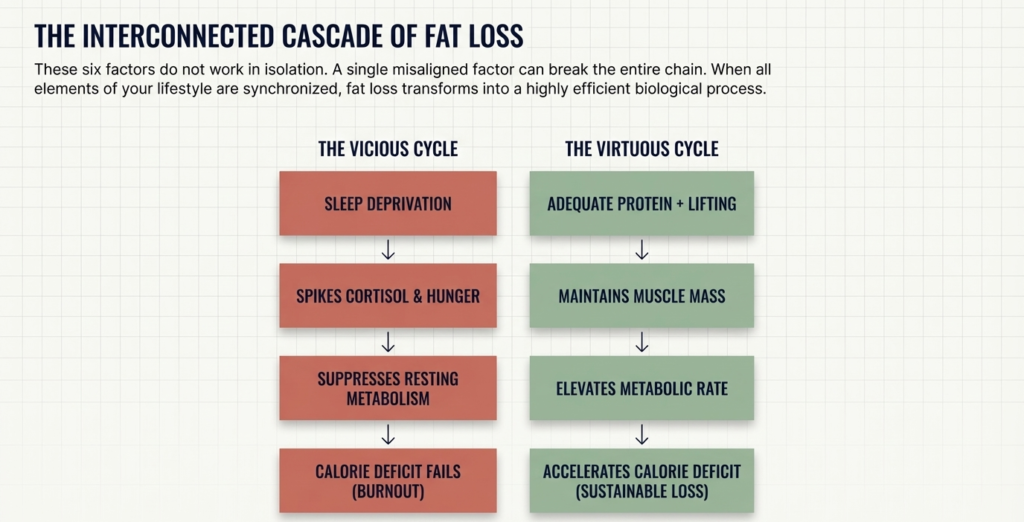
Fat loss speed secrets depends on how well multiple factors interact with each other. This image shows how calorie deficit, metabolism, muscle mass, hormones, activity, and consistency are interconnected. If one factor is misaligned, it can disrupt the entire system. For example, poor sleep affects hormones, which can reduce metabolism and increase fat storage. When all six factors are optimized together, fat loss becomes faster and more efficient. This interconnected approach is the key to breaking plateaus and achieving consistent progress.
1: The Foundation of Fat Loss (Calorie Deficit)
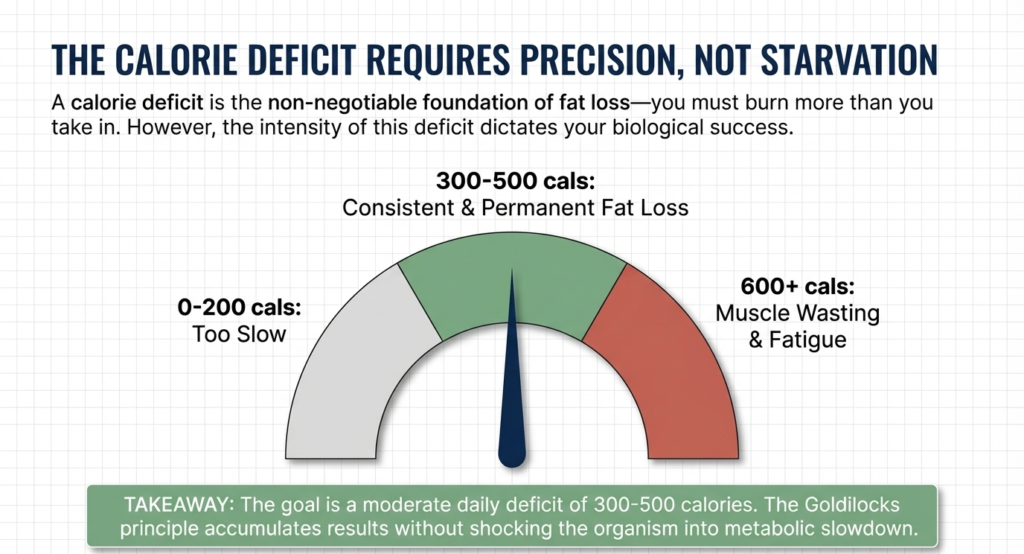
There is only one principle of fat loss and that is a deficit of calories. This is an indication that you are burning more calories than you are taking. Yet, the intensity of the deficit has a direct effect on the rate of fat loss.
The moderate deficit (300-500 calories/day) results in consistent and permanent fat loss. Increased deficit can accelerate the process but leads to muscle wasting, fatigue and slowing down of metabolism. The trick is to be balanced, not too slow to realize improvement but not too vigorous as to be detrimental to your organism. It is more about consistency than perfection. Even the slightest daily deficits accumulate and lead to the observable fat loss effects.
2: Metabolic Rate (Speed of your Body Engine)
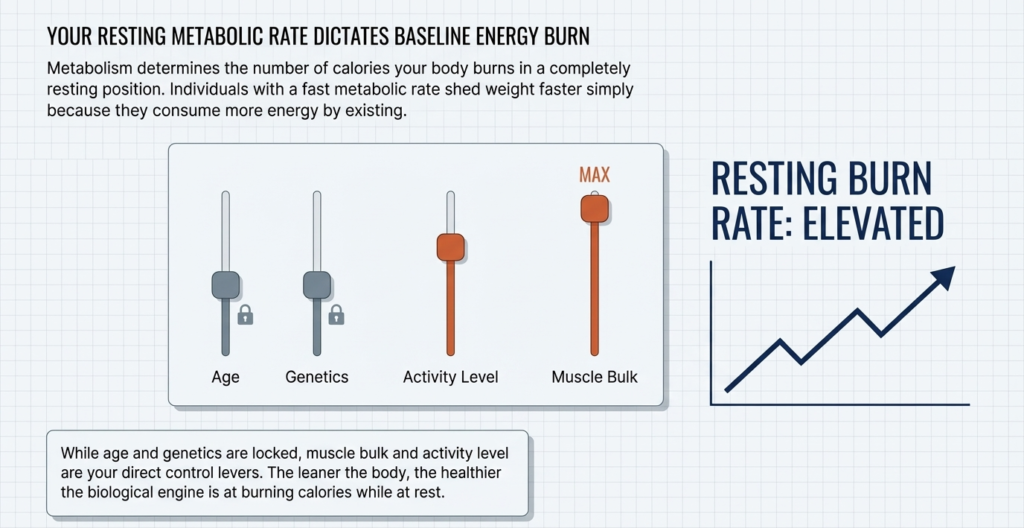
The number of calories your body burns in the resting position depends on the metabolism. Individuals that have a fast metabolic rate automatically shed off weight faster in that they consume more calories in the course of the day.
Age, muscle bulk, genetic composition, and activity level are factors that affect metabolism. When you grow older or lose muscle, your metabolism becomes slow. It is the reason why strength training is important in the process of fat loss.
The leaner the body, the healthier the body is in terms of burning calories even when not exercising. One of the most effective mechanisms of speeding up the process of fat burning is by enhancing your metabolic rate.
3: Your Fat-Burning Weapon (Muscle Mass)
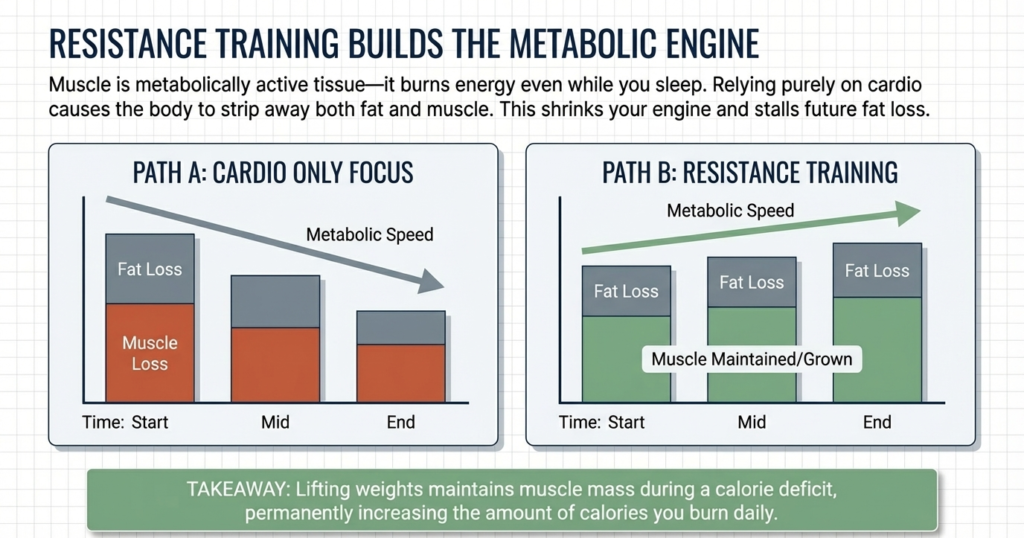
Muscle is a metabolically active tissue, that is, it burns even during rest. The fatter you are the easier it is to lose the weight. When individuals concentrate on cardio and fail to train their muscles, they tend to lose body fat and body muscles. This slows down the metabolism and fat loss becomes difficult with time. Resistance training is the most important in order to maximize the speed of fat loss. Weight lifting maintains muscle whereas dieting and even develops new muscle in novices. The more the muscle the more calories are burned, the better the body composition and fat loss.
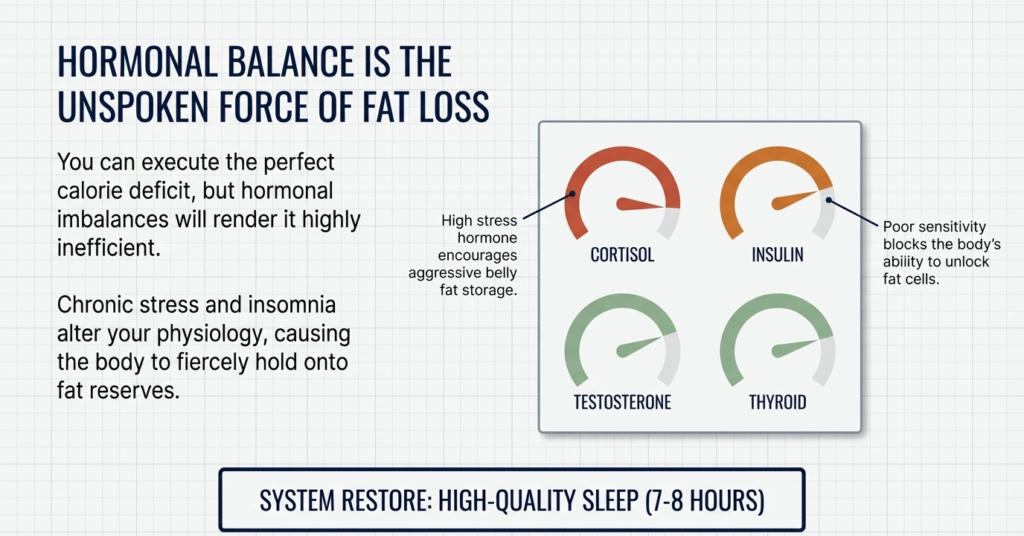
4: Hormonal Balance (The Unspoken Force)
The speed of fat loss is gigantic in terms of hormones. Hormonal imbalances may cause a sluggish diet though your diet might be perfect. Insomnia, cortisol, testosterone, and thyroid hormones are some of the major hormones in the process of fat loss. The presence of high cortisol (stress hormone) may encourage the storage of fat in particular the belly. Lack of sensitivity to insulin may complicate the role of your body in burning fat.
Hormonal balance is essential in sleep, stress and good nutrition. Your optimization of hormones means that your body will be more efficient in terms of burning fat. This is one of the most significant factors that people are unable to achieve success even after working so hard.
5: Activity Level (Matters in Daily Movements)
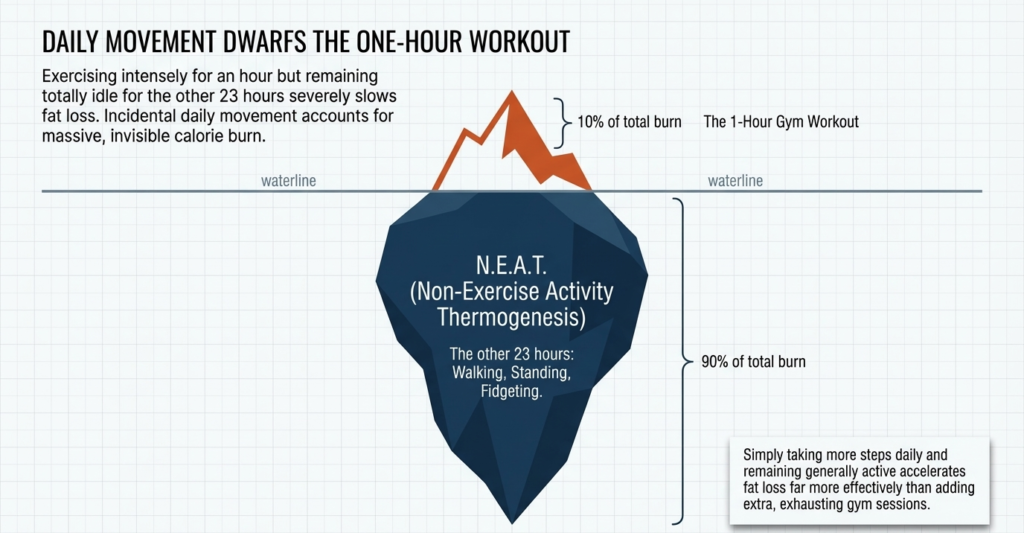
Working out is essential, however, the amount of activity you have each day is more crucial. This involves any movement during the day such as walking, standing and even minor movements such as fidgeting. This is referred to as NEAT (Non-Exercise Activity Thermogenesis). Individuals who have higher NEAT consume a lot of calories without knowing.
When you are exercising no more than an hour but you are spending the rest of your day idle, then your fat loss will be slowed down. Taking more steps each day, exercising and not sitting long distances can tremendously increase fat loss rates. Walking more sometimes is more of a difference than the extra workouts.
6: Consistency and Adherence (The Real Game-Changer)
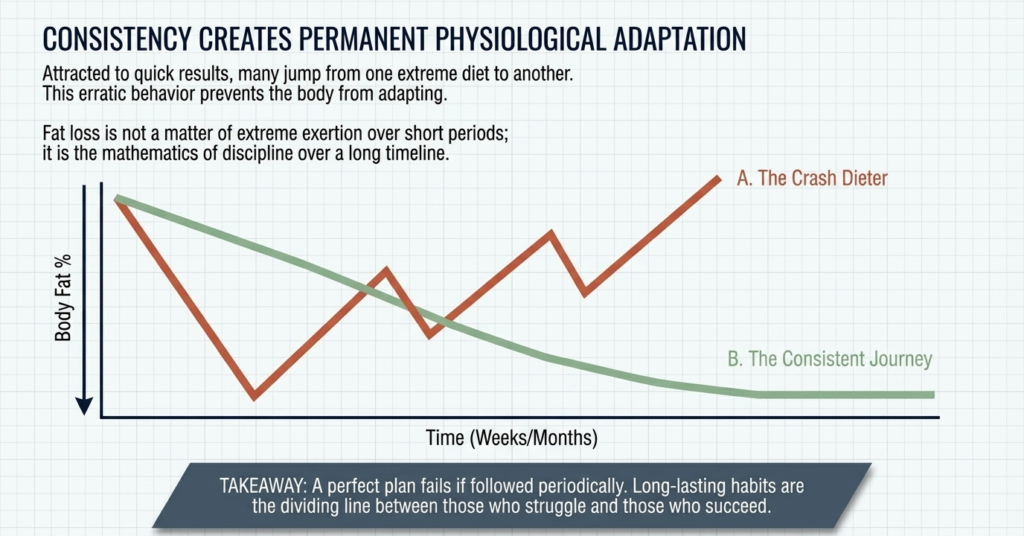
The most appropriate fat loss program is that which you can follow. Being attracted to quick results, many people switch one diet to another, causing everything to slow down due to inconsistency. Losing weight is not a matter of exerting efforts over short periods of time, but a matter of discipline over a long period. A perfect plan will not work even when followed periodically.
The development of positive relationships will guarantee gradual improvement through the creation of long-lasting habits such as physical exercise, healthy eating, and sleep. These little steps that are taken on a daily basis can result in great fat loss; this would be done over weeks and months. This is what defines the difference between successful and struggling people, and this is consistency.
Fat Loss Vicious Cycle vs Virtuous Cycle
Fat loss is influenced by daily habits that create either a positive or negative cycle. Poor sleep and stress can increase hunger, reduce metabolism, and lead to burnout. On the other hand, proper nutrition, strength training, and recovery create a virtuous cycle that supports fat loss. These small habits compound over time, either accelerating progress or slowing it down. Understanding this cycle helps you make smarter choices that align with long-term fat loss success.
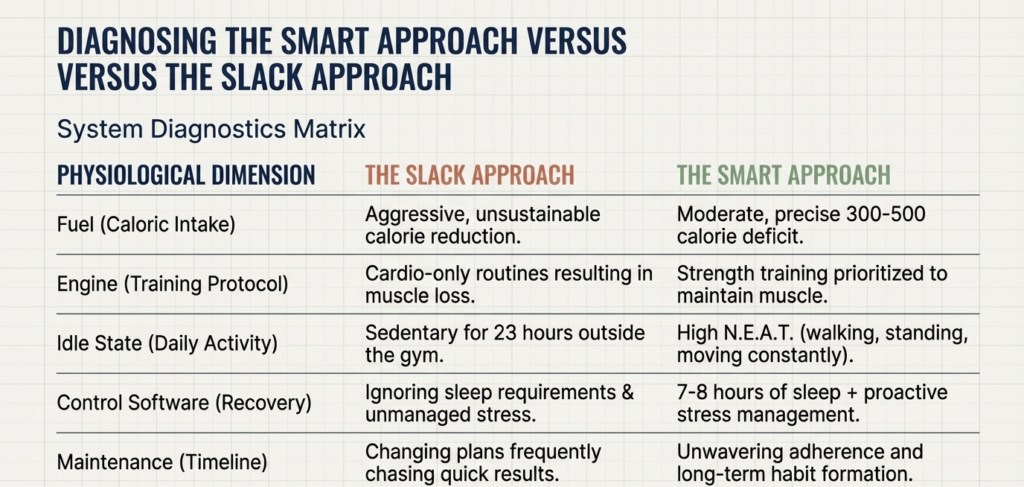
Smart vs Slack Fat Loss Approach Comparison
This comparison highlights the difference between a smart and a slack fat loss approach. The slack approach relies on extreme dieting, excessive cardio, and inconsistency, which often leads to poor results. In contrast, the smart approach focuses on moderate calorie deficits, strength training, daily activity, proper recovery, and long-term consistency. Choosing the right strategy determines how fast and sustainably you lose fat. A structured approach always outperforms shortcuts.
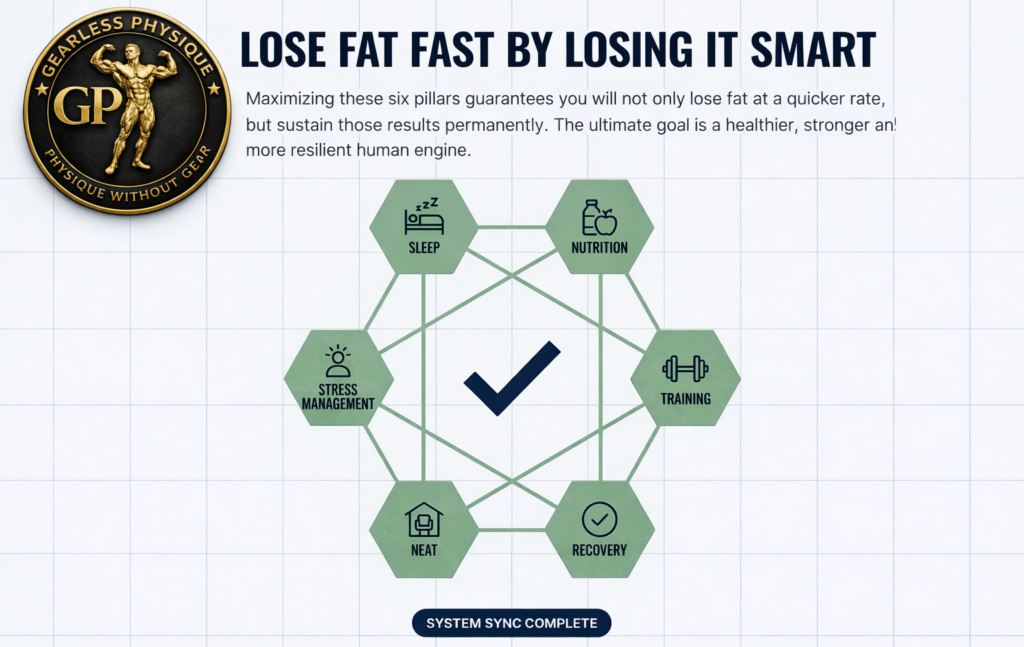
Lose Fat Fast by Losing It Smart | Gearless Physique
This visual represents the core idea of losing fat intelligently rather than aggressively. By focusing on key pillars like sleep, nutrition, training, stress management, activity, and recovery, you create a system that supports efficient fat loss. When these elements are aligned, your body functions optimally and burns fat more effectively. The goal is not just faster results but sustainable transformation. Smart fat loss is about building a lifestyle that delivers long-term success.
Read more: https://www.muscleandstrength.com/workouts/26-doug–s-6-day-cutting-routine.html

Gearless Physique
Physique Without Gear
Your transformation starts now. Who's with me?