6 Biggest Fat Nutrition Mistakes That Disrupt Hormones
The Fat-Hormone Protocol
Hormones regulate almost all activities within the human body such as growth of muscles, loss of fat, metabolic rate, mood and energy levels. Due to its direct influence on performance and physique, hormonal balance is of particular interest to the athletes, bodybuilders, and other people of fitness.
Nevertheless, some nutritional errors related to fats may harm the activity of the hormones, decrease muscle building and growth, decrease fat loss, and worsen the state of health.
In this blog, the 6 largest fat nutrition mistakes that can disrupt hormones and how you can fix them to achieve peak health and performance will be discussed.
Dietary fat
Dietary fat is one of the most misconceived issues of nutrition as it relates to the hormones. Most individuals shun away fats or end up eating the wrong kind of fats, and this may end up causing a serious imbalance in hormones.
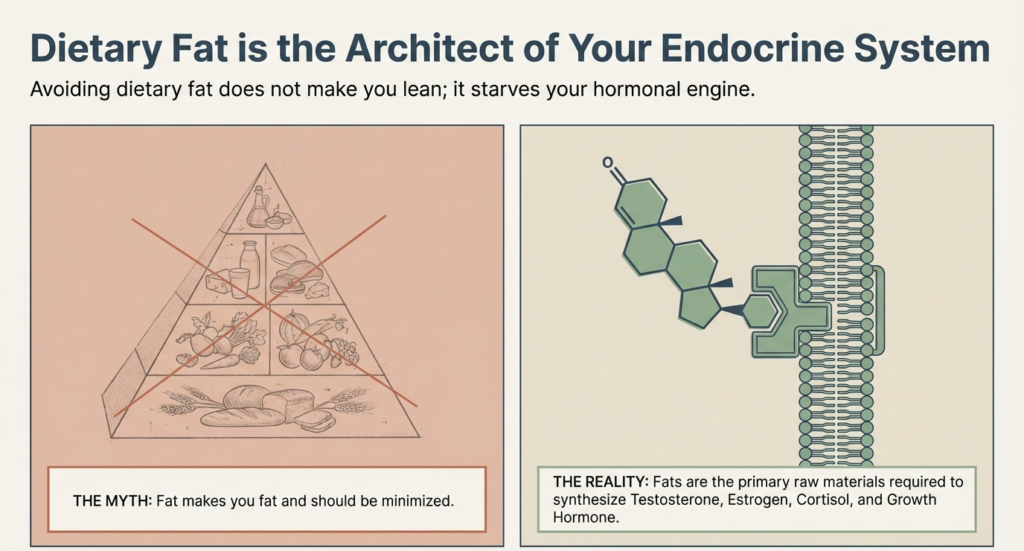
The fats in the food are not the villains. Actually, they play a vital part in the synthesis of major hormones such as testosterone, estrogen, cortisol as well as growth hormone.
Three Critical Functions of Dietary Lipids
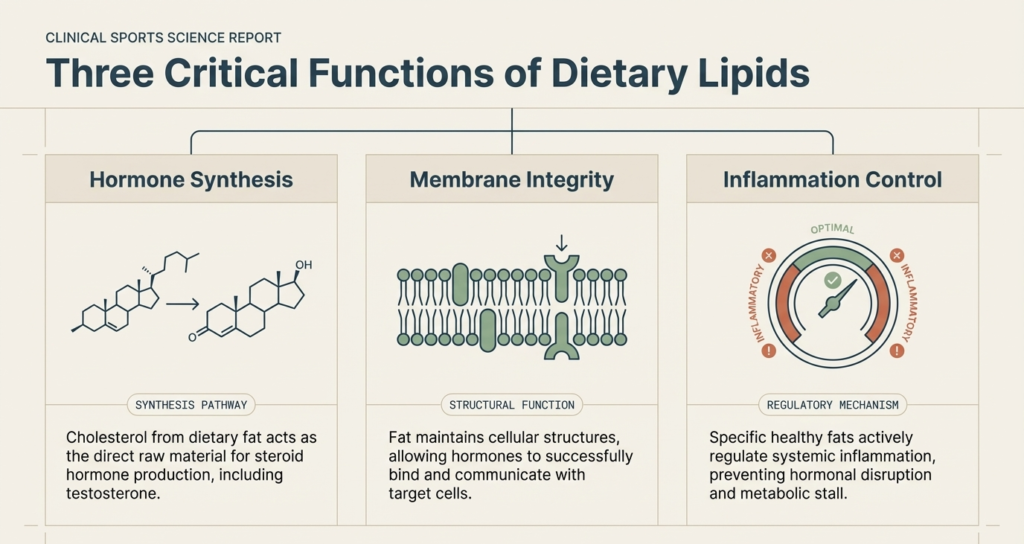
Dietary lipids play a crucial role in maintaining optimal hormonal health and overall metabolic function. One of their most important roles is hormone synthesis, where fats provide the raw materials needed to produce steroid hormones such as testosterone, estrogen, and cortisol. Lipids also support cell membrane integrity, ensuring that hormones can effectively communicate with cells throughout the body.
Strong and flexible cell membranes allow proper nutrient transport and cellular signaling. Additionally, healthy fats help with inflammation control, reducing chronic inflammation that can disrupt hormonal balance. By including balanced sources of dietary fats in your diet, you can support endocrine health, improve recovery, and maintain optimal physical performance.
The Diagnostic Framework: 6 Points of failure
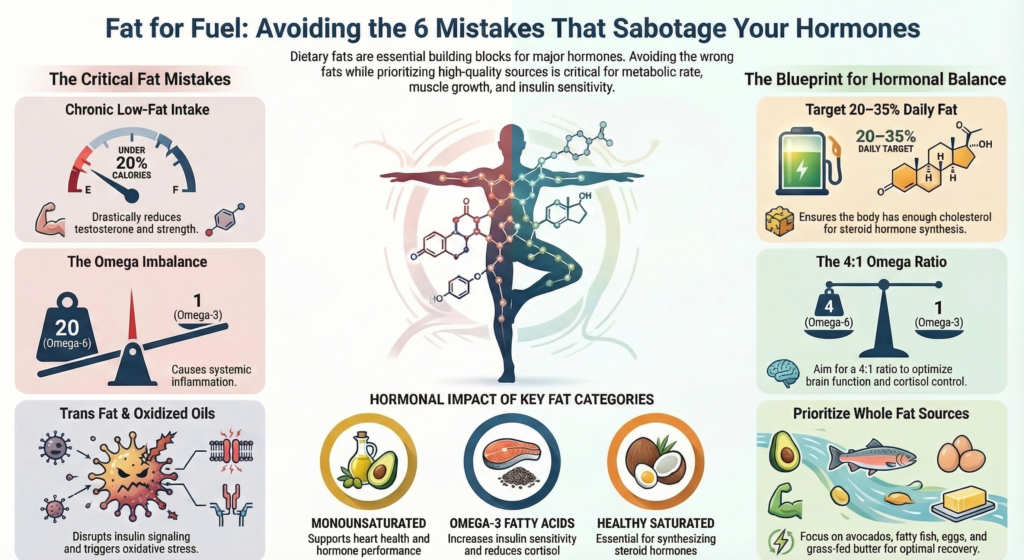
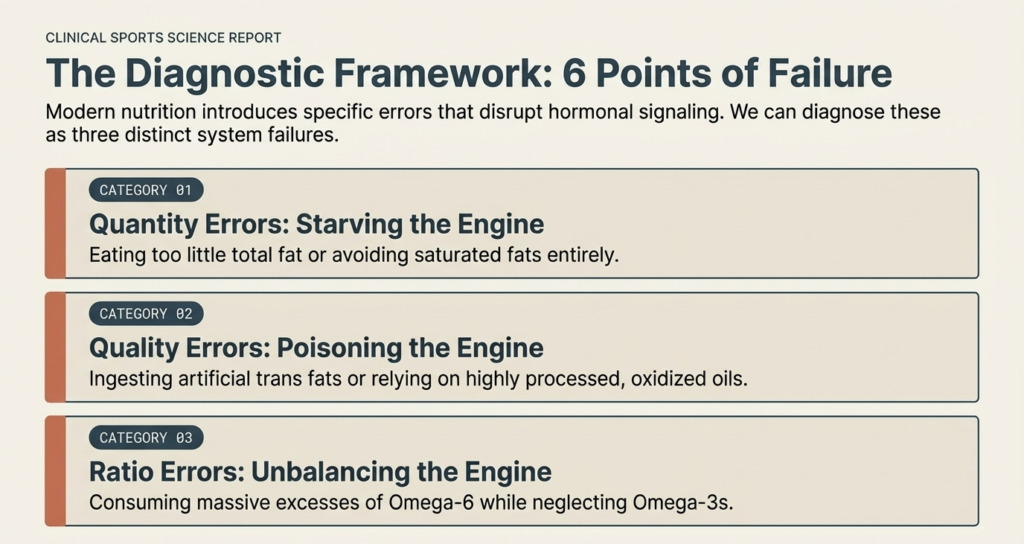
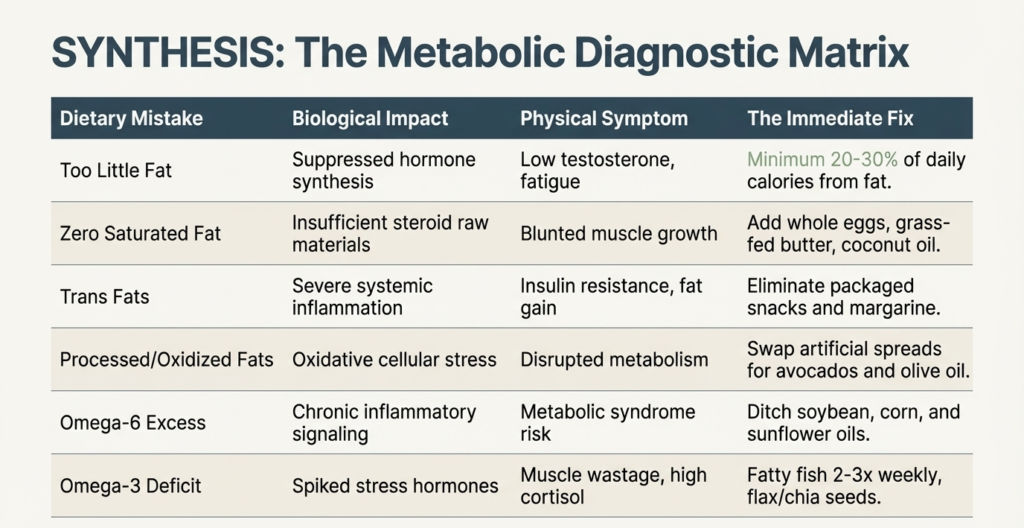
This infographic illustrates a diagnostic framework of six common dietary fat mistakes that can disrupt hormonal balance and metabolic health. These mistakes generally fall into three major categories: quantity errors, quality errors, and fatty acid ratio imbalances. Consuming too little fat or avoiding saturated fats can suppress hormone production and reduce testosterone levels. Poor fat quality, such as consuming trans fats or highly processed oils, can increase inflammation and impair metabolic function.
Additionally, an imbalance between omega-6 and omega-3 fatty acids can trigger chronic inflammation and disrupt endocrine signaling. Correcting these mistakes by improving fat intake, choosing natural sources, and balancing omega fats can restore hormonal stability and support long-term health.
1. Eating Too Little Fat
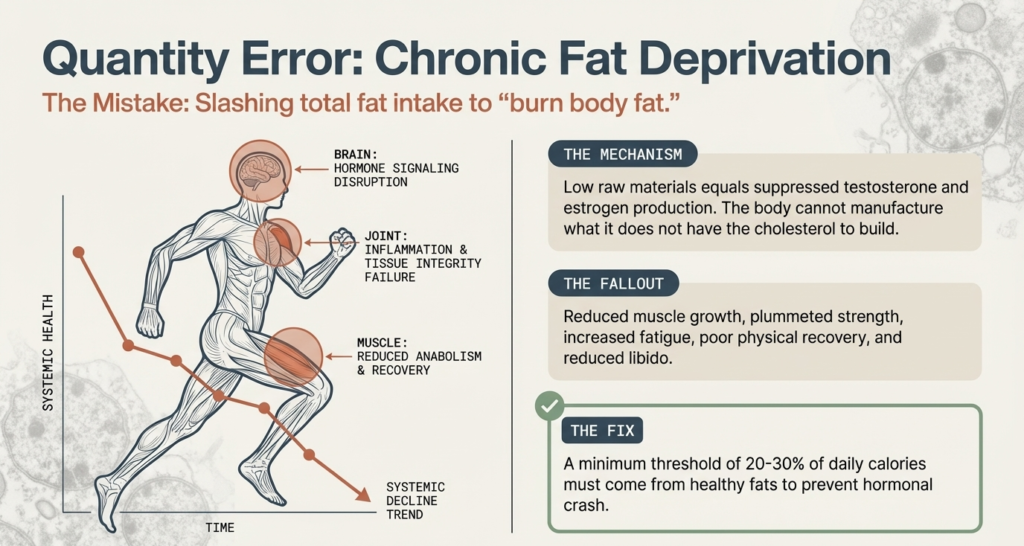
A major error that any human being can commit particularly individuals who attempt to lose weight is to reduce fat drastically. Most people are of the idea that consumption of fats will make them burn body fat. This strategy usually however, backfires. Fat in a diet is important in hormone manufacture. Cholesterol is used to produce hormones like testosterone and estrogen some of which are contained in dietary fat. At a point when the intake of fats is too little, the body cannot generate the required amount of these hormones.
Low levels of testosterone may result in:
- Reduced muscle growth.
- Lower strength.
- Increased fatigue.
- Poor recovery.
- Reduced libido.
Studies indicate that the diets with the proportion of healthy fats at an approximate of 20 to 30 percent of calories prevent a decrease in the hormone production.
A total avoidance of fats in the diet may interfere with the normal hormone level and have an adverse impact on metabolic rate.
In the case of athletes and bodybuilders, fat is a necessary requirement in the long run performance and recovery.
2. Eating Too Much of Trans Fats
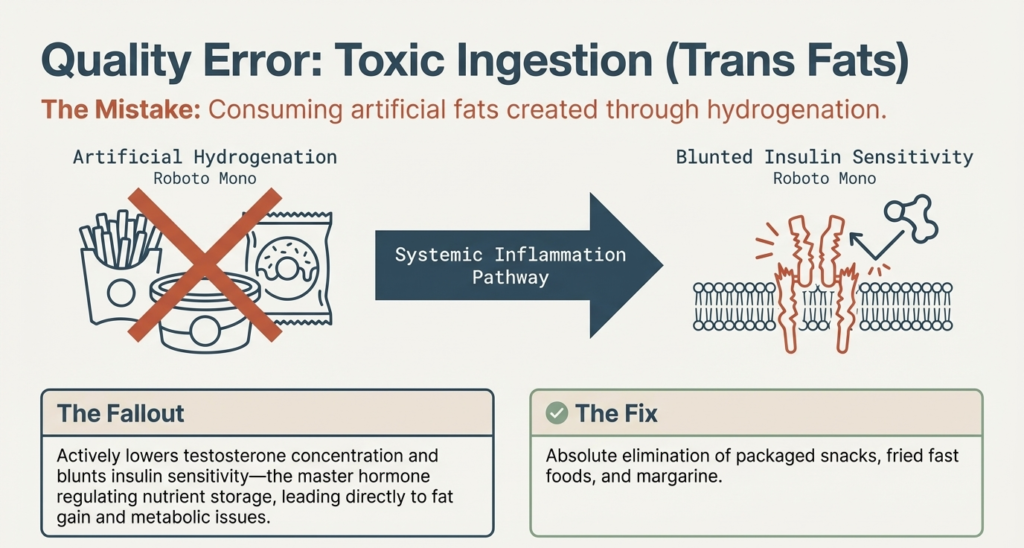
One of the worst fats that are bad to hormonal health is the trans fats. These are artificial fats that are formed through the hydrogenation process applied to most of the processed foods.
Usual sources of trans fats are:
- Packaged snacks.
- Fast foods.
- Fried foods.
- Margarine.
- Processed baked goods.
Trans fats cause inflammation in the body and disrupt hormone signaling.
Research has found out that excessive consumption of trans fats may lower testosterone concentration and interfere with the insulin sensitivity.
Insulin is a major hormone that regulates the nutrient storage and sugar in the blood. Inadequate insulin sensitivity may cause the increase in fat and metabolic issues.
Also, trans fats have a harmful effect on the cardiovascular system and are predisposed to chronic diseases.
One of the most effective methods of preserving hormonal balance is avoiding processed foods and is to use natural sources of fat.
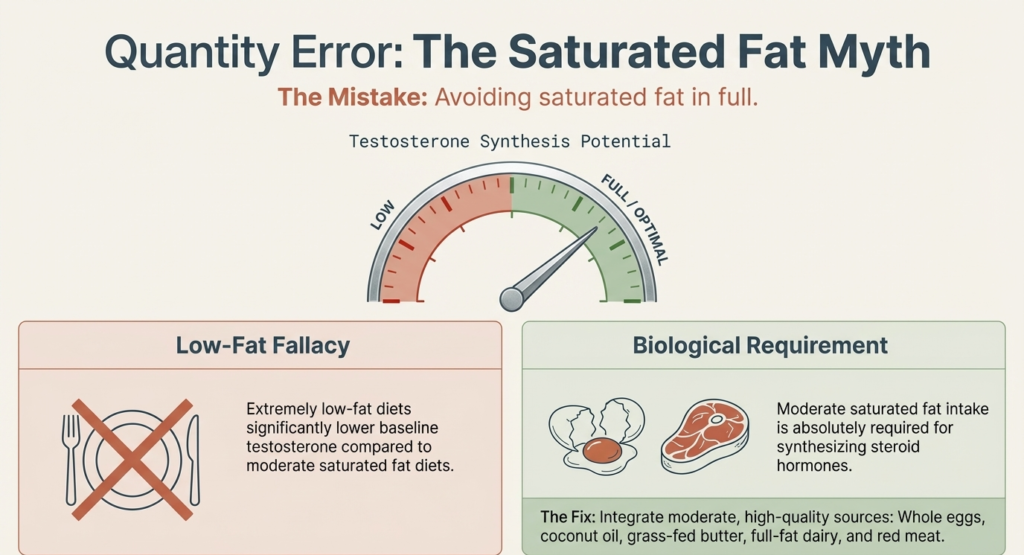
3. Avoiding Saturated Fat in Full
The saturated fat has been demonized over the decades. Although too much intake could be dangerous to health, moderate intake of saturated fat is very significant in the production of hormones. Testosterone as well as other steroid hormones is synthesized with the help of Some foods that contain healthy saturated fats are:
- Eggs.
- Coconut oil.
- Grass-fed butter.
- Red meat.
- Full-fat dairy.
Research has discovered that moderate levels of saturated fat diets promote an increased level of testosterone levels relative to immensely low fat diets.
Exclusion of saturated fats in the diet totally can cause hormonal imbalance and poor performance in athletics.
The key is balance. A diet of moderate levels of saturated fat and unsaturated fats promotes the best performance of hormones.
4. Excessive Omega-6 Fat Intake
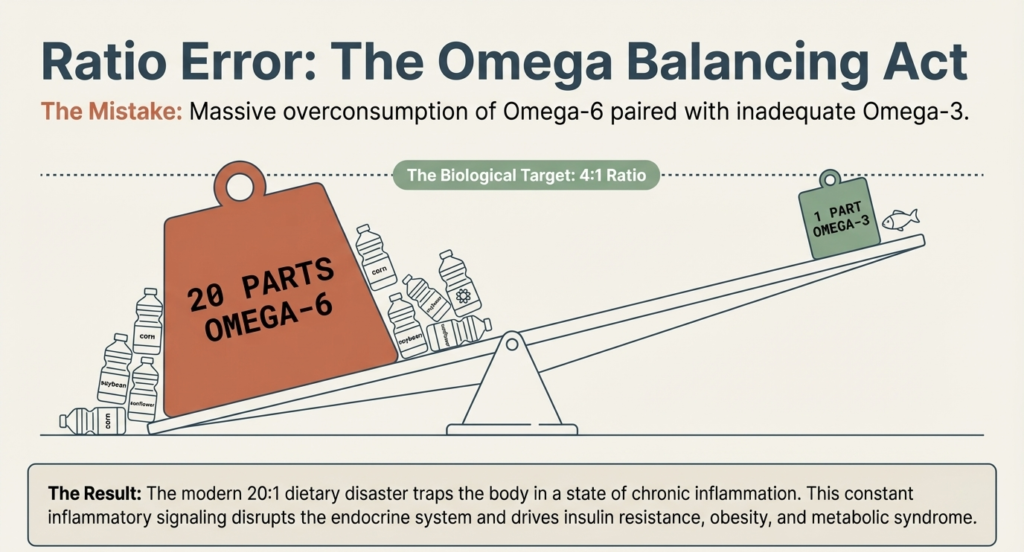
Fatty acids present in the form of omega-6 are vital yet its overconsumption may cause hormonal imbalance. The current diet is extremely high in omega-6 fats since vegetable oils are used in huge quantities.
Ordinary sources of omega-6 fats are:
- Soybean oil.
- Sunflower oil.
- Corn oil.
- Processed snacks.
- Fast foods.
However, omega-6 fats are required by the body in some biological functions, but the excess of these fats may make inflammations worse.
The chronic inflammation disrupts hormonal signaling and could be a cause of such chronic illnesses as insulin resistance, obesity, and metabolic syndrome.
The recommended ratio of omega-6 to omega-3 fatty acids is said to be approximately 4:1 or less.
Most contemporary diets, however, go up to ratios of 20:1 which is highly disruptive to hormones.
This balance can be restored by reducing intake of processed oils and increasing the amount of omega-3.
5. Failure to take Adequate Omega-3 Fats
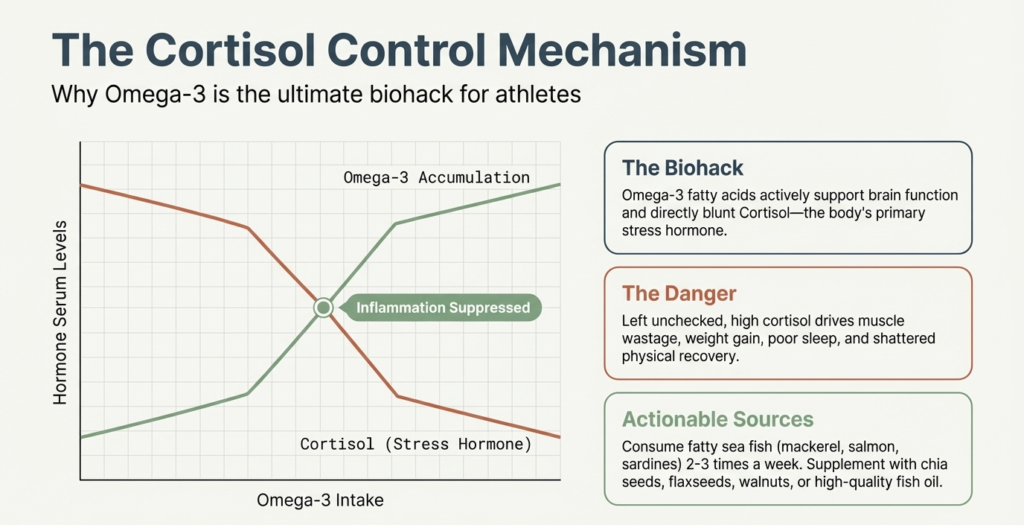
The level of omega-3 fatty acids is of paramount importance concerning hormonal well-being and the state of well-being.
These healthy fats support:
- Hormone production.
- Brain function.
Reduced inflammation. - Increased insulin sensitivity.
It is a pity to note that a lot of individuals do not take much omega-3 fat in their food.
The sources of omega-3 fatty acids include:
- Fatty fishes. (mackerel, salmon, sardines)
- Flaxseeds.
- Chia seeds.
- Walnuts.
- Fish oil supplements.
The omega-3 fats assist in controlling cortisol which is the main stress hormone in the body.
High levels of cortisol may result in muscle wastage, weight gain, poor sleep, and a decrease in the level of recovery.
The addition of omega-3 can be used to balance hormones, lose fat, and increase athletic performance.
To the majority, sea fish with a fat content consumed twice to thrice a week can help a lot to boost the amounts of omega-3.
6. Excess Reliance on Fat Processed Sources
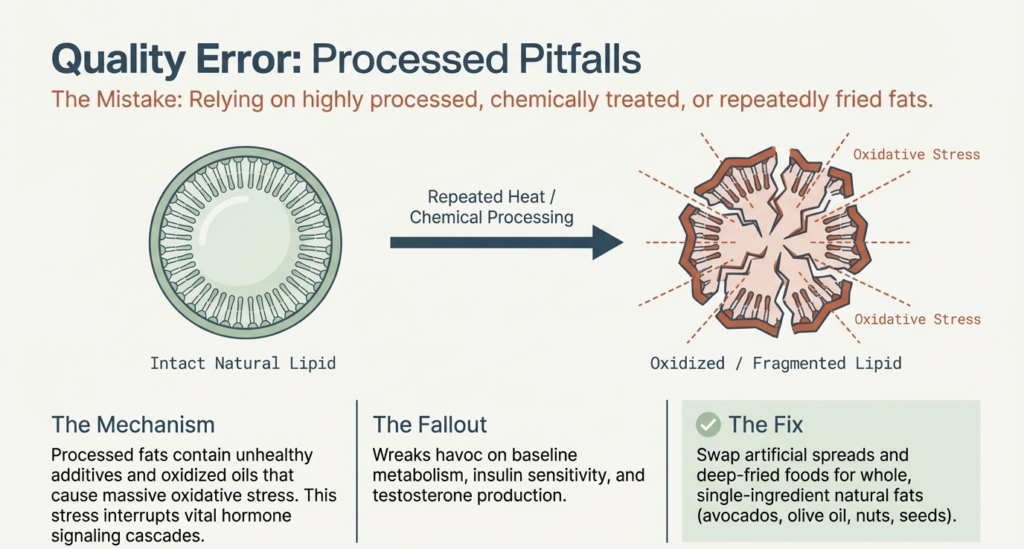
Majority of the foodstuffs they get most of their dietary fats are processed rather than natural foods. Fatty substances that are highly processed usually have unhealthy additives, oxidized oils, as well as chemical preservatives that interfere with hormone activity.
Examples include:
- Deep-fried fast foods.
- Packaged snack foods.
- Processed meats.
- Artificial spreads.
Oils may also be oxidized when they are cooked or fried repeatedly.
Conjugated fats cause oxidative stress in the body and disrupt hormone signaling cascades.
This may have adverse impacts on metabolism, insulin sensitivity and production of testosterone.
Rather than using processed sources of fats, it is much more preferable to consider whole and natural foods.
Healthy fat sources include:
- Avocados.
- Olive oil.
- Nuts.
- Seeds.
- Fatty fish.
- Eggs.
Natural fats contain needed nutrients that are instrumental in hormonal wellbeing and metabolism. The Way Healthy Fats Promote Hormone Balance.
Knowing the purpose of healthy fats in the body makes the necessity of their high importance when it comes to hormonal balance rather understandable.
Metabolic Diagnostic Matrix: Fixing Dietary Fat Mistakes
The Metabolic Diagnostic Matrix highlights six common dietary fat mistakes and explains how each one affects hormonal health, metabolism, and physical performance. The matrix connects specific nutrition errors—such as eating too little fat, avoiding saturated fats, consuming trans fats, relying on processed oils, excessive omega-6 intake, and inadequate omega-3 consumption—with their biological impact on the body. These mistakes can lead to suppressed hormone synthesis, chronic inflammation, insulin resistance, fatigue, and reduced muscle growth.
The chart also provides practical solutions, including increasing healthy fat intake to 20–30% of daily calories, choosing whole-food fat sources, and balancing omega-3 and omega-6 ratios. Correcting these dietary issues helps restore hormone production, improve recovery, and support long-term metabolic health.
Healthy Fats: Best Sources of Hormonal Health
Hormonal balance should be maintained by including fat sources that are of high quality in your daily diet.
Among the most appropriate ones, the following ones can be mentioned:
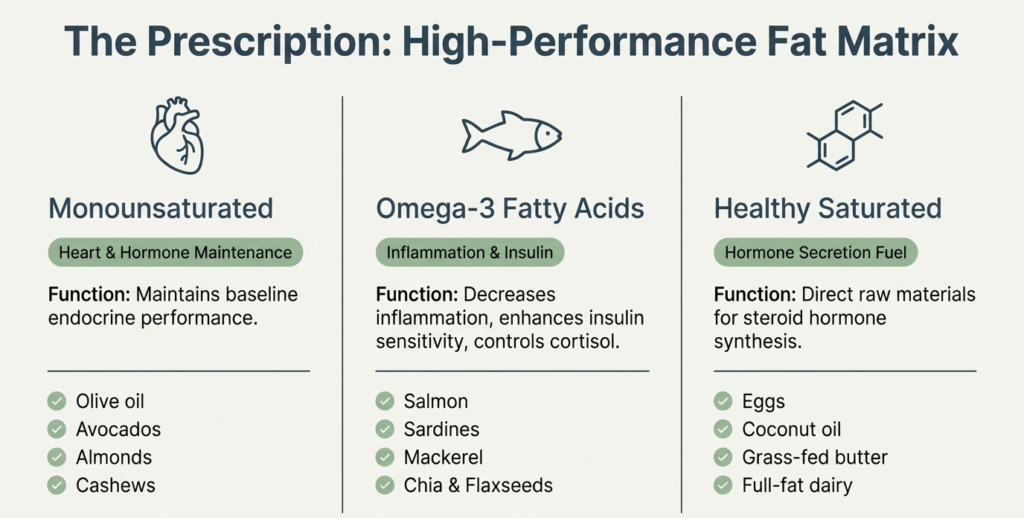
1: Monounsaturated Fats:
These fats maintain the heart and hormone performance.
Examples include:
- Olive oil.
- Avocados.
- Almonds.
- Cashews.
2: Omega-3 Fatty Acids:
Such fats decrease inflammation and enhance insulin sensitivity.
Sources include:
- Salmon.
- Sardines.
- Mackerel.
- Chia seeds.
- Flaxseeds.
3: Healthy Saturated Fats:
Medium levels facilitate hormone secretion.
Sources include:
- Eggs.
- Coconut oil.
- Grass-fed butter.
- Full-fat dairy.
A combination of these sources of fats will form a balanced nutrition profile that will aid in hormonal stability.
Read More: https://nutritionsource.hsph.harvard.edu/what-should-you-eat/fats-and-cholesterol/types-of-fat/
How Much Fat Should You Eat?
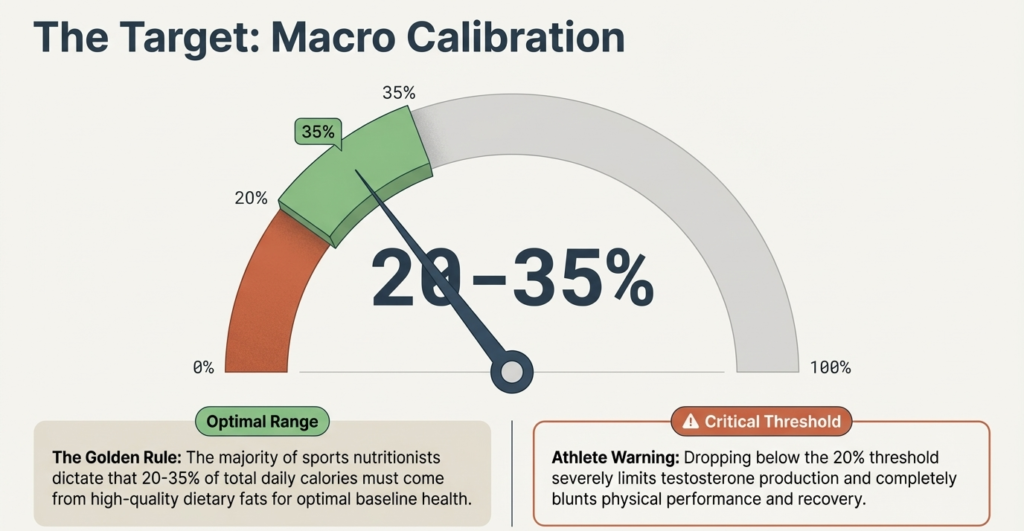
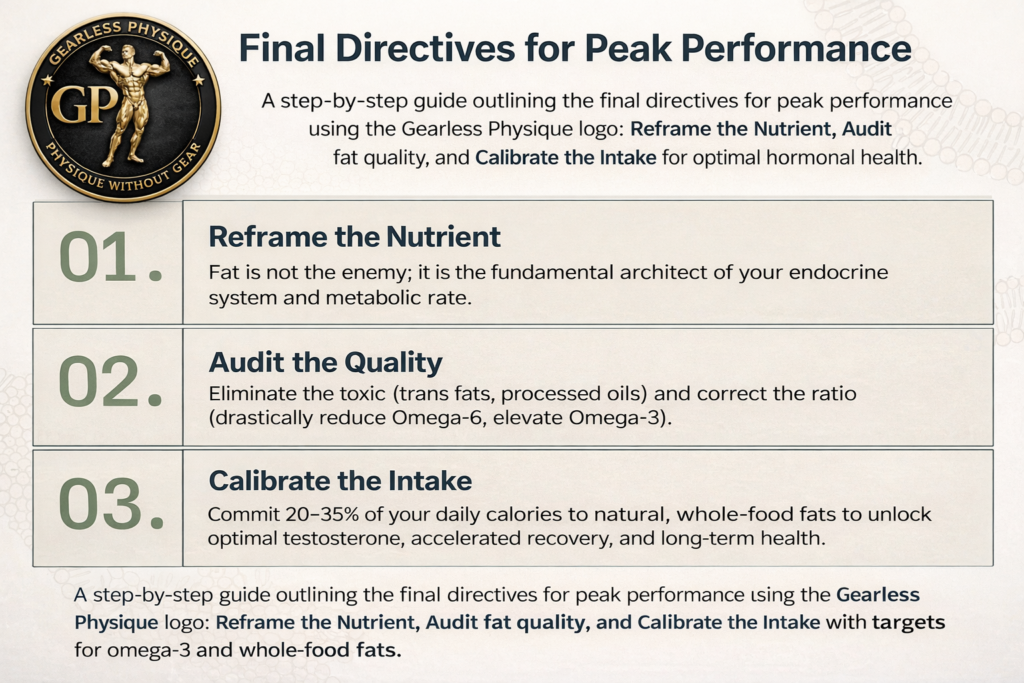
The maximum amount of fats intake is also dependent on various factors such as body composition objectives, level of activity and the total number of calories being consumed. But the majority of nutritionists suggest that one should consume 20-35 percent fats of every day. In athletes and other people who engage in resistance training, the issue of sufficient fat intake is particularly significant in regard to the production of testosterone. Very low-fat diets can decrease the level of hormones and the physical performance.
The most effective way to achieve long-term health and hormonal balance is to have a balanced diet that consists of healthy fats that are produced in a natural manner.
The Upward Spiral of Hormonal Optimization
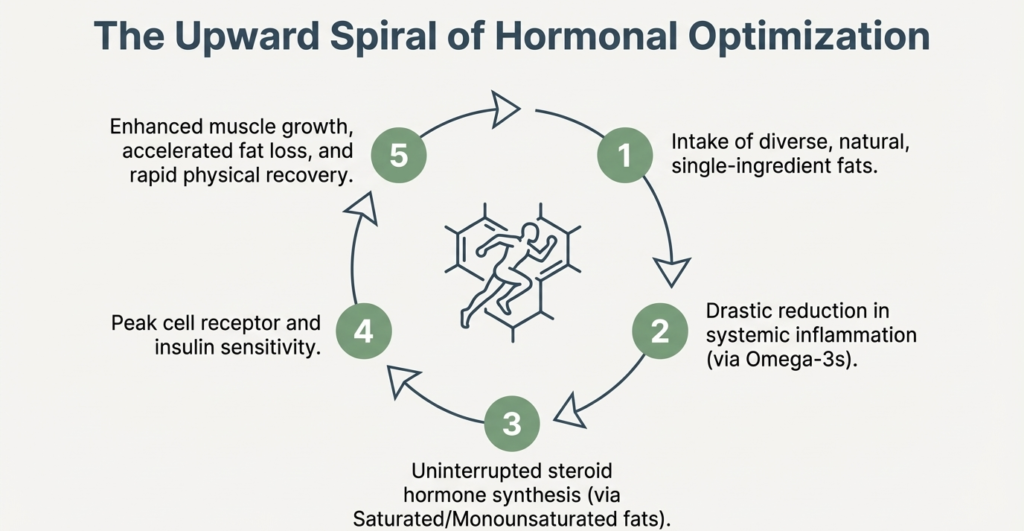
The Upward Spiral of Hormonal Optimization illustrates how balanced dietary fat intake can create a positive cycle that improves overall health and performance. Consuming natural, high-quality fats supports the body’s ability to produce key hormones such as testosterone and growth hormone. These hormones help regulate metabolism, promote muscle growth, and improve recovery. Healthy fats also reduce chronic inflammation, which allows hormonal signaling to function more efficiently. As inflammation decreases, insulin sensitivity improves, enabling the body to utilize nutrients more effectively.
This leads to better energy levels, enhanced muscle development, and improved fat loss. Over time, these interconnected benefits create a powerful upward spiral that supports long-term hormonal balance and athletic performance.
Final Thoughts
Fats found in diet are essential in hormonal wellbeing. Alas, lots of individuals make nutritional mistakes related to fat without their understanding that they influence the balance of hormones and have a harmful impact on their fitness objectives. The absence of fats, the use of trans fats, the intake of processed foods, and the lack of an adequate balance of omega-3 to omega-6 may all disrupt the production of hormones.
The thing is that by reducing the percentage of fat sources and keeping them high in quality, as well as taking them in a balanced amount, you will be able to promote healthy levels of hormones, fasten the recovery process, and boost overall performance. In case you are aiming at building muscle, losing fat and being in perfect health condition, it is necessary to know how dietary fat influences hormones.
Even little but clever nutrition choices today can have a significant effect on your future health and fitness outcomes.

Gearless Physique
Physique Without Gear
Your transformation starts now. Who's with me?