Table of Contents
Toggle7 Common Powerlifting Mistakes That Stall Progress
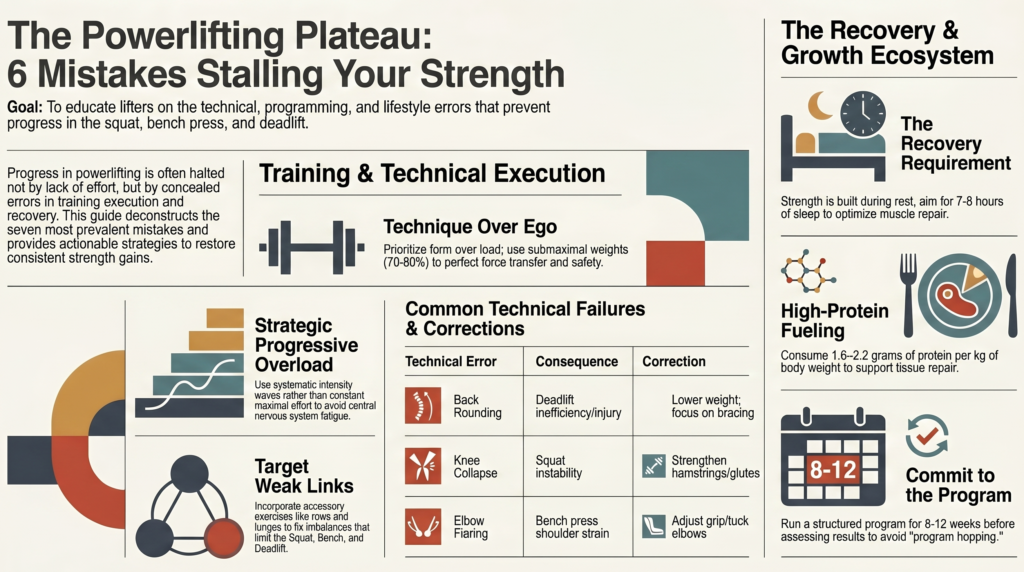
In this infographic image we show some Common Powerlifting Mistakes That Stall Progress. Strength is not built overnight—it requires time, discipline, and consistency. This image reinforces the importance of long-term commitment in powerlifting. Many lifters expect quick results, but true progress comes from months and years of dedicated training. Consistency allows the body to adapt gradually, leading to sustainable strength gains. Patience is what separates average lifters from elite performers. By staying committed to your program, focusing on proper technique, and prioritizing recovery, you can achieve your full potential. Avoid shortcuts and trust the process. Long-term consistency is the ultimate key to success in powerlifting and overall fitness.
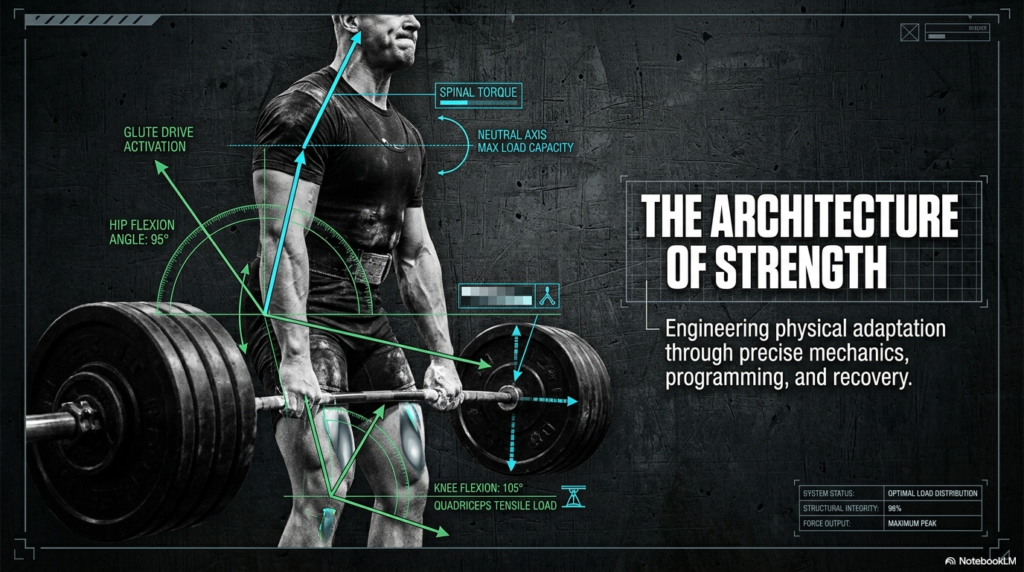
The Architecture of Strength in Deadlift Mechanics
Powerlifting success begins with mastering the architecture of strength, especially in movements like the deadlift. This image highlights how proper biomechanics—neutral spine alignment, hip hinge positioning, and controlled force transfer—create maximum efficiency. Many lifters fail to realize that strength is not just about lifting heavier weights, but about how effectively the body distributes load. Poor spinal positioning or weak glute activation can significantly reduce performance and increase injury risk. By focusing on correct angles and muscle engagement, lifters can lift more weight safely over time. Understanding these mechanical principles is essential to avoid common mistakes that lead to stalled progress in powerlifting training.
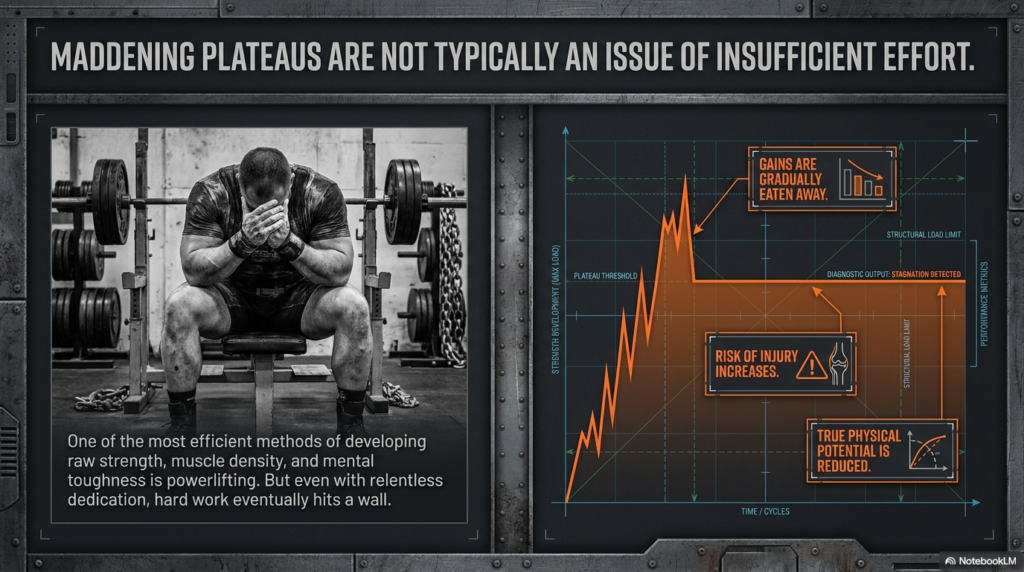
Why Powerlifting Plateaus Happen
Many lifters assume that hitting a plateau means they are not working hard enough, but this is rarely the case. This visual demonstrates how strength initially improves but eventually stagnates due to hidden errors in programming, recovery, and technique. Over time, accumulated fatigue and poor decisions reduce performance and increase injury risk. Instead of pushing harder, lifters need to analyze their approach and identify weak points. Plateaus are signals, not failures—they indicate inefficiencies in your system. By addressing recovery, refining technique, and improving programming, you can break through stagnation and continue progressing in your squat, bench press, and deadlift effectively.
The Three Pillars of Strength Development
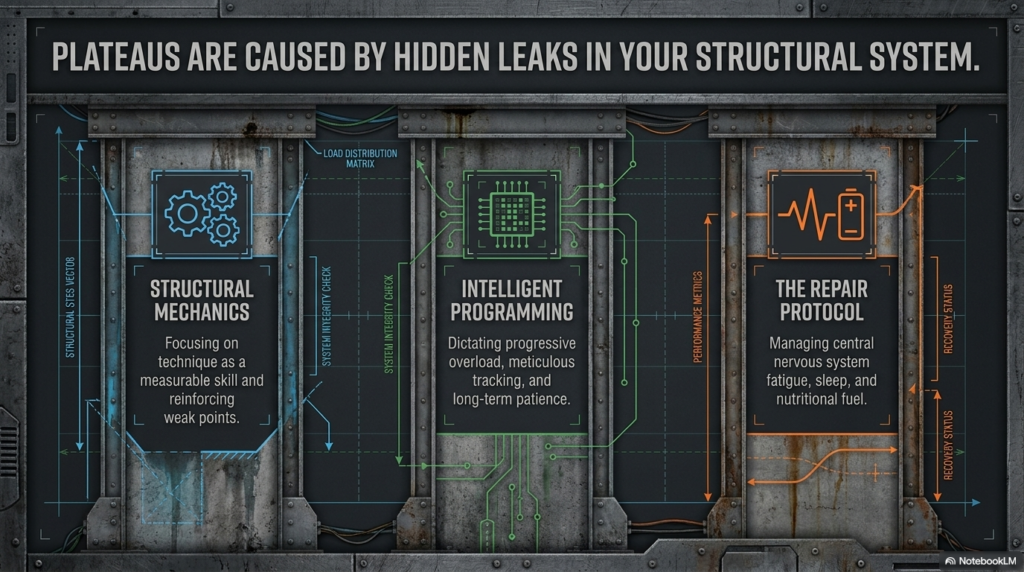
Strength is not built from training alone—it is the result of a complete system. This image highlights the three essential pillars: structural mechanics, intelligent programming, and recovery protocols. Technique ensures efficient movement, programming drives progressive overload, and recovery allows adaptation. Ignoring any one of these elements leads to stalled progress. Many lifters focus only on lifting heavier weights but neglect sleep, nutrition, or proper planning. This imbalance creates fatigue and limits growth. A well-structured approach that integrates all three components ensures long-term strength gains. To progress consistently in powerlifting, you must treat your training like a system, not just a workout routine.
Technique vs Ego Lifting in Powerlifting
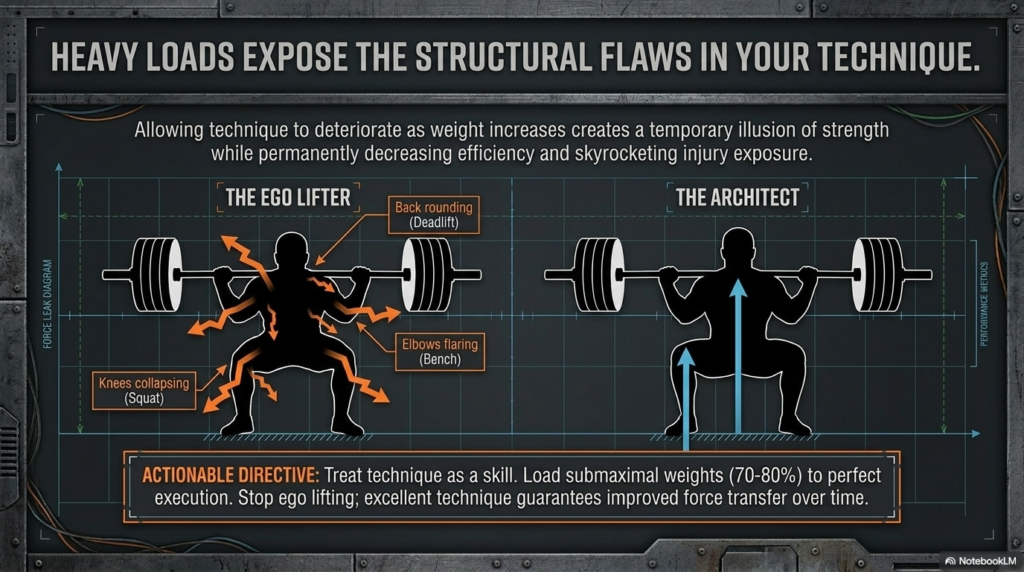
One of the most common powerlifting mistakes in powerlifting is prioritizing ego over technique. This comparison clearly shows how poor form—such as knee collapse, back rounding, and elbow flaring—reduces efficiency and increases injury risk. While lifting heavier weights with bad form may feel rewarding in the short term, it ultimately limits long-term progress. Proper technique allows optimal force transfer and muscle activation, enabling steady strength gains. Lifters should treat technique as a skill and practice with submaximal loads to perfect movement patterns. By focusing on quality over quantity, you build a strong foundation that supports consistent progress and reduces the risk of setbacks.
Weak Links That Limit Powerlifting Strength
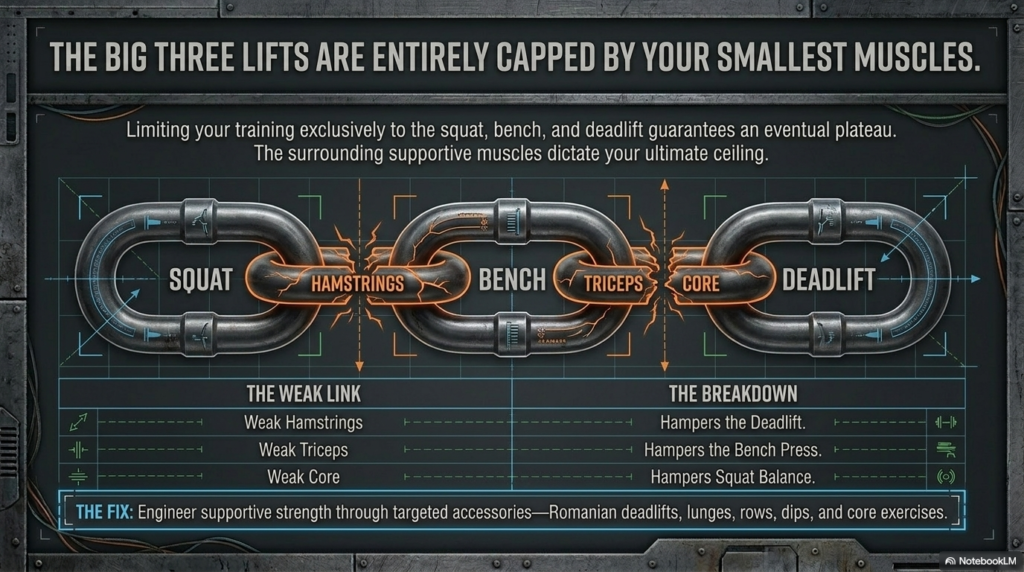
In powerlifting, your strength is only as strong as your weakest link. This image explains how small muscle groups like hamstrings, triceps, and core muscles directly impact performance in the big three lifts. Weak hamstrings limit deadlift power, weak triceps reduce bench press lockout strength, and a weak core affects squat stability. Ignoring these supporting muscles leads to imbalances and plateaus. Accessory exercises play a crucial role in strengthening these weak points and improving overall performance. Incorporating movements like Romanian deadlifts, dips, rows, and core work helps build a balanced physique that supports heavier lifts and long-term strength development.
Progressive Overload Strength Cycle Explained
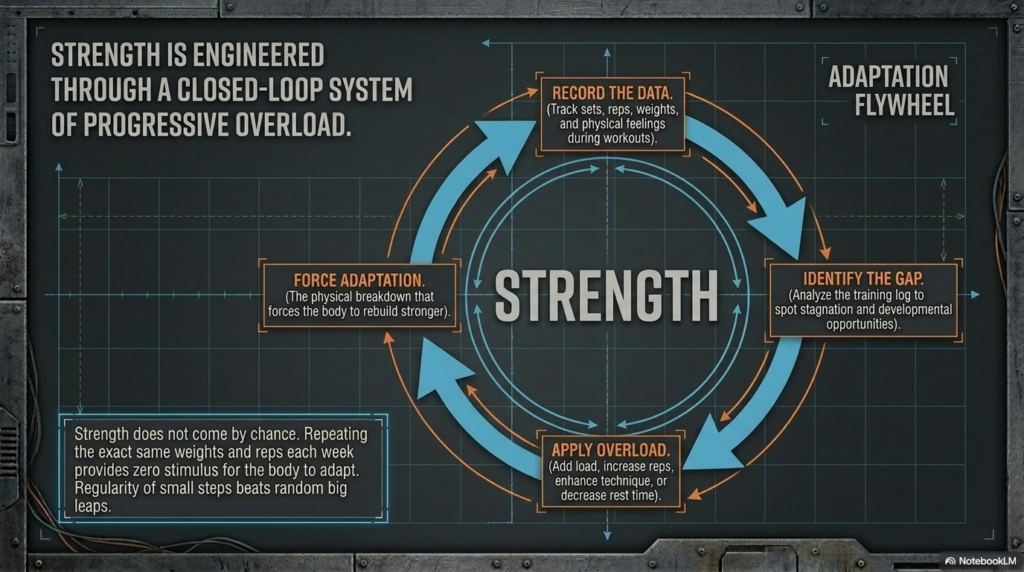
Progressive overload is the foundation of strength development in powerlifting. This visual demonstrates how tracking workouts, applying overload, and analyzing performance creates a continuous growth cycle. Without a structured approach, lifters often repeat the same weights and reps, leading to stagnation. Strength does not improve randomly—it requires deliberate progression. By consistently increasing load, reps, or improving technique, the body is forced to adapt. Keeping a training log helps identify patterns, weaknesses, and opportunities for improvement. Over time, small incremental changes produce significant results. A disciplined approach to progressive overload ensures steady gains and prevents long-term plateaus.
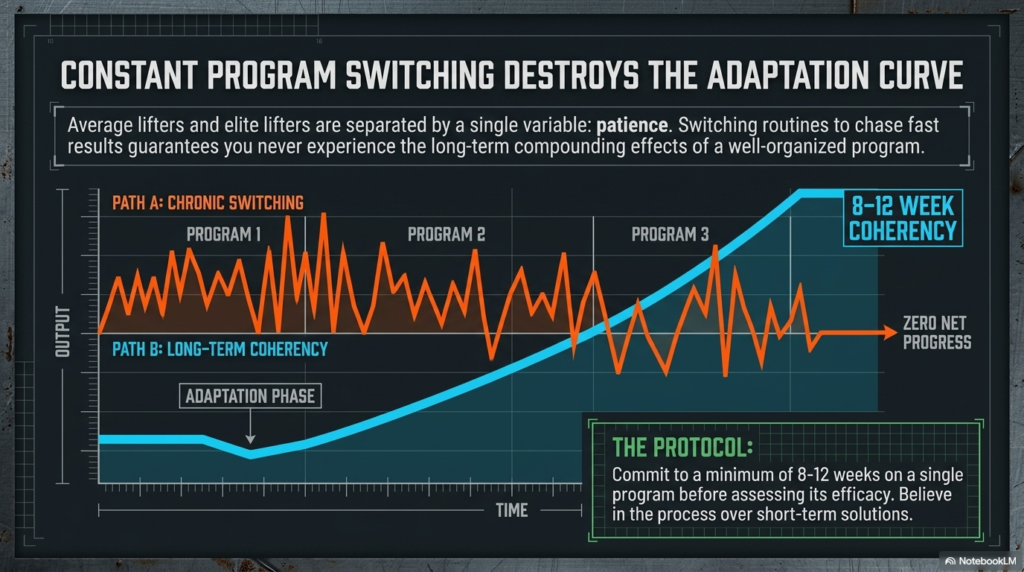
Why Program Hopping Kills Strength Gains
Constantly switching workout programs is one of the biggest reasons lifters fail to progress. This image shows how inconsistent training leads to fluctuating results and zero long-term gains. In contrast, sticking to a structured program allows gradual adaptation and steady improvement. Strength takes time to build, and frequent changes prevent the body from fully adapting to a training stimulus. Lifters should commit to a program for at least 8–12 weeks before evaluating results. Patience is key to success in powerlifting. By focusing on consistency and trusting the process, you can unlock long-term strength gains and avoid unnecessary plateaus.
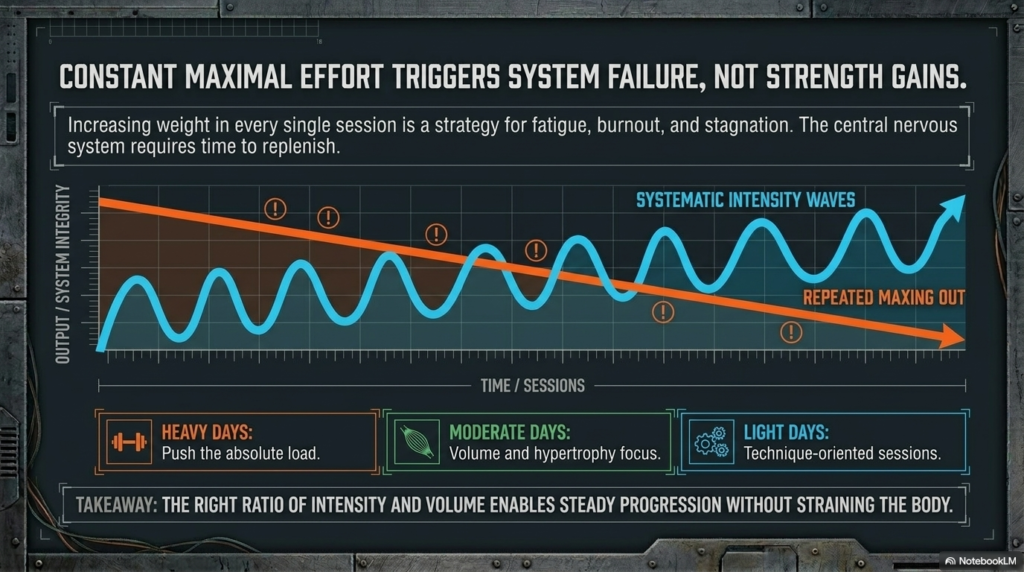
Overtraining vs Smart Intensity Programming
Training at maximum intensity every session may seem effective, but it quickly leads to fatigue and burnout. This image highlights the difference between constant max effort and structured intensity waves. Overtraining reduces performance, increases injury risk, and stalls progress. In contrast, a balanced program includes heavy, moderate, and light sessions to manage fatigue and optimize recovery. This approach allows the nervous system to recover while still promoting strength gains. Smart programming ensures long-term progress without overloading the body. By controlling intensity and volume, lifters can train consistently and avoid the common mistake of overtraining.
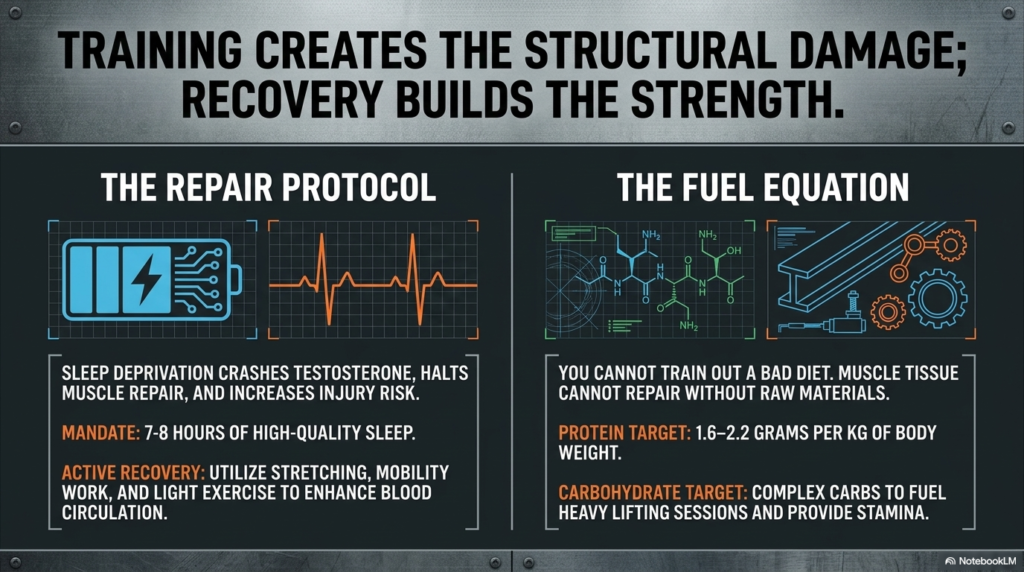
Recovery and Nutrition for Powerlifting Strength
Recovery and nutrition are critical components of strength development in powerlifting. This image emphasizes the importance of sleep, protein intake, and balanced nutrition. Sleep is essential for hormone regulation and muscle repair, while protein provides the building blocks for recovery. Without adequate nutrition, the body cannot rebuild stronger after training. Carbohydrates fuel intense workouts, and healthy fats support overall health. Many lifters neglect recovery, leading to fatigue and stalled progress. Prioritizing 7–8 hours of quality sleep and maintaining a nutrient-rich diet ensures optimal performance. Proper recovery allows your body to adapt, grow stronger, and perform at its best consistently.
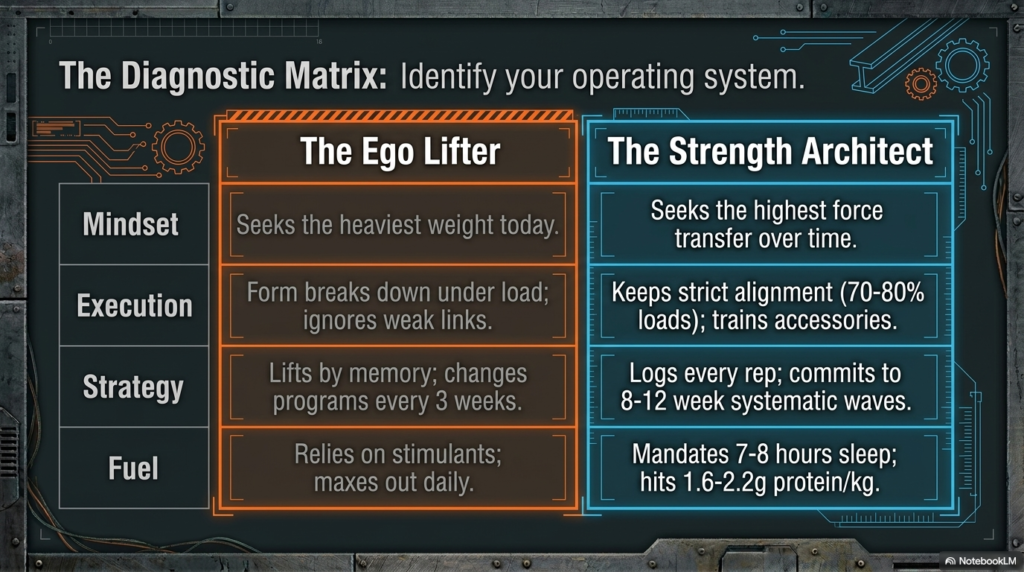
Ego Lifter vs Strength Architect Mindset
Your mindset plays a crucial role in your success as a powerlifter. This image contrasts the ego lifter with the strength architect. Ego lifters chase heavy weights without focusing on technique, recovery, or consistency. This approach leads to poor form, injuries, and stalled progress. In contrast, disciplined lifters prioritize proper execution, structured programming, and recovery. They track their progress, commit to long-term goals, and focus on continuous improvement. Developing the right mindset is essential for sustainable strength gains. By shifting your focus from short-term achievements to long-term development, you can build a stronger and more resilient body.
Consistency is the Key to Strength Growth
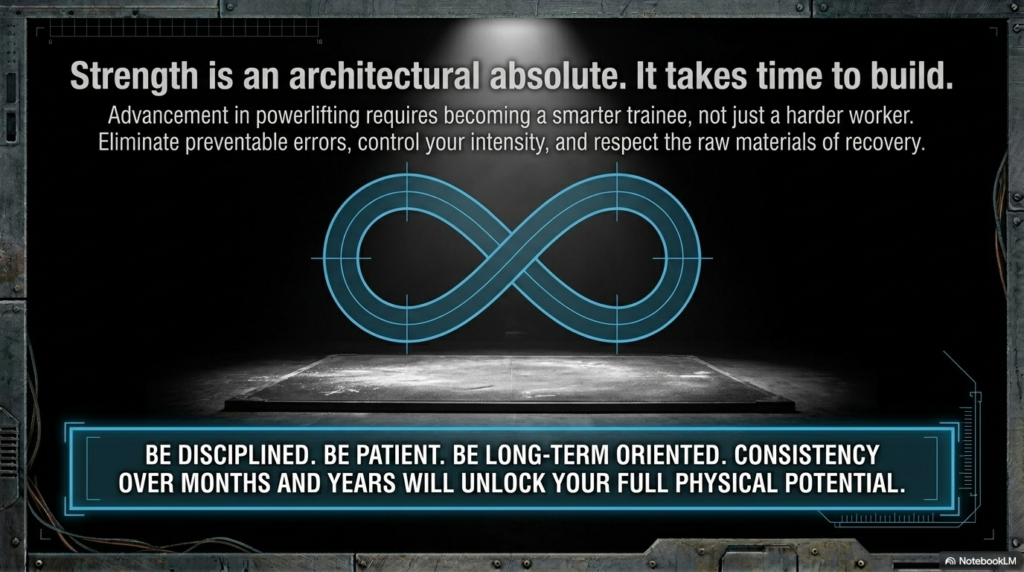
Strength is not built overnight—it requires time, discipline, and consistency. This image reinforces the importance of long-term commitment in powerlifting. Many lifters expect quick results, but true progress comes from months and years of dedicated training. Consistency allows the body to adapt gradually, leading to sustainable strength gains. Patience is what separates average lifters from elite performers. By staying committed to your program, focusing on proper technique, and prioritizing recovery, you can achieve your full potential. Avoid shortcuts and trust the process. Long-term consistency is the ultimate key to success in powerlifting and overall fitness.
Read more: https://www.muscleandstrength.com/articles/powerlifting-meet-mistakes-competitors

Gearless Physique
Physique Without Gear
Your transformation starts now. Who's with me?