Table of Contents
Toggle8 Ways to Track Strength, Size, and Fat Loss Progress
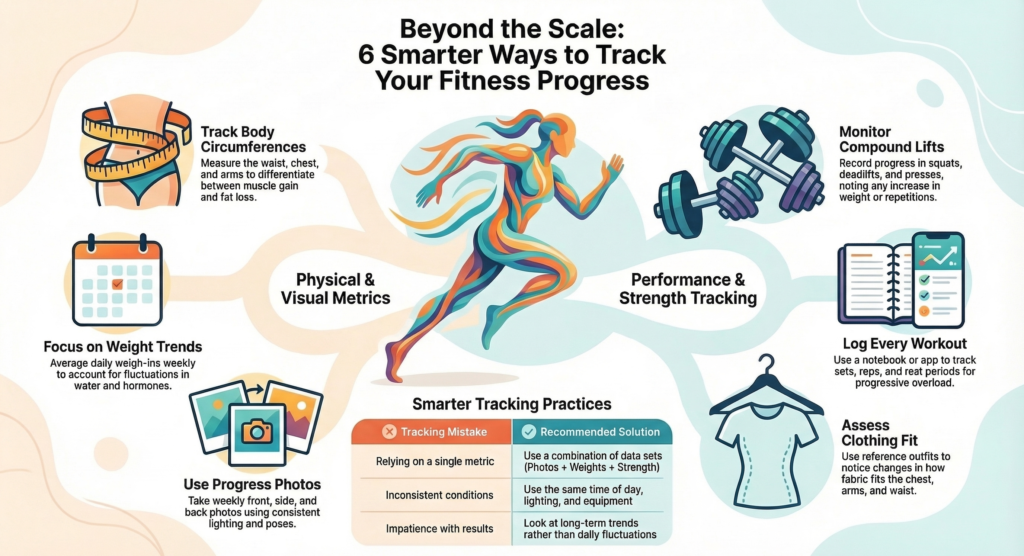
This infographic summarizes the smartest ways to track your fitness progress using multiple methods. It highlights the importance of combining body measurements, strength tracking, weight trends, progress photos, and workout logs. Each method plays a unique role in providing a complete picture of your transformation. It also emphasizes avoiding common mistakes like relying on a single metric or being inconsistent. By following these practices, you can track your progress more effectively and stay motivated.
This visual serves as a quick reference guide, helping you understand how to monitor your fitness journey in a smarter and more structured way.
Beyond the Scale: Tracking Strength, Size and Fat Loss Progress
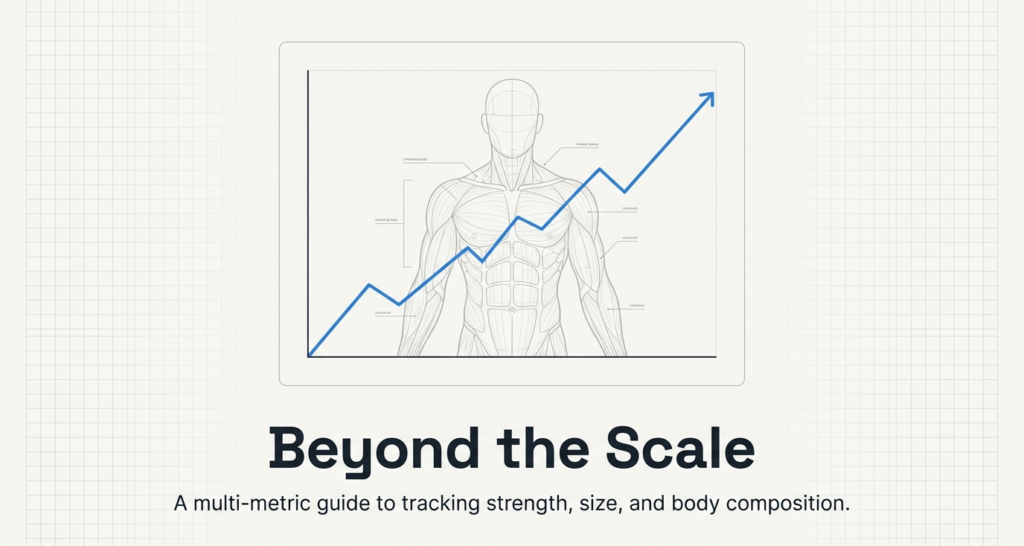
Tracking your fitness progress goes far beyond just stepping on a weighing scale. While body weight gives you a number, it does not reflect the full picture of your transformation. True progress includes improvements in strength, muscle size, fat loss, and overall performance. This visual represents the concept of upward progress, showing how consistent effort leads to long-term results. Instead of relying on a single metric, you need a multi-dimensional approach. When you track different aspects of your fitness journey, you gain clarity and direction.
This helps you stay motivated, make smarter adjustments, and ensure that your training and nutrition are actually delivering results over time.
Why the Scale is an Incomplete Measure of Progress
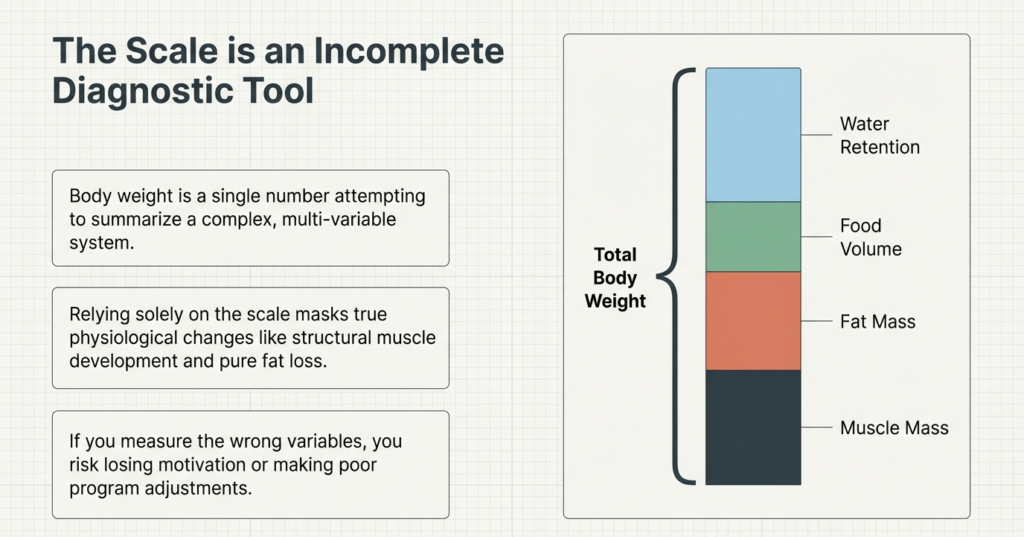
Body weight is often misunderstood as the ultimate indicator of progress, but it is actually a combination of multiple variables. Your total weight includes muscle mass, fat mass, water retention, and even food volume. This means your weight can fluctuate daily without any real change in body composition. Relying only on the scale can lead to frustration and poor decisions.
For example, you might think you are not progressing when you are actually gaining muscle and losing fat simultaneously. Understanding this breakdown allows you to focus on meaningful changes. It shifts your mindset from chasing numbers to analyzing real physical improvements in your body.
The Holistic Fitness Tracking Ecosystem
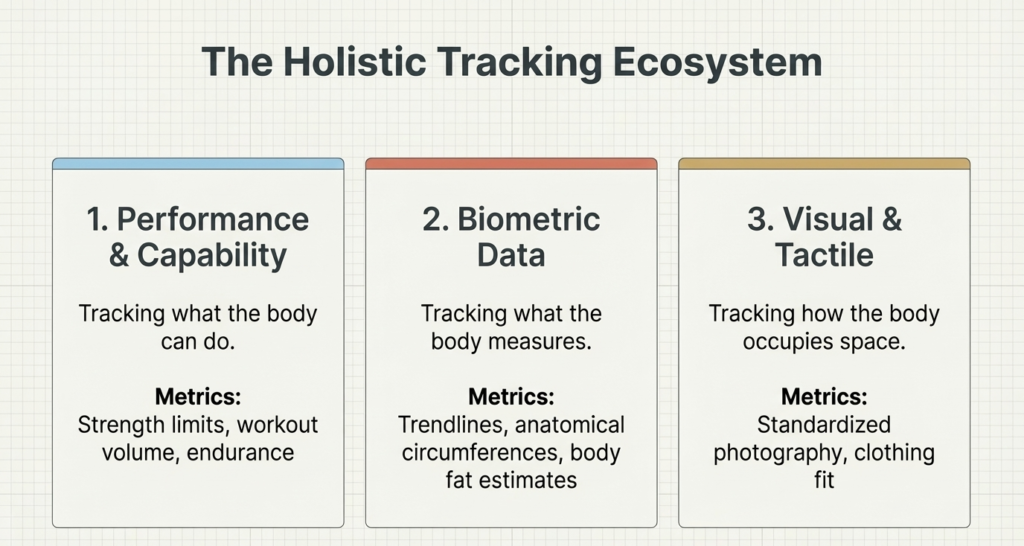
A complete fitness tracking system is built on three key pillars: performance, biometric data, and visual feedback. Performance tracking focuses on what your body can do, such as strength and endurance. Biometric data includes measurements like body weight, circumferences, and fat percentage. Visual tracking involves progress photos and how your body looks over time. When combined, these three pillars create a powerful system that eliminates guesswork. Instead of relying on a single method, you get a full understanding of your progress.
This holistic approach ensures that every aspect of your transformation is monitored, helping you stay consistent and make informed decisions.
Strength Tracking with Progressive Overload
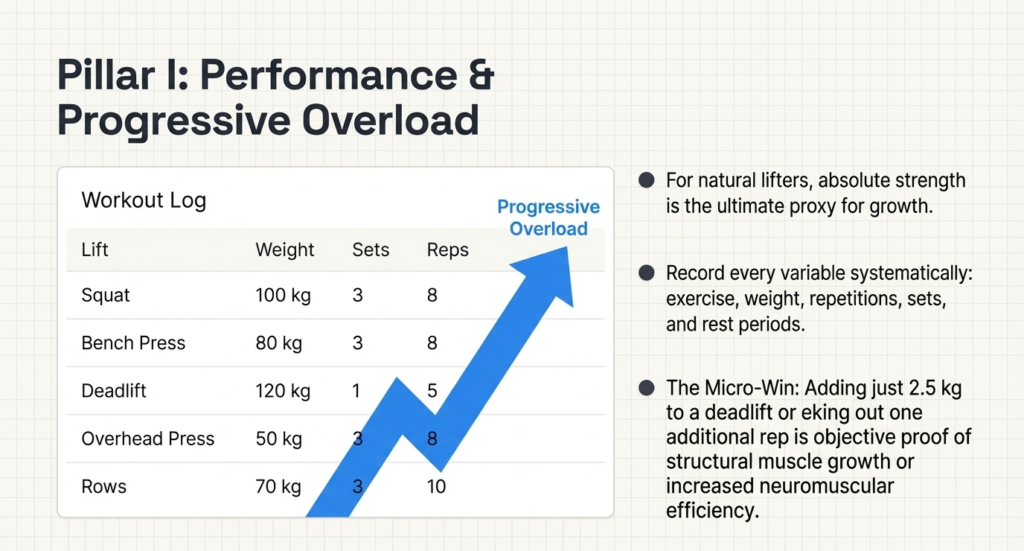
Strength progression is one of the most reliable indicators of muscle growth. By tracking your workouts, you can apply progressive overload, which means gradually increasing weight, reps, or intensity over time. Even small improvements, like adding 2.5 kg or completing one extra rep, indicate real progress. A structured workout log helps you stay consistent and avoid repeating the same weights.
It also allows you to identify plateaus and adjust your training accordingly. For natural lifters, increasing strength is a strong signal of muscle development. Consistent tracking ensures that your workouts are purposeful and continuously pushing your limits for better results.
Work Capacity and Conditioning Progress Indicators
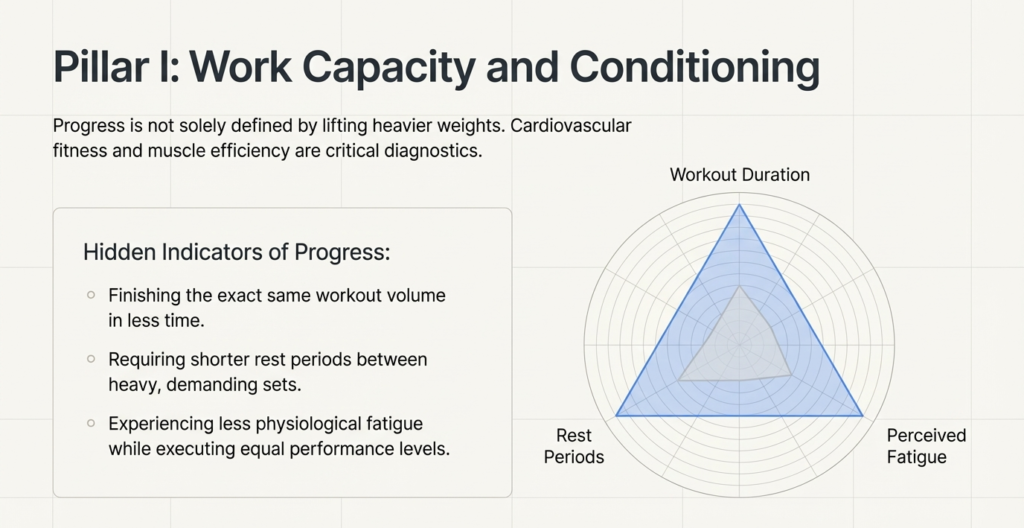
Daily weight fluctuations are normal and influenced by factors like water retention, food intake, and hormones. This is why focusing on a single day’s weight can be misleading. Instead, tracking your weekly average provides a more accurate representation of progress. By analyzing trends over time, you can determine whether you are losing fat, gaining muscle, or maintaining your weight.
This approach removes emotional reactions to daily changes and helps you stay focused on long-term goals. Consistency in tracking is key, as it allows you to identify patterns and make informed adjustments to your fitness plan.
Body Measurement Map for Tracking Size Changes
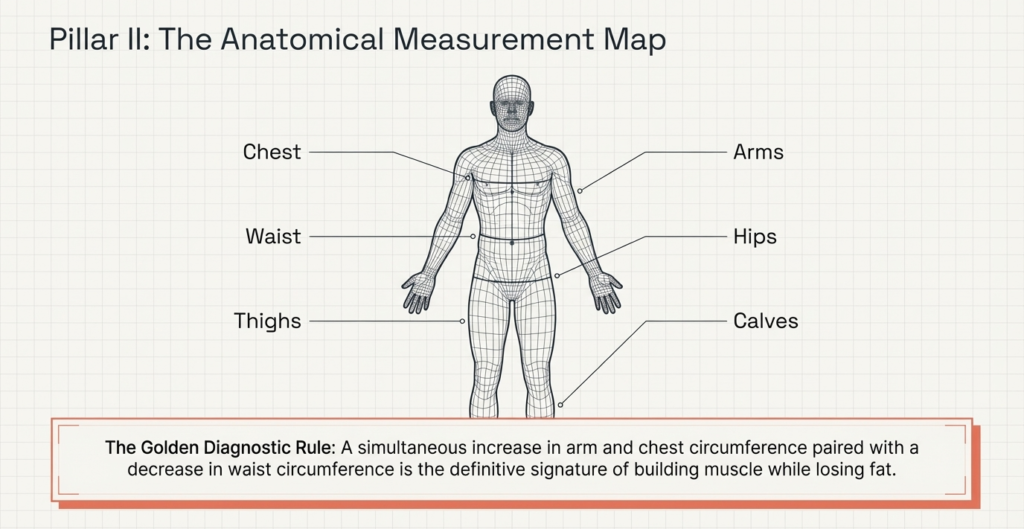
Measuring body circumferences is one of the most effective ways to track changes in size. By monitoring areas like chest, arms, waist, hips, thighs, and calves, you can clearly see where your body is growing or shrinking. An increase in upper body measurements usually indicates muscle gain, while a decrease in waist size signals fat loss. This method provides objective data that helps you differentiate between muscle and fat changes.
Unlike the scale, it gives a more accurate picture of your transformation. Consistent measurements taken under the same conditions allow you to track progress reliably and make better decisions about your training and diet.
Weight Trend Analysis Using Weekly Averages
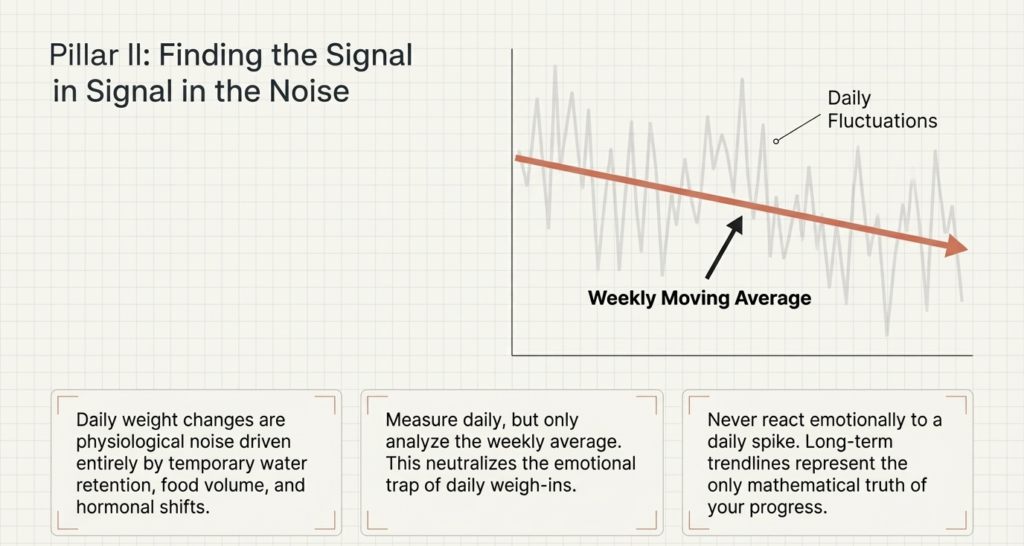
Daily weight fluctuations are normal and influenced by factors like water retention, food intake, and hormones. This is why focusing on a single day’s weight can be misleading. Instead, tracking your weekly average provides a more accurate representation of progress. By analyzing trends over time, you can determine whether you are losing fat, gaining muscle, or maintaining your weight.
This approach removes emotional reactions to daily changes and helps you stay focused on long-term goals. Consistency in tracking is key, as it allows you to identify patterns and make informed adjustments to your fitness plan.
Body Fat Tracking Methods for Fitness Progress
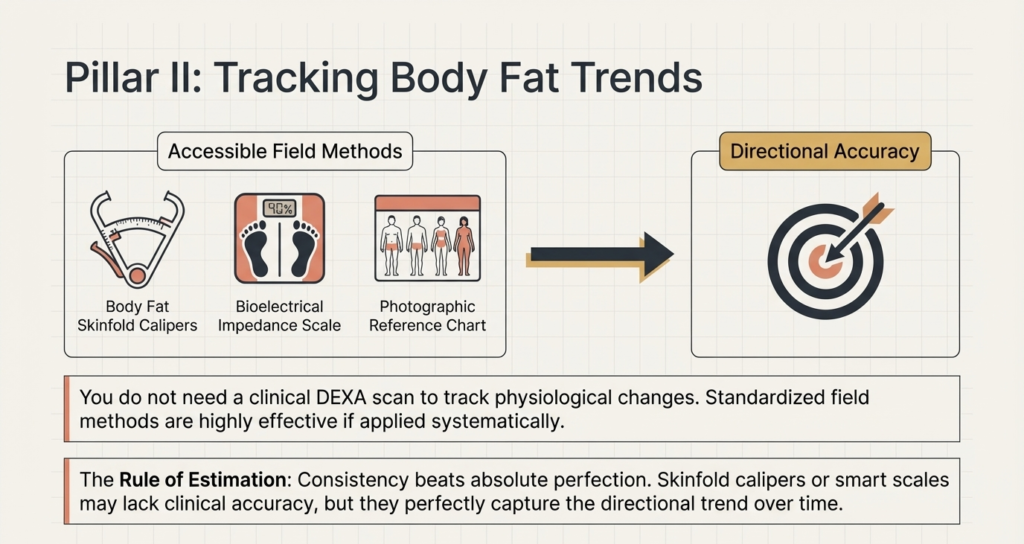
Tracking body fat percentage gives deeper insight into your physique changes. While advanced methods like DEXA scans are highly accurate, they are not always practical. Instead, you can use accessible tools such as skinfold calipers, bioelectrical impedance scales, or visual comparisons. The goal is not perfect accuracy but consistency. When you use the same method regularly, you can track trends over time.
This helps you understand whether your body fat is decreasing while maintaining or building muscle. Combining this data with measurements and photos provides a clearer picture of your overall progress and ensures you are moving in the right direction.
Visual Tracking and Clothing Fit Indicators
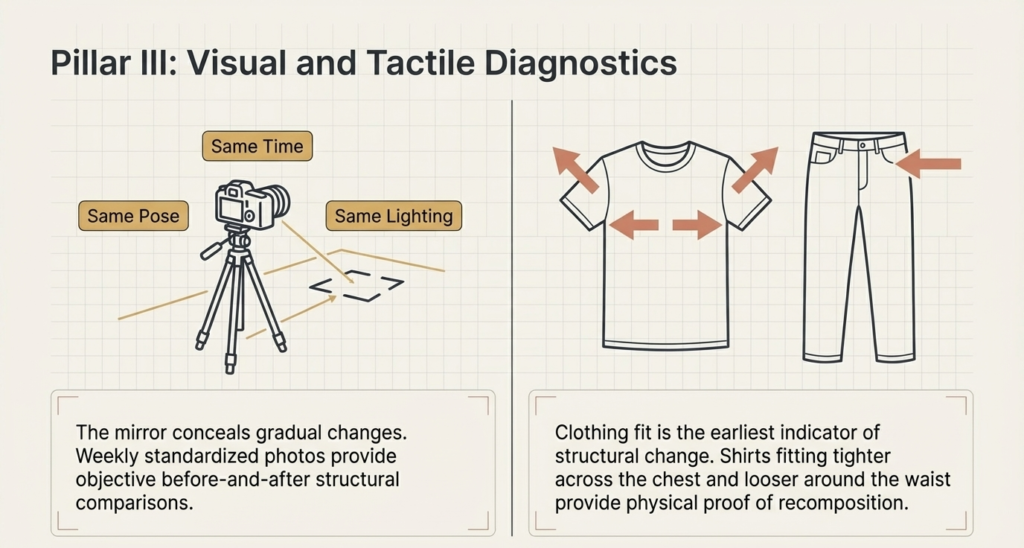
Visual tracking is a powerful way to monitor physical changes that numbers cannot fully capture. Taking weekly progress photos under the same lighting, pose, and timing allows for accurate comparisons. Over time, these images reveal improvements in muscle definition, posture, and fat loss. Additionally, how your clothes fit is a practical indicator of progress. Shirts becoming tighter around the chest and arms suggest muscle gain, while looser waistbands indicate fat loss.
These real-life changes are often noticed before numerical data. Combining visual tracking with other methods provides a complete understanding of your transformation journey.
Fitness Progress Diagnostic Matrix Explained
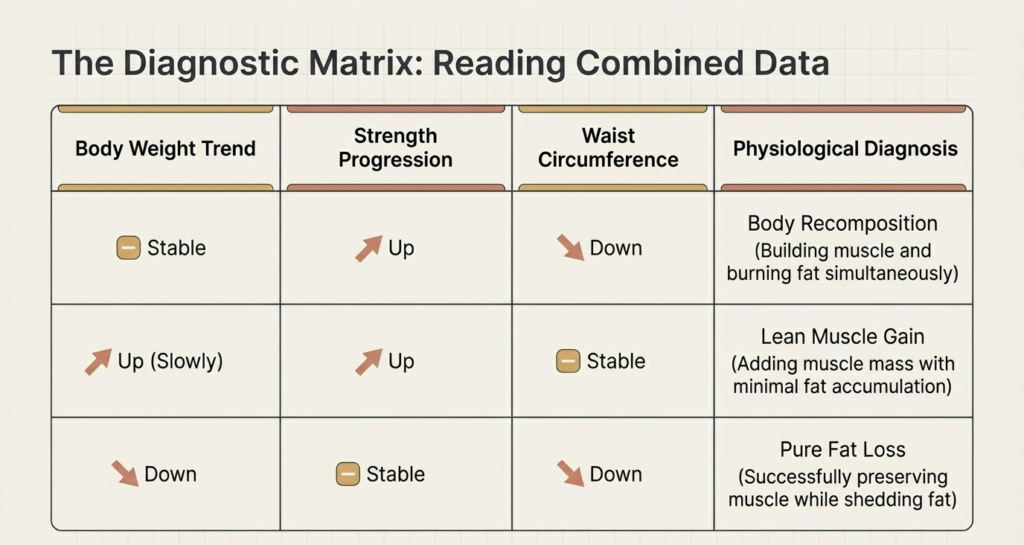
Combining multiple tracking methods gives you a clearer understanding of your progress. A diagnostic matrix helps interpret different data points together, such as weight trends, strength progression, and waist measurements. For example, if your weight remains stable but strength increases and waist decreases, it indicates body recompositing. Similarly, increasing weight with stable waist suggests lean muscle gain.
This approach removes confusion and helps you make better decisions. Instead of relying on one metric, you analyze patterns across multiple variables. This leads to more accurate conclusions and ensures your training and nutrition strategies are aligned with your goals.
Common Fitness Tracking Mistakes to Avoid
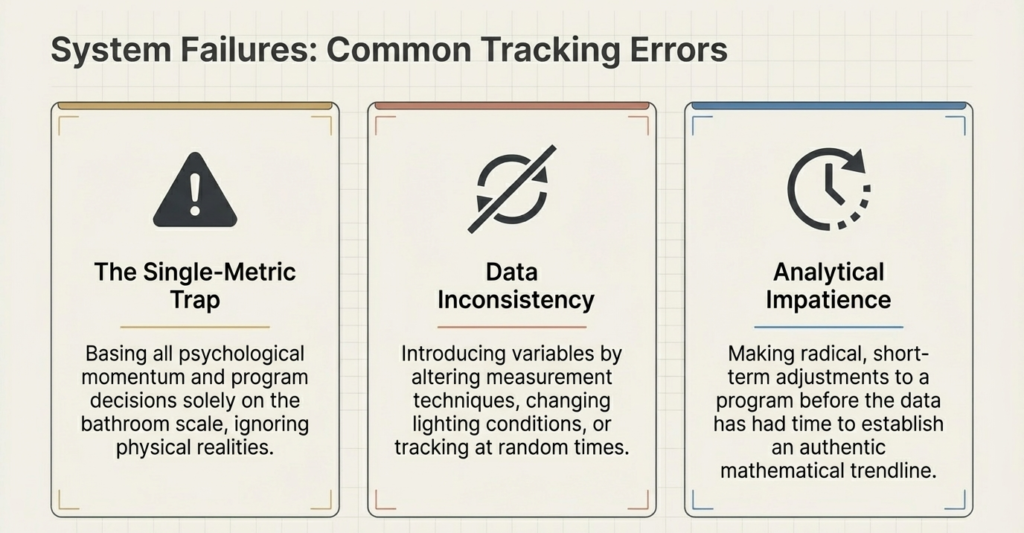
Many people fail to track progress effectively because of common mistakes. One major error is relying on a single metric, usually body weight, which does not reflect true changes. Another mistake is inconsistency, such as changing measurement methods or tracking at random times. This leads to inaccurate data and confusion. Impatience is also a big problem, as people expect quick results and make drastic changes too soon. Real progress takes time and requires consistency.
Avoiding these mistakes ensures that your tracking system remains reliable. This allows you to stay focused, motivated, and confident in your fitness journey
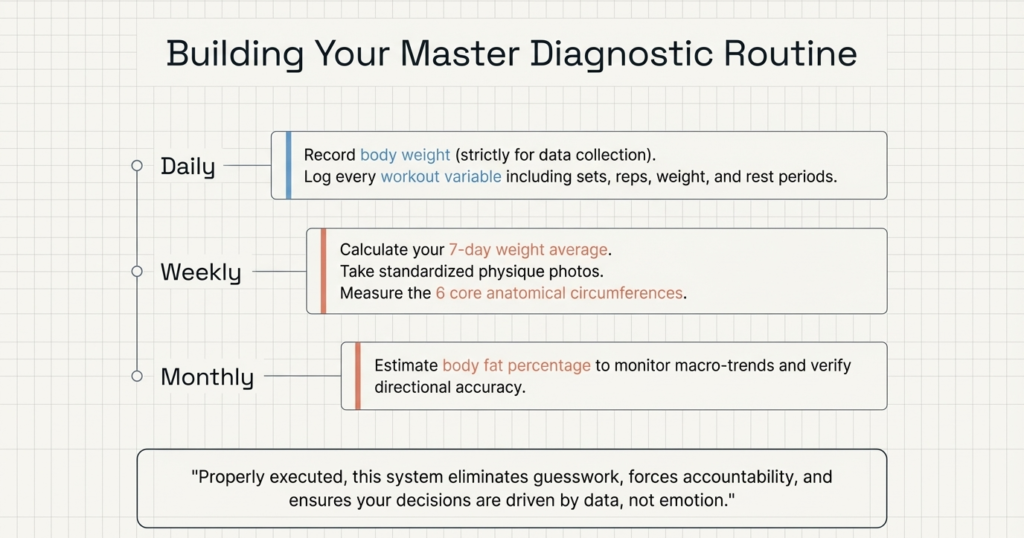
Daily Weekly Monthly Fitness Tracking Routine
Creating a structured tracking routine is essential for consistent progress. Daily tracking should include body weight and workout performance, focusing on data collection rather than judgment. Weekly tracking involves calculating weight averages, taking progress photos, and measuring body circumferences. Monthly tracking can include estimating body fat percentage to monitor long-term trends.
This structured approach ensures that all important aspects of your progress are covered. It eliminates guesswork and provides clear insights into your transformation. By following a routine, you stay disciplined and make decisions based on data rather than emotions, leading to better and more sustainable results.
Read more: https://www.healthline.com/nutrition/body-recomposition#how-it-works

Gearless Physique
Physique Without Gear
Your transformation starts now. Who's with me?