Table of Contents
Toggle5 Proven Tips to Lift Heavy Without Getting Injured
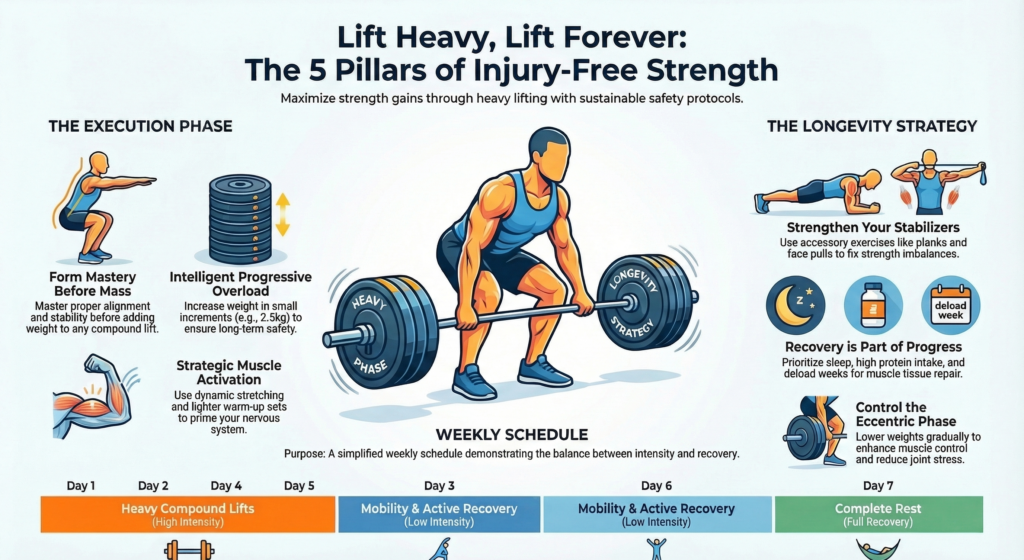
Building strength safely requires combining multiple principles into a single, structured approach. Form mastery ensures proper movement, progressive overload drives growth, and muscle activation prepares the body for heavy loads. Strengthening stabilizers helps maintain balance, while recovery supports muscle repair and long-term progress.
Controlling the eccentric phase improves muscle tension and reduces joint stress. A well-balanced weekly schedule ensures that intensity and recovery are aligned. When all these elements are applied together, they create a system that allows consistent improvement without injury. Strength training is not about quick results but about sustainable progress achieved through discipline, patience, and smart execution.
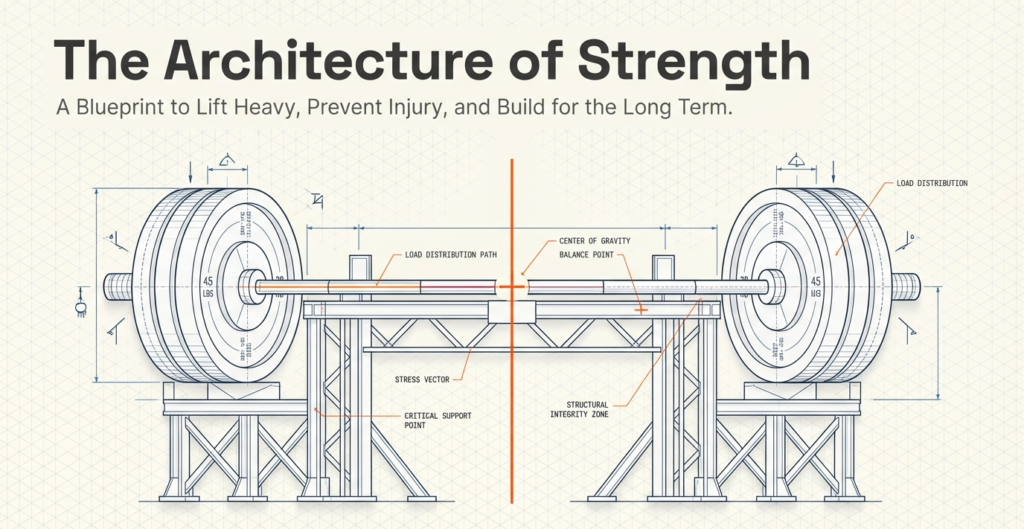
The Architecture of Strength for Safe Heavy Lifting
The foundation of lifting heavy safely begins with understanding structure, alignment, and biomechanics. Strength is not just about how much weight you lift, but how efficiently your body handles that load. Proper spinal alignment, center of gravity control, and leverage positioning are critical for preventing unnecessary strain on joints and ligaments.
When your body moves as a coordinated system, force is distributed evenly, reducing injury risk. Many lifters ignore these fundamentals and jump straight to heavy weights, leading to breakdowns in technique. Building strength like an architect—layer by layer—ensures long-term progress. Mastering these principles allows you to lift heavier over time while staying injury-free.
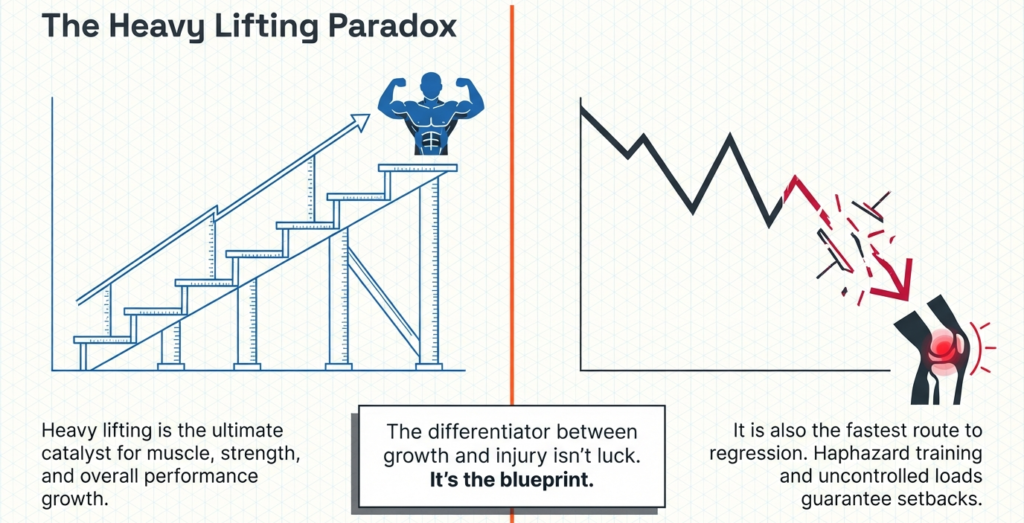
The Heavy Lifting Paradox: Growth vs Injury Risk
Heavy lifting creates a paradox where it can either accelerate progress or cause setbacks depending on execution. When approached correctly, it builds muscle, strength, and performance. However, when done without proper planning or control, it becomes the fastest path to injury. Sudden spikes in intensity, poor form, and lack of recovery often lead to regression instead of growth.
The difference between success and injury lies in discipline and strategy. Lifters who understand progression and respect their limits continue improving, while others face repeated setbacks. Recognizing this balance helps you train smarter, ensuring that every heavy session contributes to long-term strength instead of short-term damage.
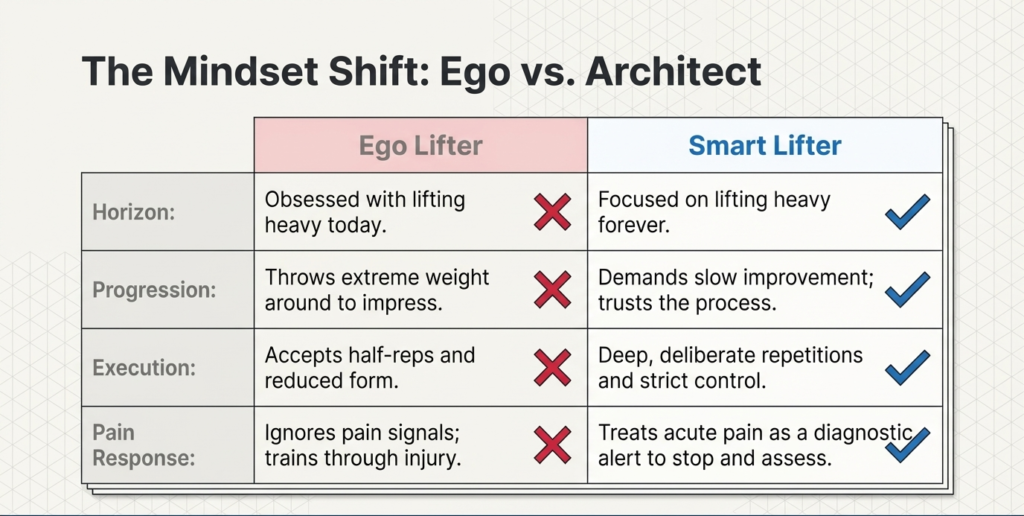
Ego Lifting vs Smart Lifting Mindset Comparison
The mindset you bring into training determines your long-term success. Ego lifters focus on lifting heavy today, often sacrificing form, control, and safety to impress others. This approach leads to poor technique, incomplete repetitions, and higher injury risk. On the other hand, smart lifters prioritize consistency, proper execution, and gradual progress.
They understand that strength is built over time, not in a single session. Listening to the body, respecting recovery, and maintaining discipline separates sustainable progress from burnout. Developing a smart lifter mindset ensures that every workout contributes to growth while minimizing setbacks. True strength comes from patience, not ego-driven decisions.
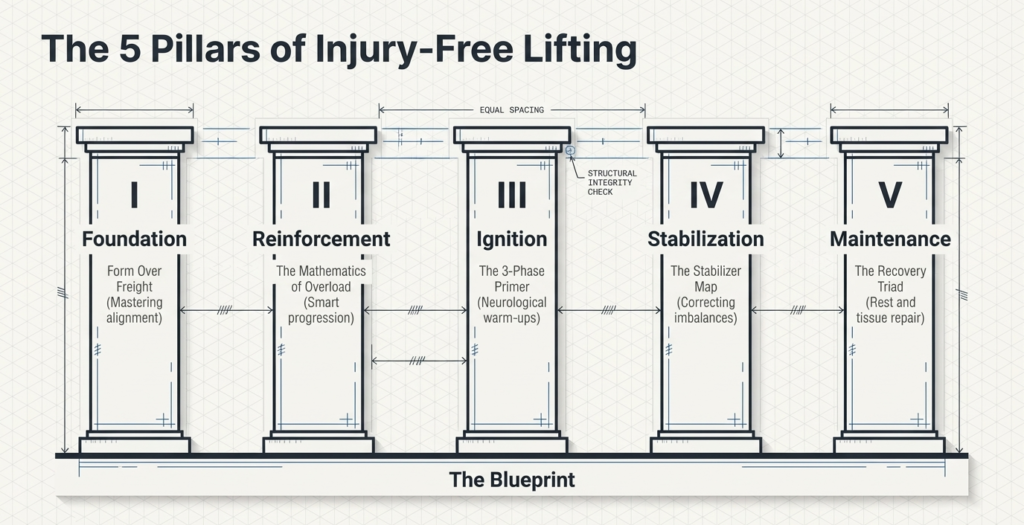
5 Pillars of Injury-Free Heavy Lifting
Injury-free lifting relies on a strong foundation built through five essential pillars: form, progression, warm-up, stabilization, and recovery. Each pillar supports your ability to handle heavy loads safely and efficiently. Ignoring even one of these aspects creates weaknesses that increase injury risk. Proper form ensures correct movement patterns, while progressive overload drives strength gains. Warm-ups prepare the body, stabilization strengthens supporting muscles, and recovery allows growth.
Together, these pillars create a balanced system that supports long-term performance. Lifters who focus on all these elements consistently are able to push heavier weights without compromising safety or sustainability in their training journey.
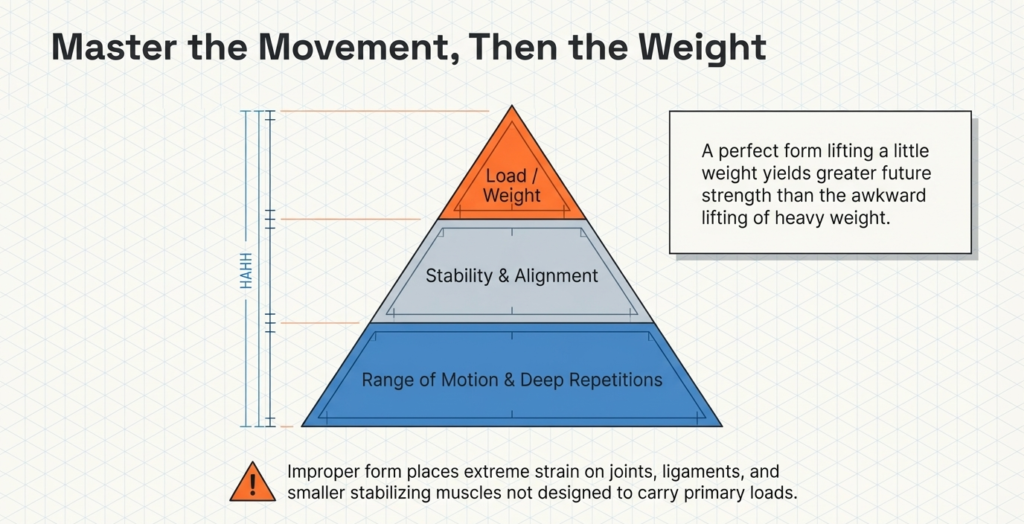
Master Form Before Increasing Weight Pyramid
Mastering movement before adding weight is one of the most important principles in strength training. Proper form ensures that muscles, joints, and stabilizers work together efficiently, reducing unnecessary stress. When lifters rush to increase weight without control, they often compensate with poor mechanics, leading to injuries. Focusing on full range of motion, stability, and alignment builds a strong foundation for future strength. Controlled repetitions help reinforce correct movement patterns, making heavy lifting safer over time.
It is always better to lift lighter weights with perfect technique than to struggle with heavy loads using poor form. This approach guarantees sustainable strength development.
Eccentric Phase Control in Strength Training
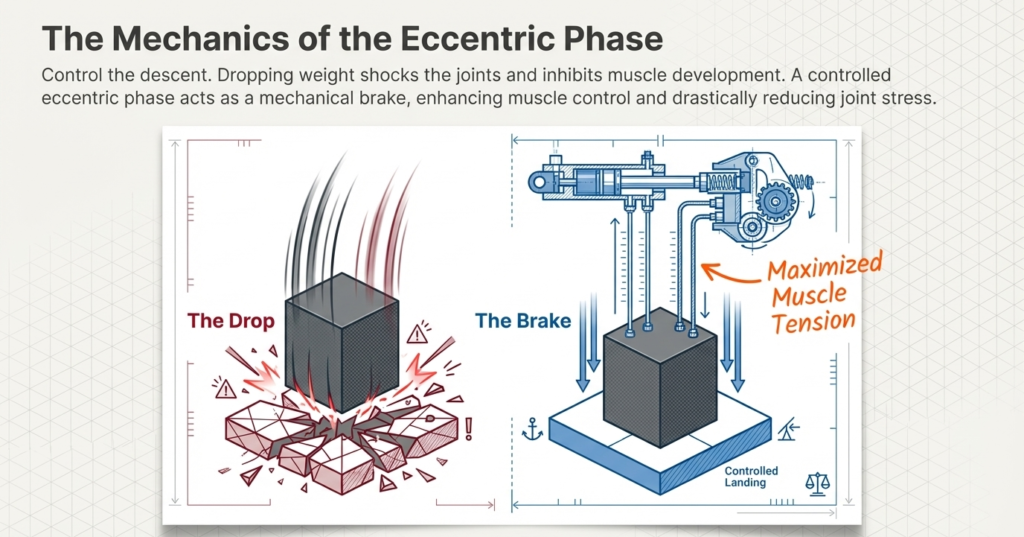
Controlling the eccentric phase of a lift plays a major role in both muscle development and injury prevention. Lowering the weight slowly increases muscle tension, improves control, and reduces stress on joints. Dropping weights quickly, on the other hand, creates unnecessary impact and increases injury risk. A controlled descent acts like a braking system, allowing muscles to absorb force safely. This not only enhances strength but also improves overall lifting technique.
Many lifters overlook this phase and focus only on lifting the weight up, missing out on significant benefits. Prioritizing control during the eccentric phase ensures safer and more effective training sessions
Progressive Overload for Safe Strength Gains
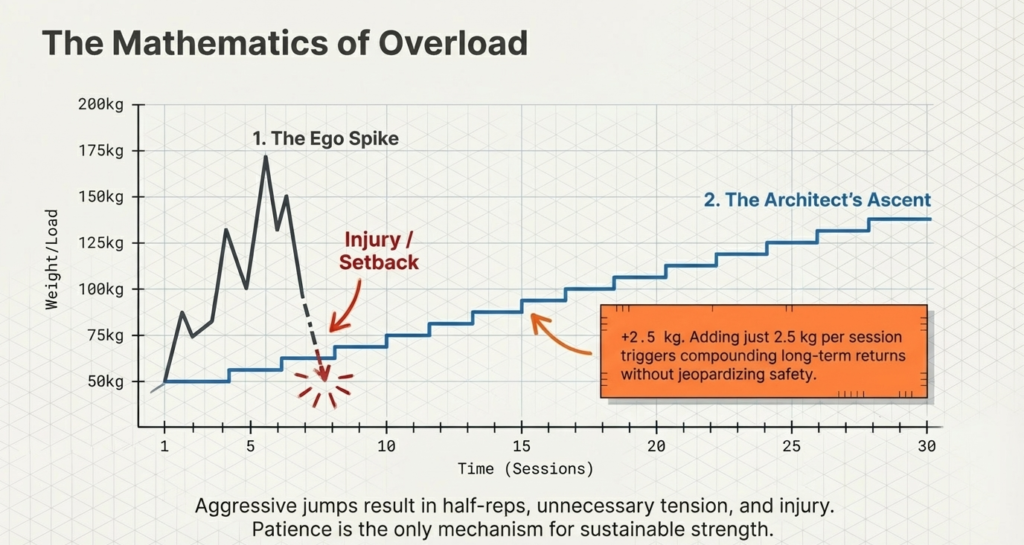
Progressive overload is essential for building strength, but it must be applied with patience and intelligence. Rapid increases in weight often lead to compromised form and higher injury risk. Instead, small and consistent increments—such as adding 2.5 kg—allow the body to adapt safely over time. This gradual approach builds strength steadily while maintaining control and stability. Tracking progress and focusing on improvement in reps, technique, and endurance ensures long-term success.
Ego lifting may provide temporary satisfaction, but it often leads to setbacks. True strength comes from disciplined progression, where consistency and patience outweigh the need for immediate results.
Proper Warm-Up Steps for Heavy Lifting
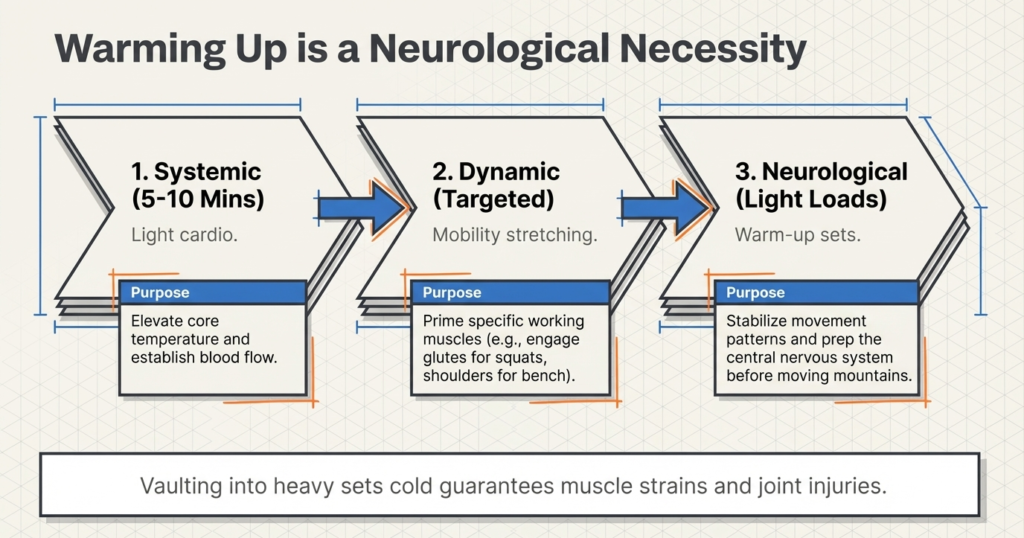
A proper warm-up prepares the body physically and neurologically for heavy lifting. Starting with light cardio increases blood flow and raises body temperature, reducing stiffness. Dynamic stretching and mobility exercises activate key muscles and improve joint range of motion. Warm-up sets with lighter weights help reinforce movement patterns and prepare the nervous system for heavier loads. Skipping this process increases the risk of muscle strains and joint injuries.
A structured warm-up enhances performance, improves stability, and ensures better control during lifts. Treating warm-up as an essential part of training rather than an optional step is crucial for safe and effective heavy lifting.
Strengthening Core and Rotator Cuff for Injury Prevention
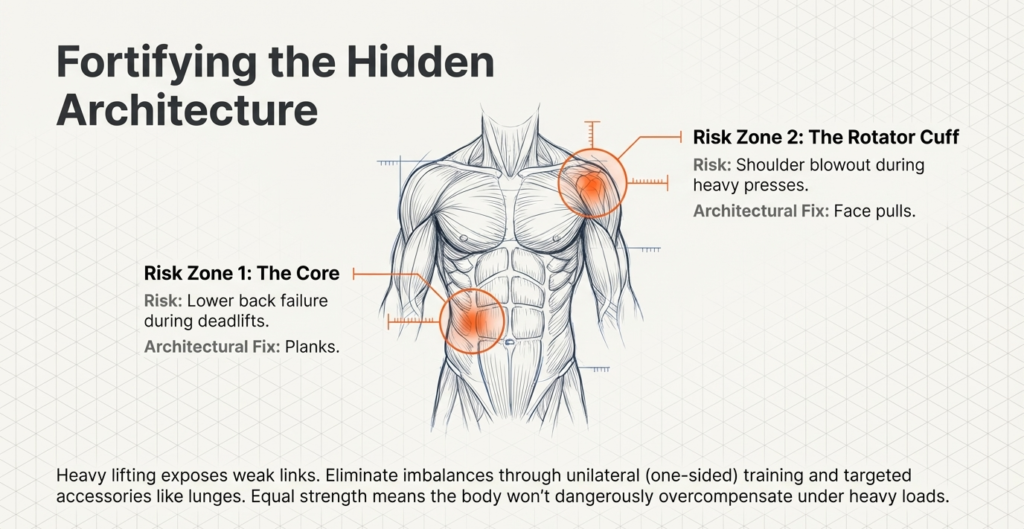
Strengthening supporting muscles is key to preventing injuries during heavy lifting. While primary muscles generate force, stabilizers ensure proper alignment and control. Weak core muscles can lead to lower back strain, while underdeveloped rotator cuffs increase the risk of shoulder injuries. Addressing these weaknesses through accessory exercises like planks, lunges, and face pulls improves overall stability. Unilateral training helps correct imbalances between both sides of the body, reducing compensation patterns.
Balanced strength allows the body to handle heavy loads safely without unnecessary strain. Focusing on these hidden muscles ensures better performance and long-term injury prevention in any strength training program.
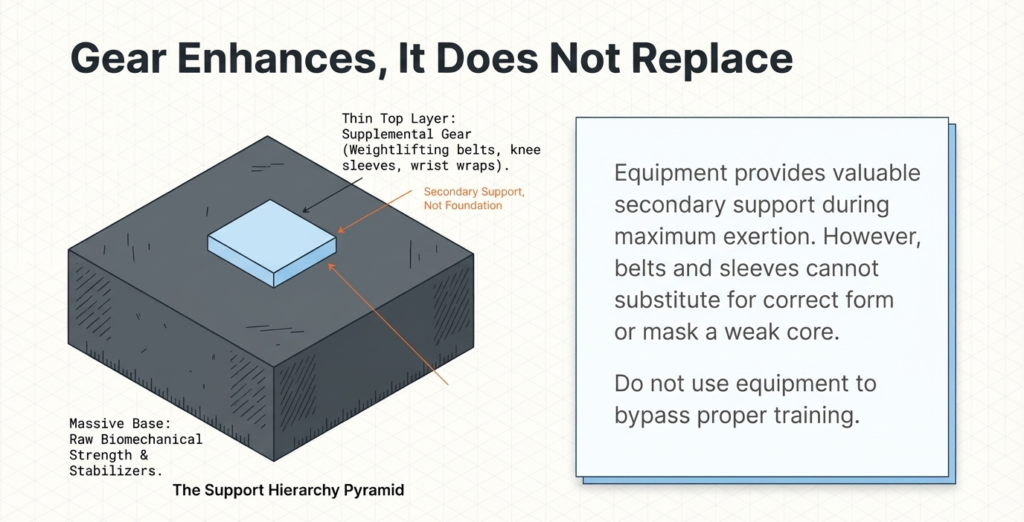
Lifting Gear Supports but Does Not Replace Strength
Lifting equipment such as belts, knee sleeves, and wrist wraps can provide additional support during heavy lifts, but they should never replace proper technique. These tools are designed to enhance stability and reduce strain during maximum effort, not compensate for weak fundamentals. Relying too heavily on equipment without building core strength and correct form can increase injury risk over time. The foundation of strength always comes from proper movement patterns and muscle development.
Equipment should be used strategically as a supplement, not a shortcut. Understanding this balance ensures that lifters gain both strength and safety while training with heavier loads.
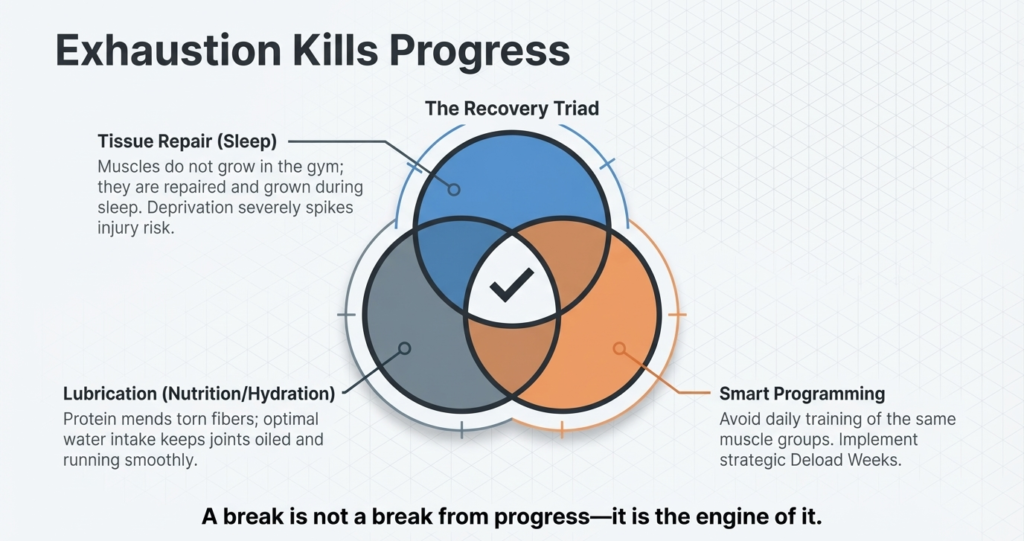
Recovery Triad for Muscle Growth and Injury Prevention
Recovery is the backbone of strength development and injury prevention. The recovery triad—sleep, nutrition, and smart programming—plays a critical role in muscle repair and growth. During sleep, the body rebuilds damaged tissues and restores energy levels. Proper nutrition provides essential nutrients needed for recovery, while hydration keeps joints functioning smoothly. Smart programming ensures adequate rest between sessions, preventing overtraining. Ignoring recovery leads to fatigue, reduced performance, and increased injury risk.
Many lifters focus only on training intensity and neglect recovery, limiting their progress. Prioritizing recovery allows the body to adapt, grow stronger, and handle heavier loads consistently.
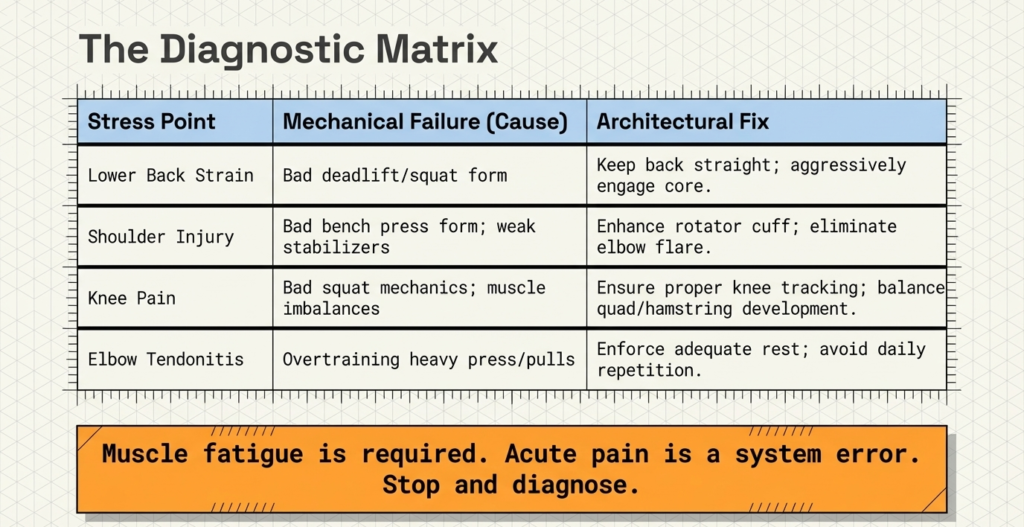
Injury Diagnostic Matrix for Common Lifting Mistakes
Understanding common injuries and their causes is essential for safe training. Lower back strain often results from poor lifting form, while shoulder injuries are linked to weak stabilizers and improper technique. Knee pain usually stems from imbalances or incorrect squat mechanics, and elbow tendonitis is often caused by overtraining. Identifying these issues early allows lifters to make necessary corrections before they become serious problems. Focusing on proper form, balanced muscle development, and adequate recovery helps prevent these injuries.
Awareness and proactive adjustments ensure that training remains safe and effective, allowing continuous progress without unnecessary setbacks.
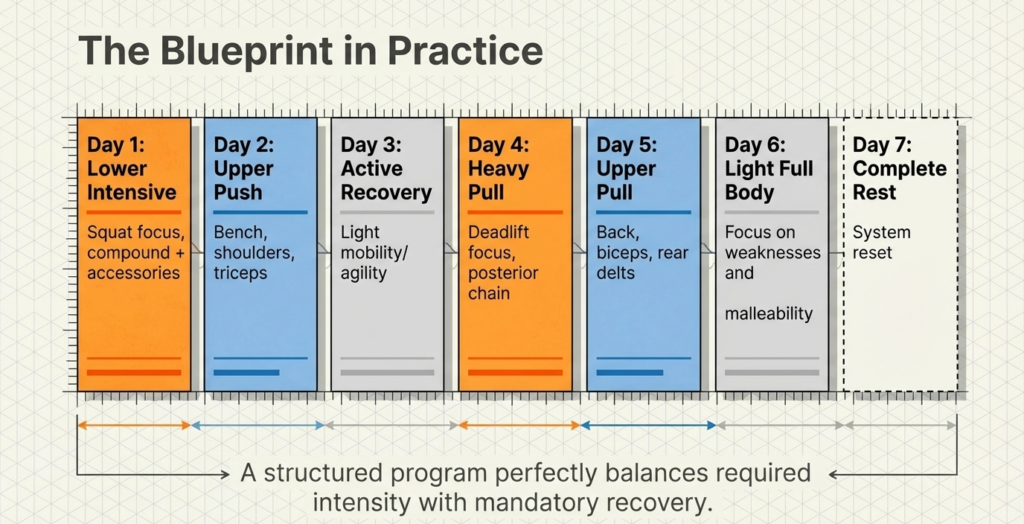
Weekly Heavy Lifting Training Split for Strength and Recovery
A structured weekly training plan is essential for balancing intensity and recovery. Dividing workouts into specific days for lower body, upper push, pull, and recovery ensures that each muscle group gets adequate attention without overtraining. Including rest and active recovery days allows the body to repair and adapt, reducing injury risk. Varying intensity throughout the week prevents excessive fatigue while maintaining progress. This structured approach helps lifters stay consistent and avoid burnout.
Training without a plan often leads to imbalances and overuse injuries. Following a well-designed schedule ensures sustainable strength gains and long-term performance improvements.
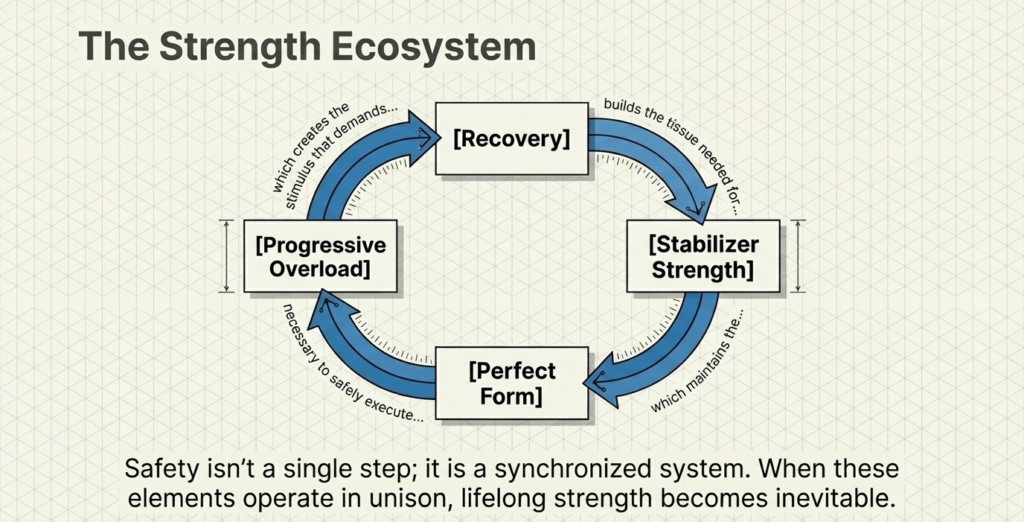
Strength Training Ecosystem for Sustainable Progress
Strength development works as a continuous cycle where multiple elements interact to produce results. Progressive overload challenges the body, recovery rebuilds it stronger, proper form ensures safe execution, and stabilizer strength maintains balance. When these components work together, they create a system that supports long-term growth. Ignoring any part of this cycle disrupts progress and increases injury risk. Many lifters focus only on lifting heavier weights without addressing recovery or technique, leading to setbacks.
Viewing strength training as a complete ecosystem helps maintain consistency, improve performance, and reduce injuries. This balanced approach is key to sustainable and lifelong strength.
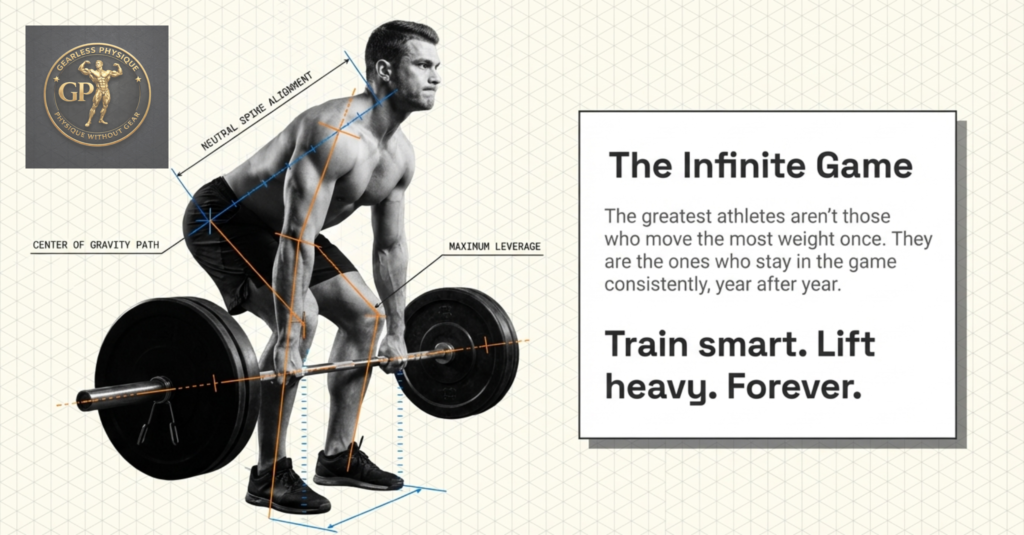
Proper Deadlift Biomechanics for Injury-Free Lifting
Proper deadlift mechanics demonstrate how alignment, leverage, and control come together in heavy lifting. Maintaining a neutral spine, engaging the core, and keeping the bar close to the body ensures efficient force transfer. Incorrect positioning places excessive stress on the lower back and increases injury risk. Understanding body mechanics allows lifters to maximize strength while minimizing strain. Each movement should be controlled and deliberate, with focus on technique rather than just lifting heavier weights.
Mastering these fundamentals ensures safer progression and better performance. Proper biomechanics are the foundation of lifting heavy consistently without experiencing injuries.

Gearless Physique
Physique Without Gear
Your transformation starts now. Who's with me?