Table of Contents
Toggle8 Hydration Rules for Long-Term Fitness Success
This hydration rules for fitness summarizes the essential rules for long-term fitness success. Starting your day with 400–600 ml of water helps reverse overnight dehydration and kickstart metabolism. Avoid waiting for thirst, as it is a late signal of dehydration. Daily intake should be calculated based on body weight, typically 35–45 ml per kilogram.
Hydration timing around workouts is crucial, including pre-workout, intra-workout, and post-workout intake. Electrolytes like sodium, potassium, and magnesium support muscle function and hydration balance. Together, these strategies create a complete system that improves energy, performance, recovery, and overall health. Following this blueprint ensures consistent progress in your fitness journey.
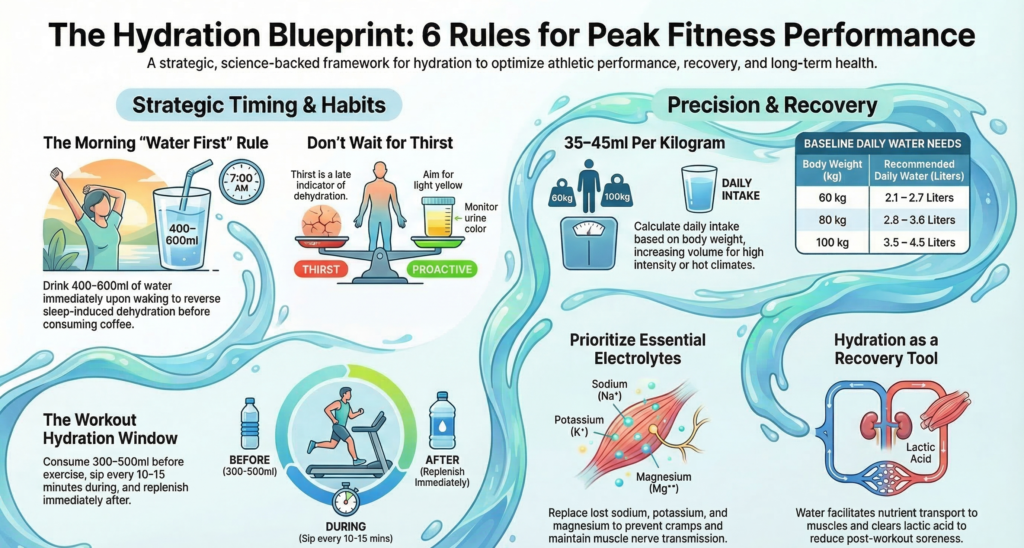
Performance Hydration Protocol for Optimal Body Fluid Balance
Yet most people overlook it. This performance hydration protocol explains how fluid intake, electrolyte balance, and timing work together to support optimal body function. When hydration is properly structured, it enhances circulation, improves nutrient delivery, and stabilizes energy levels throughout the day. Instead of randomly drinking water, following a system ensures consistent hydration. This directly impacts strength, endurance, and recovery.
A well-hydrated body performs efficiently at both cellular and muscular levels. Long-term fitness success depends on maintaining this balance daily, making hydration a strategic tool rather than a passive habit in your fitness journey.
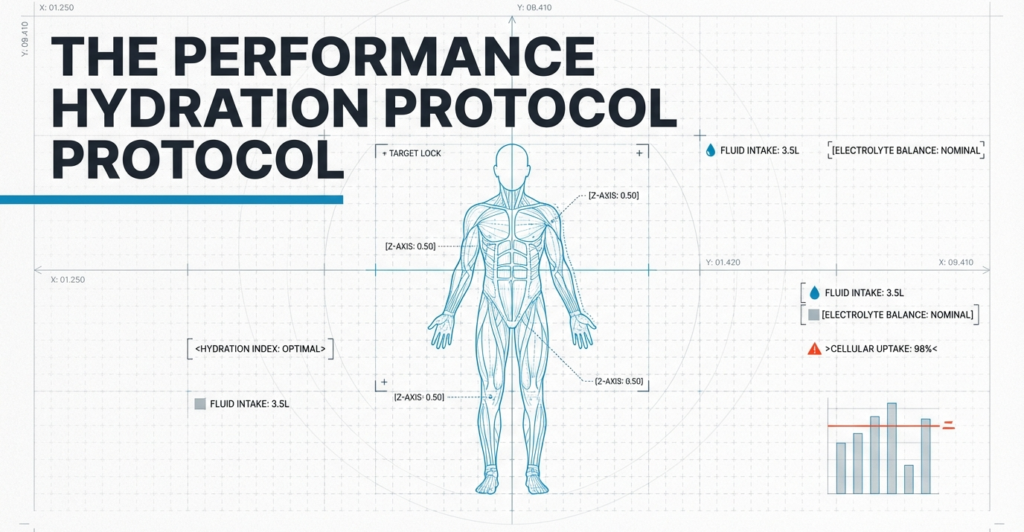
How Dehydration Reduces Performance Before Thirst Signals
This graph highlights a critical truth—performance declines before you even feel thirsty. Thirst is a delayed signal, meaning your body is already dehydrated when it appears. Even a small loss of fluids can reduce strength, endurance, and mental focus. For athletes and fitness enthusiasts, relying on thirst can lead to poor performance and fatigue. Instead, proactive hydration is essential.
Drinking water at regular intervals helps maintain optimal energy and prevents sudden drops in performance. Monitoring hydration levels consistently ensures your body stays in peak condition. Staying ahead of thirst is one of the most important habits for long-term fitness success and sustainable performance improvement.
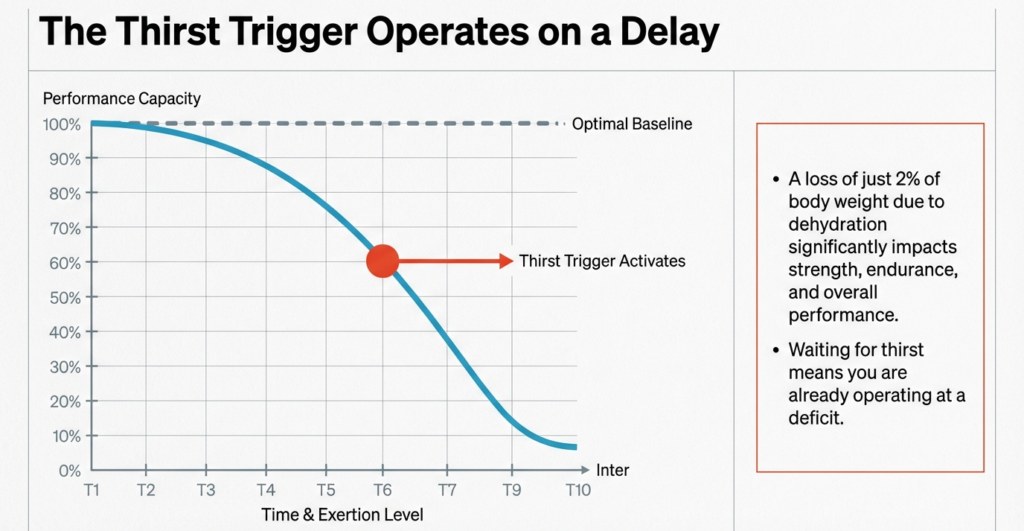
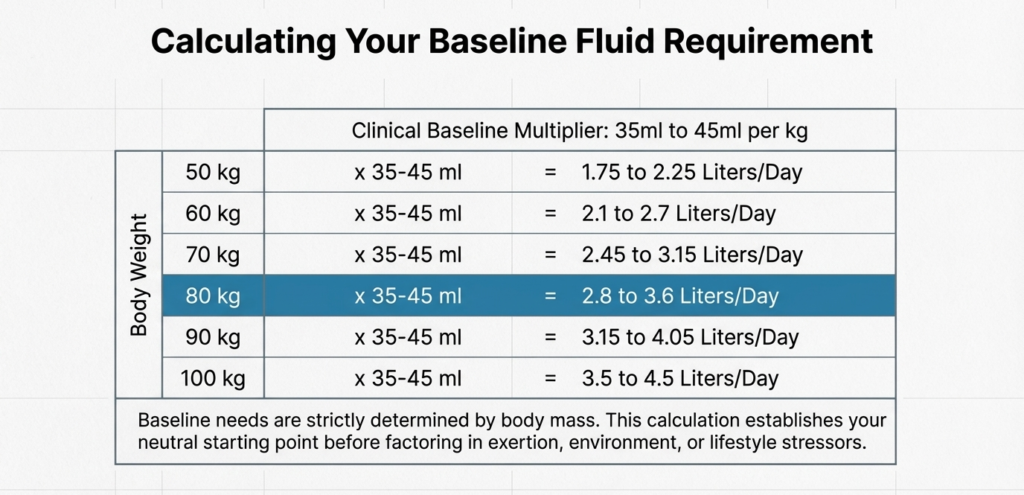
Daily Water Intake Calculation Based on Body Weight
Understanding your daily water requirement is key to proper hydration. This chart shows how water intake should be calculated based on body weight, typically between 35–45 ml per kilogram. For example, an 80 kg individual needs approximately 2.8 to 3.6 liters daily. However, factors like training intensity, climate, and lifestyle can increase this requirement.
This baseline acts as a starting point, not a fixed rule. Adjusting your intake according to your body’s needs ensures better hydration. Personalized hydration helps improve muscle function, energy levels, and recovery. Following this method ensures you stay consistently hydrated and perform at your best over time.
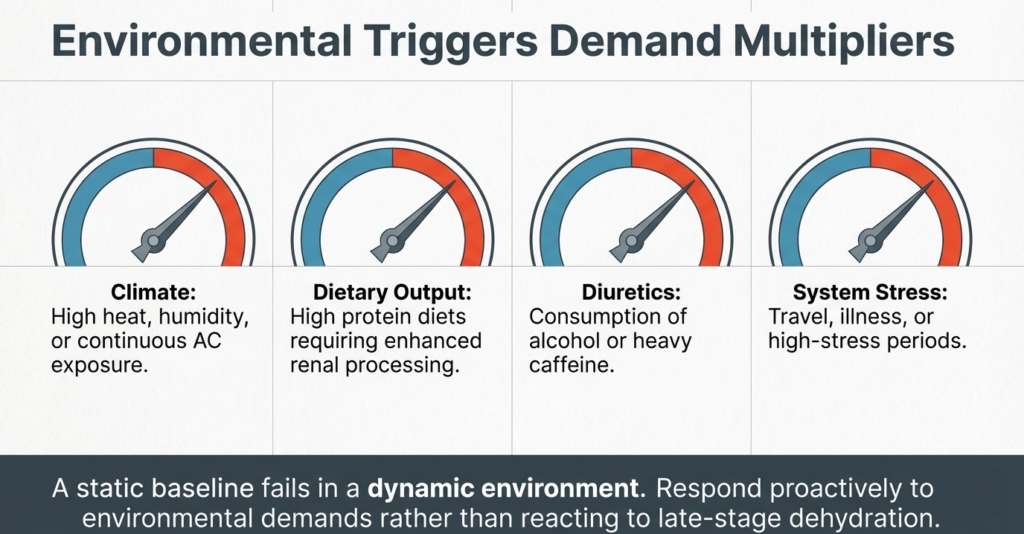
Environmental Factors That Increase Hydration Needs
Hydration rules for fitness needs are not static—they change based on your environment and lifestyle. Factors such as heat, humidity, high-protein diets, caffeine intake, and stress significantly increase fluid requirements. Even air-conditioned environments can silently cause dehydration. Ignoring these factors can lead to fatigue, cramps, and reduced performance. Instead of reacting to dehydration, you should proactively adjust your water intake. Understanding these external influences allows you to maintain proper hydration levels throughout the day.
Adapting your hydration strategy based on your surroundings ensures better endurance, improved recovery, and long-term health. Smart hydration is about awareness and adjustment, not just drinking water randomly.
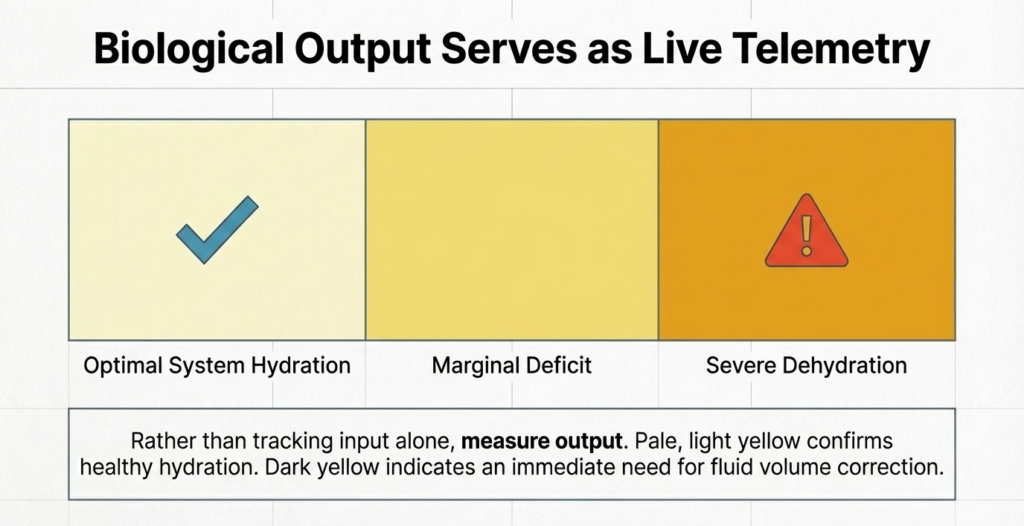
Hydration Levels Measured Through Urine Color Indicators
Your body gives clear signals about hydration status, and urine color is one of the simplest indicators. Light yellow typically represents optimal hydration, while dark yellow signals dehydration. Instead of guessing, monitoring biological output provides real-time feedback. This method helps you adjust your water intake more accurately. Hydration is not just about how much you drink, but how effectively your body uses it. By observing these signals daily, you can maintain balance and avoid performance drops.
This practical approach ensures your hydration strategy remains effective. Consistent monitoring leads to better energy levels, improved recovery, and overall fitness performance over time.
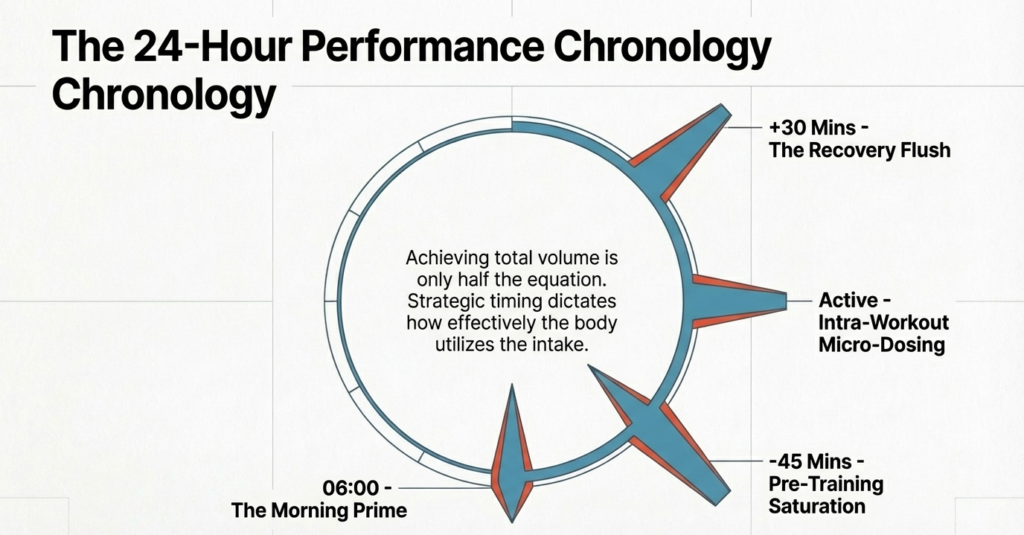
24-Hour Hydration Timing Strategy for Maximum Performance
Hydration timing throughout the day plays a crucial role in performance. This 24-hour hydration strategy shows how distributing water intake improves efficiency. Starting with morning hydration, followed by pre-workout, intra-workout, and post-workout intake, ensures your body stays consistently fueled. Drinking water at the right time enhances absorption and utilization. Instead of consuming large amounts at once, spreading intake helps maintain balance.
This structured approach improves endurance, reduces fatigue, and supports recovery. Proper timing ensures your body remains hydrated when it needs it most. Strategic hydration throughout the day leads to better performance and long-term fitness success.
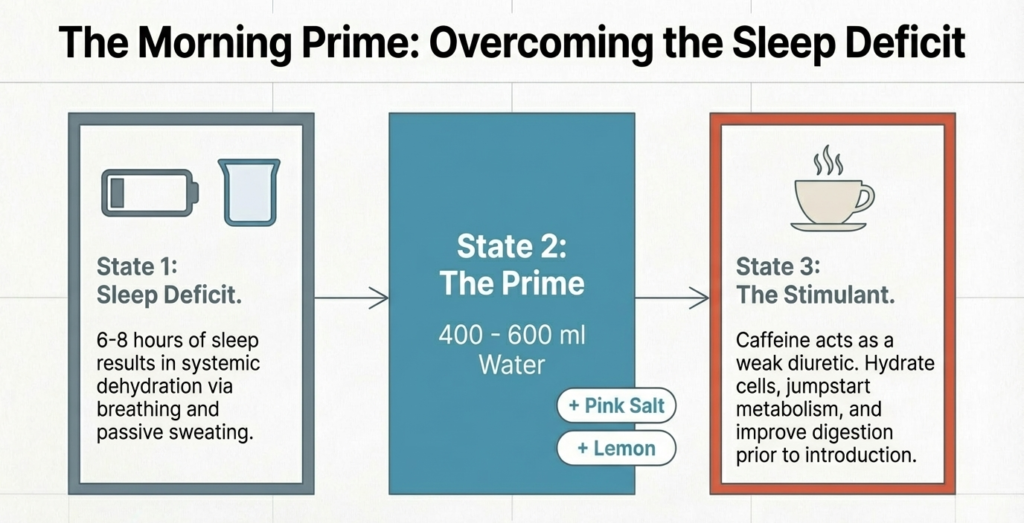
Morning Hydration Routine to Boost Metabolism
Morning hydration is one of the most important habits for fitness success. After 6–8 hours of sleep, your body is naturally dehydrated. Drinking 400–600 ml of water upon waking helps restore fluid balance, activate metabolism, and improve digestion. Adding lemon or a pinch of salt can enhance electrolyte balance. Avoid starting your day with coffee immediately, as caffeine can increase dehydration.
Hydrating first prepares your body for the day ahead. This simple habit improves energy levels, mental clarity, and overall performance. Consistent morning hydration sets the tone for better daily hydration and long-term fitness results.
Pre-Workout Hydration Strategy for Strength and Endurance
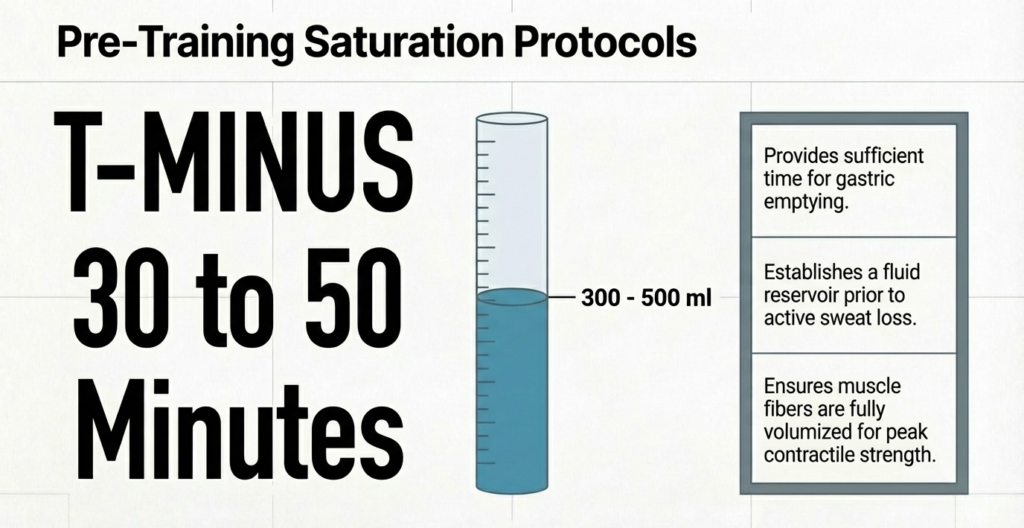
Pre-workout hydration prepares your body for optimal performance. Drinking 300–500 ml of water 30–50 minutes before training ensures proper fluid balance and muscle readiness. This helps improve strength, endurance, and blood flow during exercise. Adequate hydration before workouts also reduces the risk of cramps and fatigue. It creates a fluid reserve that supports sweating and temperature regulation. Without proper hydration, performance declines quickly.
This simple step enhances workout efficiency and prevents early exhaustion. Making pre-workout hydration a habit ensures better training results and supports long-term fitness progress through improved consistency and performance.
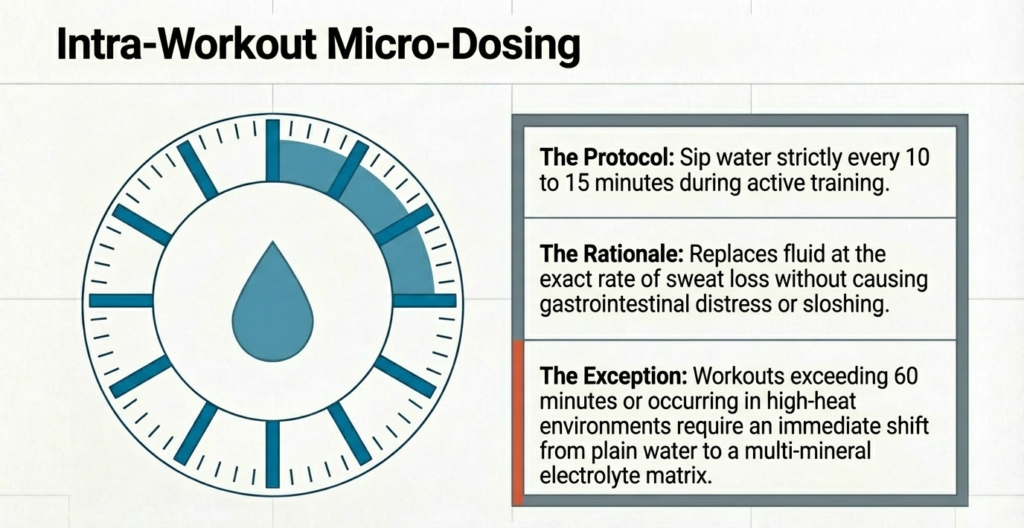
Intra-Workout Hydration Micro-Dosing Strategy
During workouts, hydration should be consistent and controlled. Instead of drinking large amounts at once, sipping water every 10–15 minutes helps maintain balance. This micro-dosing approach prevents dehydration without causing discomfort or bloating. It ensures steady fluid replacement as you sweat. For longer or intense sessions, adding electrolytes becomes essential to maintain mineral balance. Proper intra-workout hydration improves endurance, delays fatigue, and supports muscle function. It also helps regulate body temperature.
Staying hydrated during training ensures better performance and reduces the risk of injury. This strategy is essential for maximizing workout efficiency and long-term fitness success.
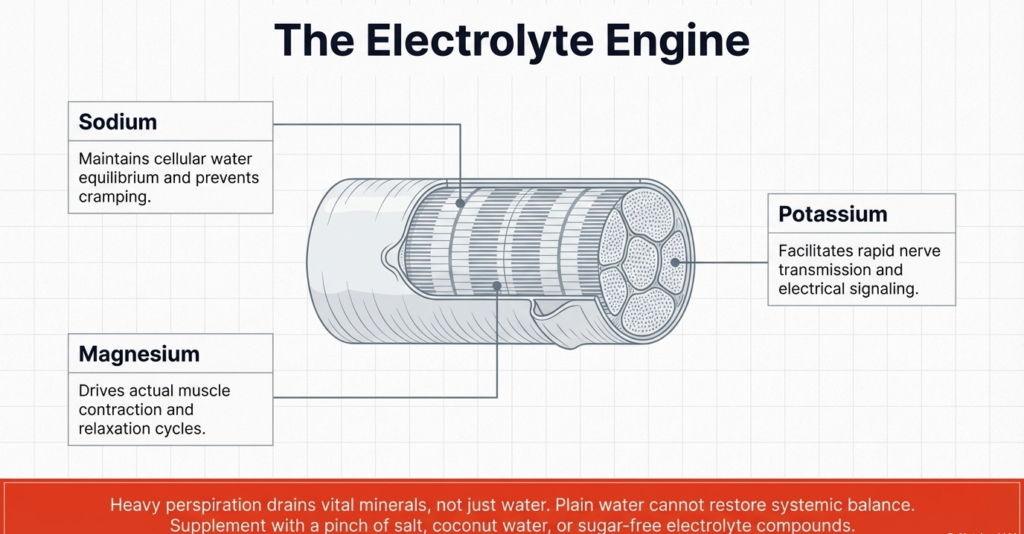
Electrolyte Balance for Muscle Function and Hydration
Electrolytes play a critical role in hydration and performance. Sodium, potassium, and magnesium are essential for muscle contraction, nerve signaling, and fluid balance. When you sweat, you lose these vital minerals, which can lead to cramps and fatigue. Water alone is not always enough during intense training. Replenishing electrolytes helps maintain proper hydration at the cellular level. Natural sources like coconut water or adding a pinch of salt can help restore balance.
Proper electrolyte intake supports endurance, improves recovery, and enhances overall performance. Ignoring electrolytes can limit results, even if your water intake is sufficient.
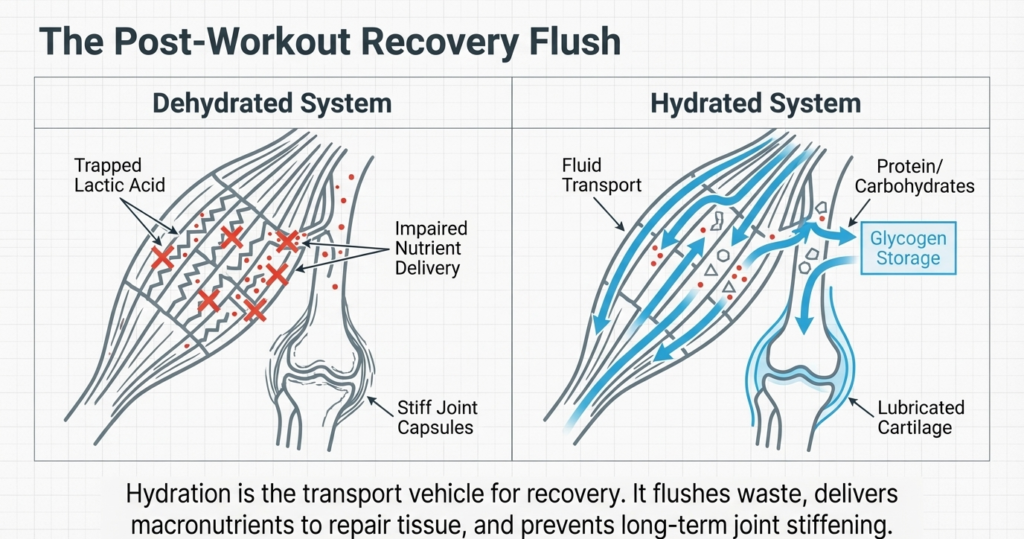
Post-Workout Hydration for Muscle Recovery and Nutrient Transport
Post-workout hydration is essential for recovery and muscle repair. After training, your body loses fluids and accumulates waste products like lactic acid. Proper hydration helps flush out these toxins and improves nutrient delivery to muscles. It also supports glycogen replenishment when combined with carbohydrates and protein. Staying hydrated reduces muscle soreness and accelerates recovery. It also helps lubricate joints, preventing stiffness and injury.
Recovery is not just about rest—it depends heavily on hydration. Consistent post-workout hydration ensures your body repairs efficiently and prepares for the next session, leading to better long-term fitness results.
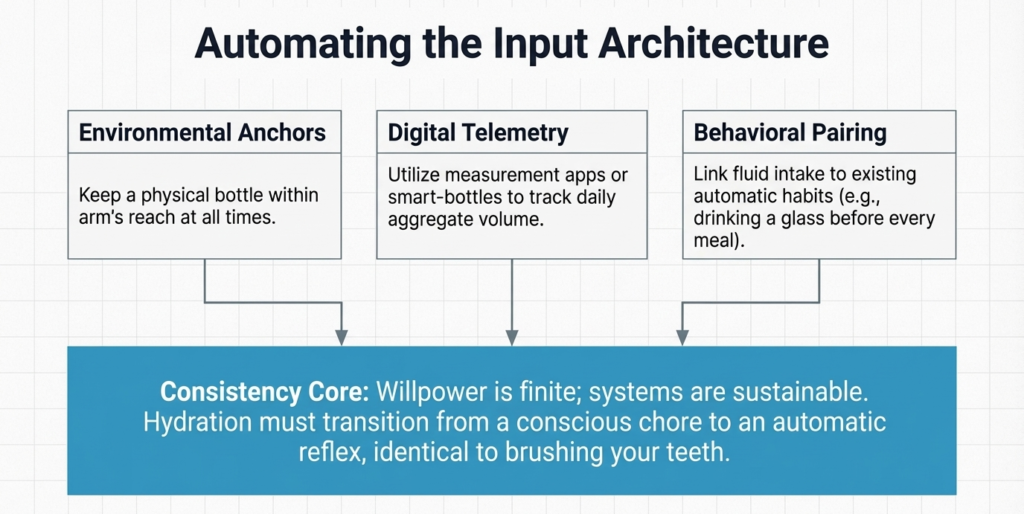
Hydration Habit System for Long-Term Consistency
Building a sustainable hydration habit requires a system, not just motivation. Using environmental cues, tracking tools, and habit pairing can make hydration automatic. Keeping a water bottle nearby, using apps, or linking water intake to meals helps create consistency. Willpower alone is not enough for long-term success. Systems ensure that hydration becomes part of your daily routine. Over time, this habit becomes effortless, just like brushing your teeth.
Consistency in hydration leads to improved energy, better digestion, and enhanced performance. Developing a structured approach ensures you stay hydrated every day without relying on reminders or discipline alone.
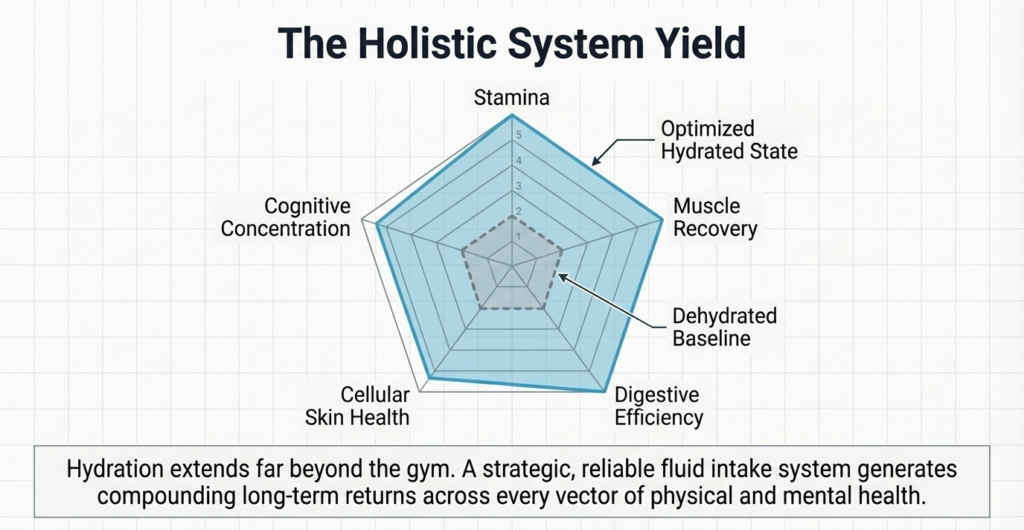
Hydration Impact on Performance, Recovery, and Health
Hydration impacts multiple aspects of health and performance. This chart shows improvements in stamina, recovery, digestion, skin health, and cognitive function with proper hydration. When the body is well-hydrated, every system functions more efficiently. Energy levels remain stable, recovery improves, and mental clarity increases. Dehydration, on the other hand, negatively affects all these areas.
Hydration is not limited to workouts—it influences overall well-being. Maintaining consistent water intake creates long-term benefits across physical and mental health. This holistic impact makes hydration one of the most powerful yet overlooked tools for achieving sustainable fitness success.
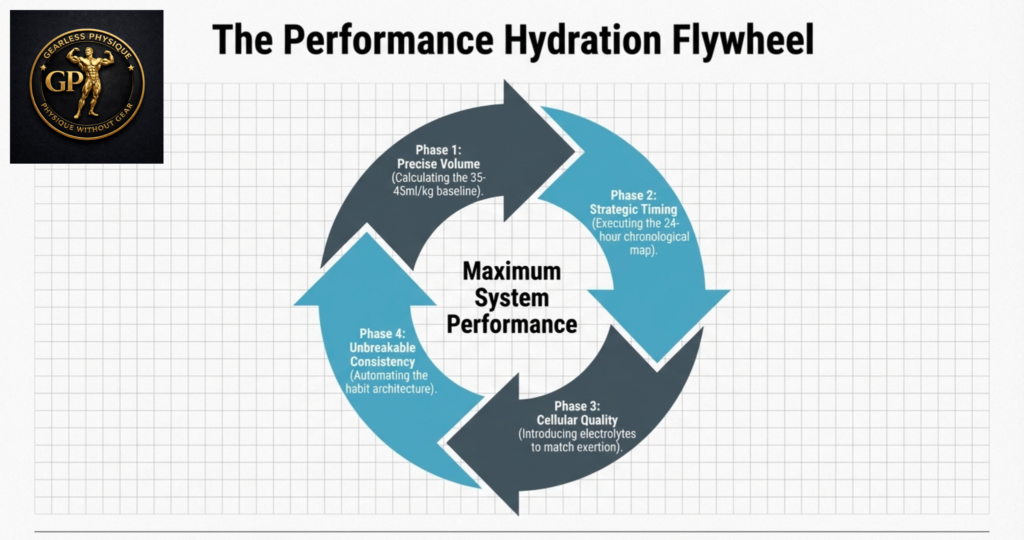
The Performance hydration flywheel
The hydration flywheel represents a complete system for long-term success. It combines volume, timing, electrolyte balance, and consistency into a continuous cycle. Each phase supports the next, creating a powerful feedback loop that enhances performance. When hydration becomes structured, it leads to maximum system efficiency. This approach ensures your body remains energized, recovers faster, and performs better. Instead of focusing on isolated habits, this model emphasizes integration.
Consistent hydration habits build momentum over time, leading to lasting results. This flywheel concept highlights that hydration is not a one-time action but a continuous process for peak fitness.
Read more: https://pmc.ncbi.nlm.nih.gov/articles/PMC8336541/

Gearless Physique
Physique Without Gear
Your transformation starts now. Who's with me?