Table of Contents
Toggle10 Ultimate Fat Loss Facts: Cardio vs Weights Explained
This infographic compares cardio and weight training to present the 10 Ultimate Fat Loss Facts Cardio vs Weights Explained. It explains that cardio burns more calories during exercise, while weight training boosts metabolism through a higher post-exercise “afterburn” effect. A key takeaway is that fat loss ultimately depends on maintaining a calorie deficit, regardless of the method used. The visual emphasizes the importance of muscle retention, highlighting that strength training helps preserve lean mass and improve body composition. It also recommends a hybrid approach, combining 3–5 weight sessions with 2–3 cardio sessions weekly. Overall, consistency, proper nutrition, and balanced training are shown as the most effective strategy for sustainable and long-term fat loss success.
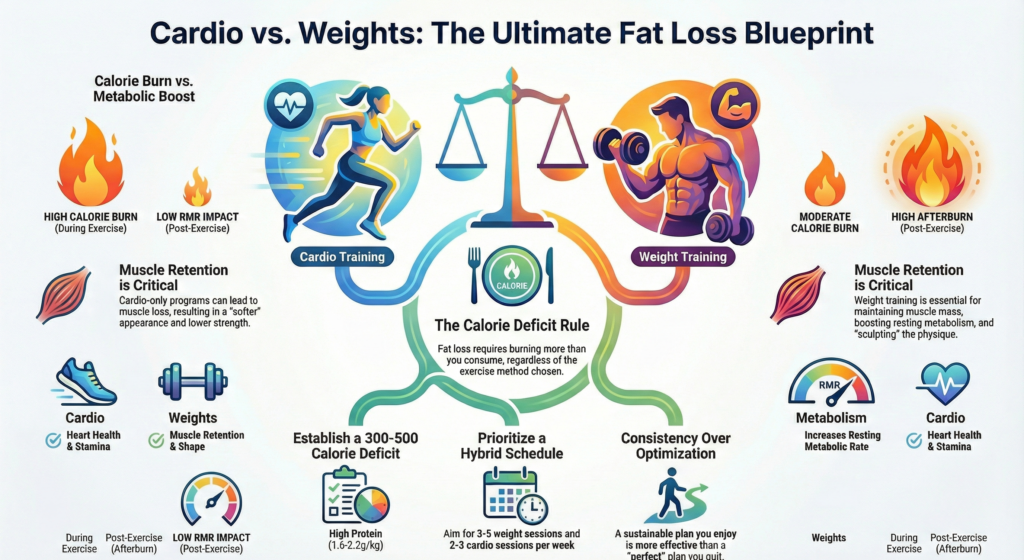
Top 10 Facts of Fat Loss Cardio vs. Weights
In this blog, 10 key fat loss facts between cardio and weight training have been broken down, so that you can use them to make more intelligent decisions to achieve long-term outcomes. One of the most misconceived fields of fitness is fat loss. There is a common misconception that many individuals to this day feel that the only thing that can help burn the fat is a never-ending cardio, and others highlight that weight lifting is the best. The truth is more nuanced. I am a natural physique coach and as such, I have had my clients change through both methods when done right.
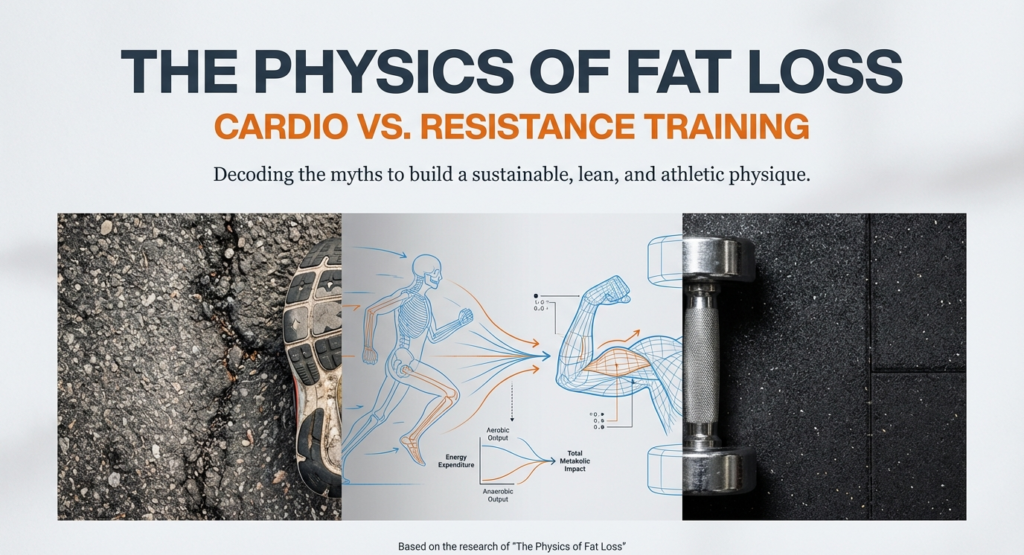
1. The false dichotomy of fitness
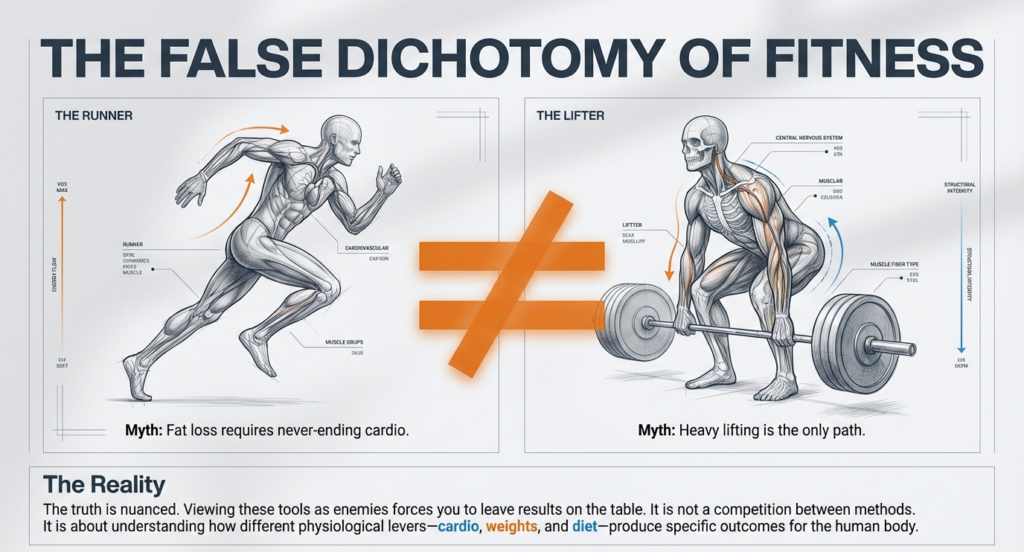
The notion that it is possible to lose fat by either doing cardio or heavy lifting is a fallacy. Some individuals are of the opinion that endless cardio is the best method of burning fat whilst others maintain that weight lifting is the best method. The fact is that both of the methods have different physiological functions. The benefits of cardio are that it burns more calories and maintains the health of the heart, whereas resistance training maintains the muscle and maintains the metabolic rate.
These tools complement each other when used with correct nutrition as opposed to competing. Sustainable fat loss involves one learning how to combine cardio, strength training and diet– not treating them as two different parties in a fitness fight.
2. The non-negotiable rule: energy balance
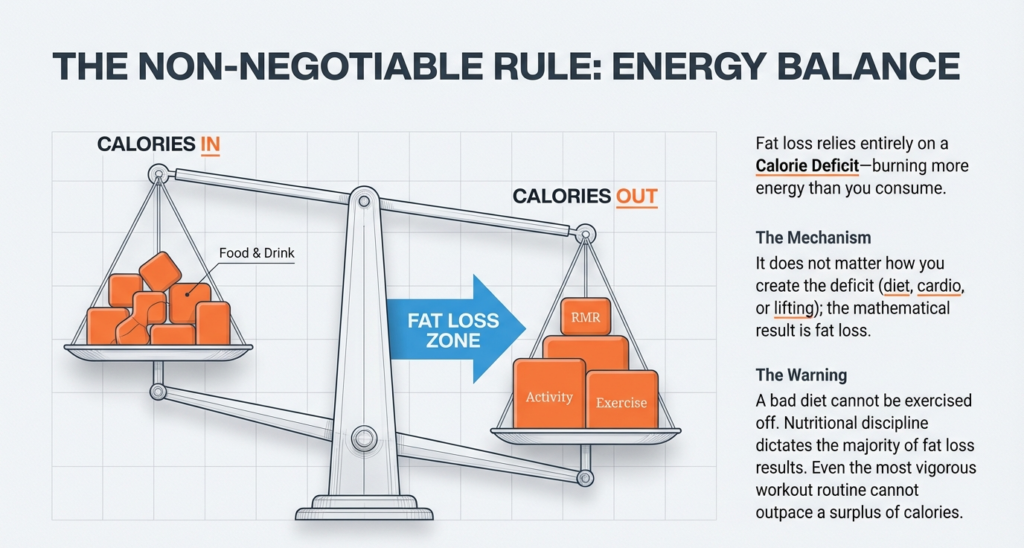
The biggest fat loss rule is nothing more simple than burning more calories than you take. This is referred to as a calorie deficit. It does not matter how you do set that deficit; be it cardio, weight training, diet, or a combination of all three, the end result is a fat loss. Cardio will utilize more calories in the workout, but weight training burns calories and maintains muscle. What matters is not which one you pick but how each of them helps you in your calorie deficit plan.
3. Heated up More Burns More calories in the workout
Conventional steady-state cardio jogging, cycling or rowing burns a considerable amount of calories in the process. When you come to think of an hour of moderate cardio compared to an hour of weight lifting, in the case of cardio, you usually burn more calories than when lifting the weight. Nevertheless, the amount of calories used up during the workout is just one side of the coin. What you do after your session is also important particularly in respect to metabolism and muscle retention.
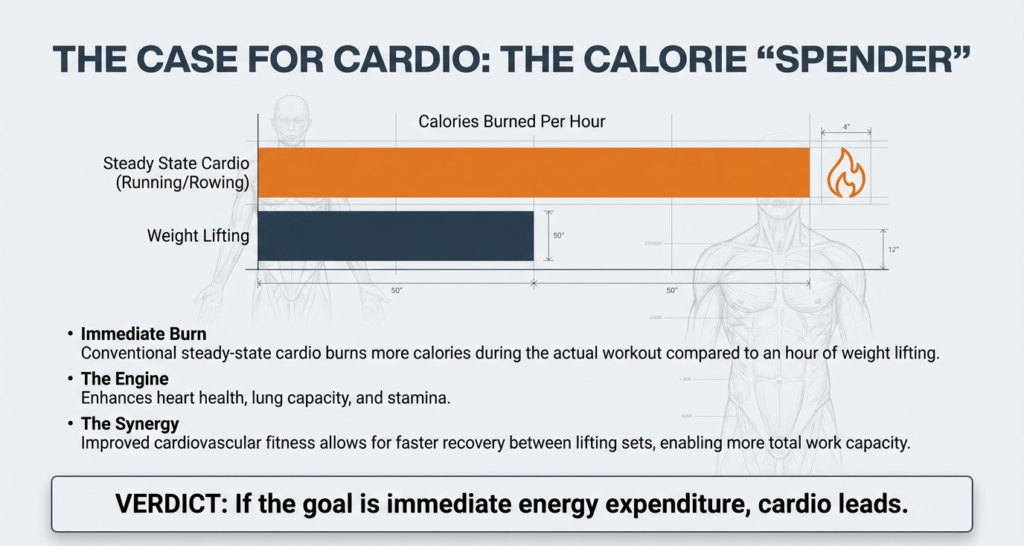
4. Weight Training Enhances Resting Metabolic rate
Muscle tissue is metabolic in nature, i.e. it consumes calories even when you are resting. Exercise muscular strength is akin to gaining and maintaining muscle weight, which can occasionally raise your resting metabolism with time. Although the gain is not so much, the saving of muscle in a fat loss stage would mean your metabolism will not go too low. Excessive dieting or cardio may cause muscle depletion and reduce the long-term gains and re-gain fat more easily.
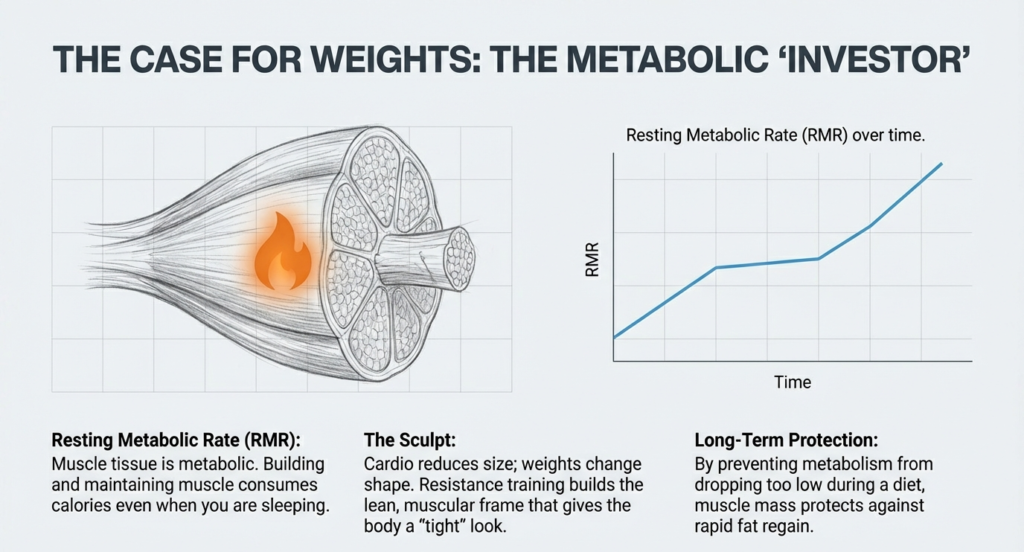
5. The skinny fat trap
When you use cardio exclusively and drop the amount of calories significantly the body can begin to dig into the muscle tissue as well as the fat. This is very prevalent in case of low protein intake and absence of resistance training. Loss of muscle does not only make you lose your bodies, but it also lowers your strength and metabolism. This is the reason as to why most individuals appear smaller yet softer following extreme fat loss programs which are based on cardio.
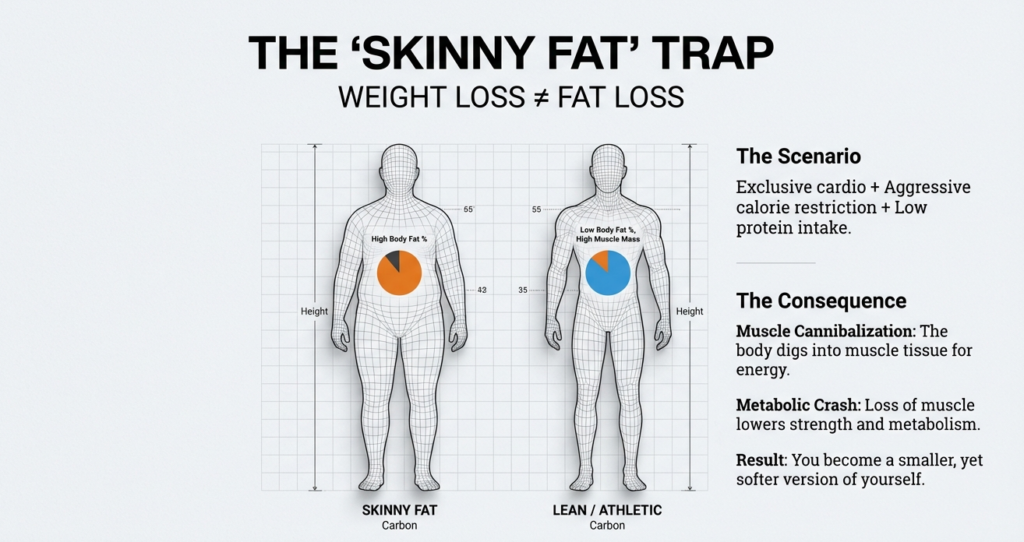
6. Weight Training Enhances Hormonal Balance
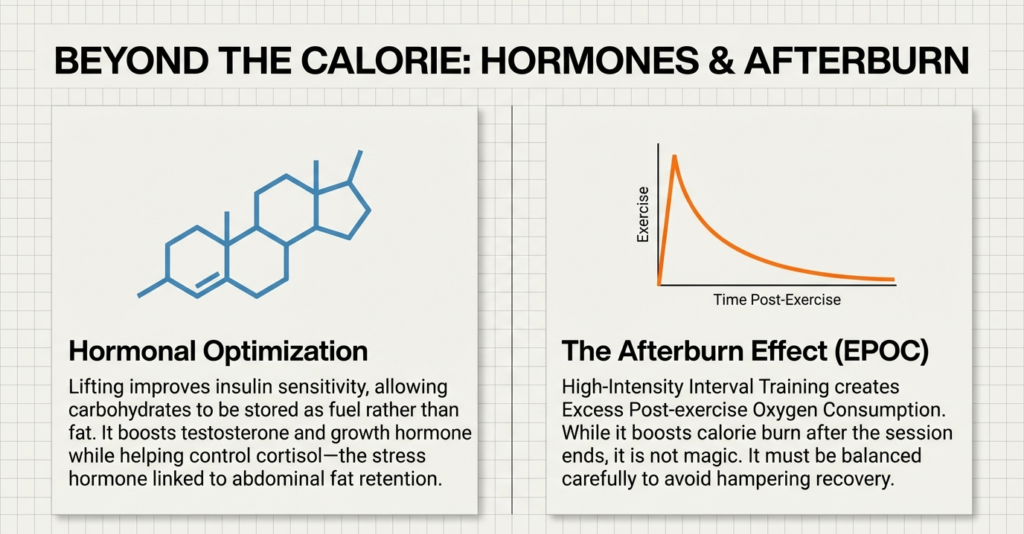
Resistance training has a beneficial effect on hormones such as testosterone, growth hormone, and insulin sensitivity. Increased insulin sensitivity allows the carbohydrates to be more effectively stored by your body so that you are less likely to build excess fat. Also, weight training may be used to control stress hormones. Constant stress due to over-training of the heart, or excessive dieting can increase cortisol, and this can increase fat-retention especially in the abdomen.
7. HIT Cardio Enhances Afterburn Effect.
High-Intensity Interval Training (HIIT) raises your heart rate to great heights and may boost post-exercise oxygen consumption (EPOC). This is because even after the exercise ends, your body will keep burning decidedly more calories. The afterburn effect is not magic and may help to burn up more calories. Nevertheless, excessive HIIT may cause stress and hampering of recovery particularly when coupled with severe weight lifting.
8. The Verdict
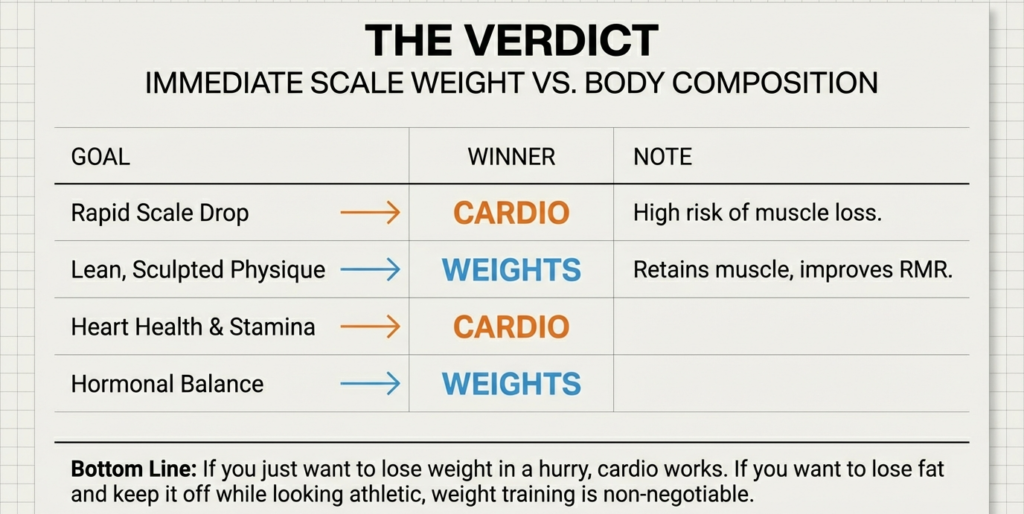
9. The most effective is a combination of Cardio and Weights
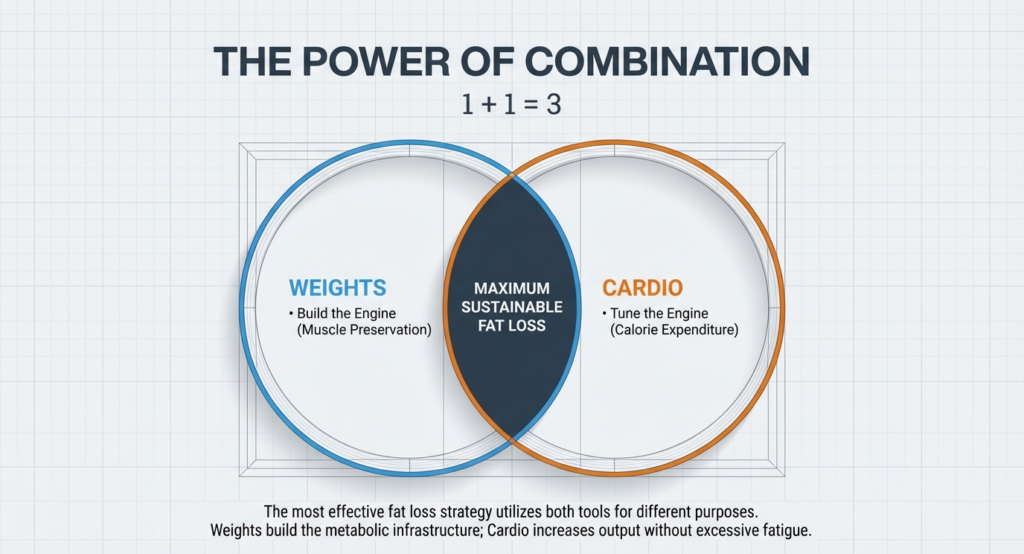
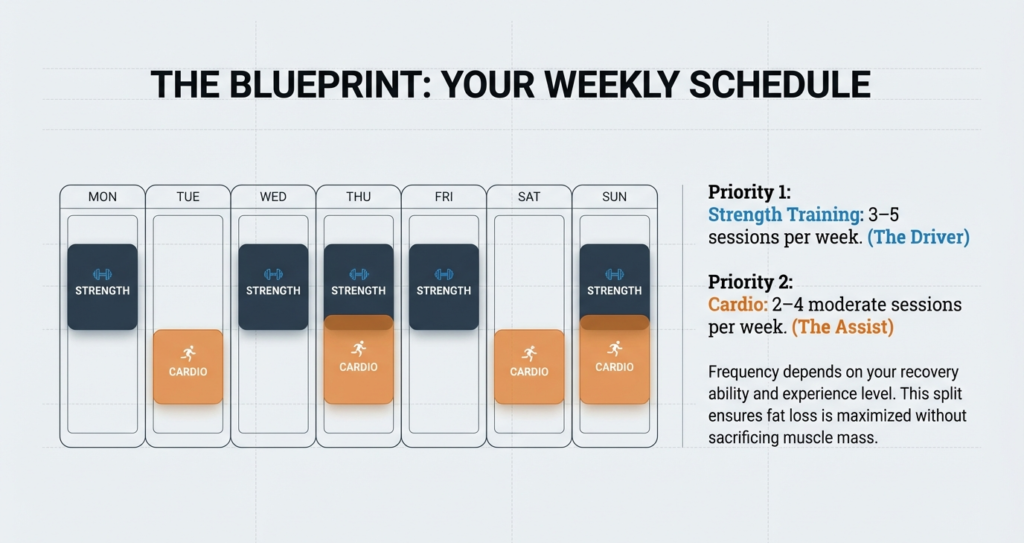
In the case of most people, the combination of both methods produces the best fat loss. Weight training maintains muscle and develops your body, whereas cardio raises the overall calorie consumption and conditions. An example of a balanced weekly schedule would be 3-5 strength workouts and 2-4 moderate cardio workouts, based on recovery ability and level of experience. This will ensure that the amount of fat lost is maximized without much loss of the muscle mass.
10. Nutrition: fueling the machine
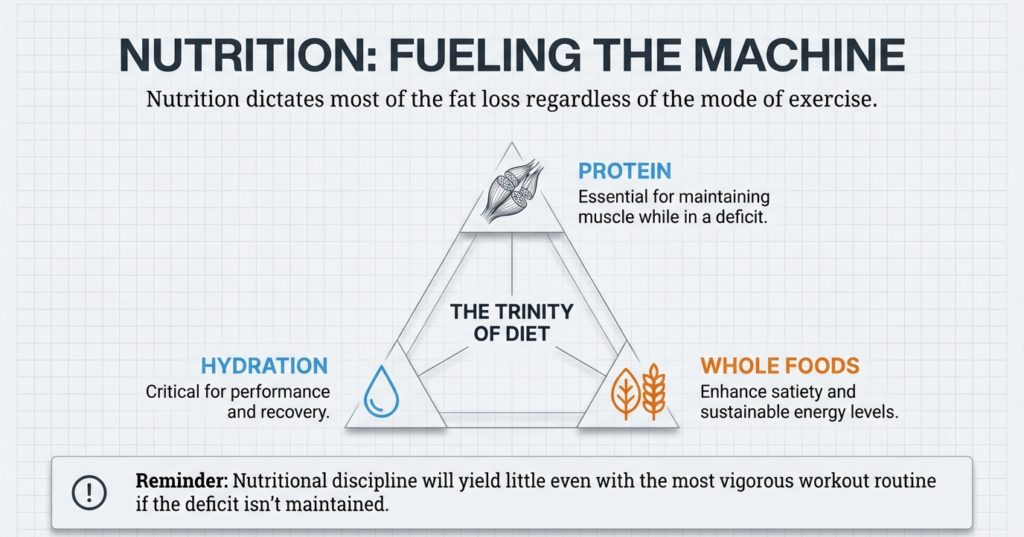
A bad diet cannot be exercised off. Nutrition is what dictates most of the fat loss regardless of the mode of exercise you follow be it cardio, or weights or the combination of both. High protein diet assists in maintaining muscle in a deficit. Whole foods enhance satiety and energy. Adequate hydration is beneficial to performance and recovery. Nutritional discipline will yield little even with the most vigorous workout routine.
5 steps to execution
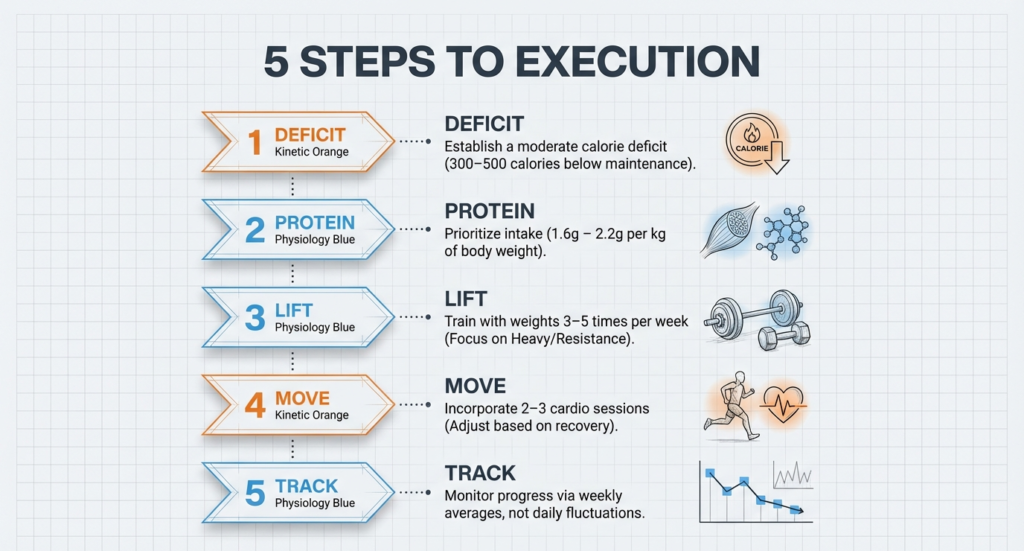
Fat loss is not complex, but an undertaking towards success. To begin with, make sure that you have a moderate calorie deficit of 300-500 calories under maintenance to maintain the progress as steady and sustainable as possible. Second, ensure protein consumption between 1.6 to 2.2 grams/kg body weight in order to maintain muscle in the deficit. Third, do weight lifting three to five times a week with progressive resistance to assure muscle strength and metabolism rates. Fourth, add two to three cardio sessions in accordance with your ability to recover to boost your caloric burnt.
Lastly, monitor improvement by looking at weekly averages and not daily variability to make appropriate changes and be consistent in the long run.
Weekly schedule
A proper fat loss program begins with a weekly regime where strength training is an important priority with cardio being planned. The basis should be strength sessions, which should be three or five times a week, since they retain muscle and maintain a metabolism rate and also develop the body shape. Added two to four times a week based on recovery is another supportive level of cardio, which is used to stimulate more calories burned and enhance conditioning. The trick of it is balancing, excess cardio makes the recovery ineffective whereas excessively limited movement might decelerate progress.
This outline will make sure that the maximum amount of fat is lost, and the mass of muscles remains intact, as the approach will be sustainable, effective, and performance-based.
Common Pitfalls to Avoid
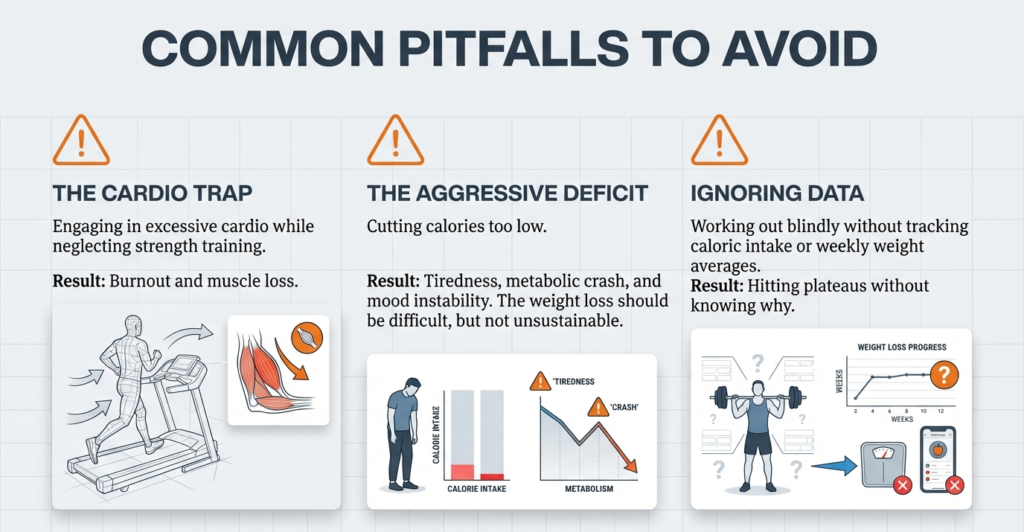
Most individuals commit the error of engaging in too much cardio and failing to work on the strength. Some people work out but do not pay attention to the number of calories.
The other mistaken thing is the excessive reduction in calories, which results in tiredness, ineffective exercise and loss of muscles. The weight loss should be difficult but not too hard. In case the energy, mood, and strength crash incredibly, your deficit can be excessively aggressive.
Final Verdict: It is not a Competition
There is a confusion over the issue of cardio or weights. As a matter of fact, they are used in various ways. Cardio raises metabolism and makes the heart healthier. Exercising maintains muscle and develops your body. To achieve sustainable, lean, and athletic fat loss, weight training should take precedence, calorie deficit should be followed and cardio should be used as an assistive, rather than a starting, tool.
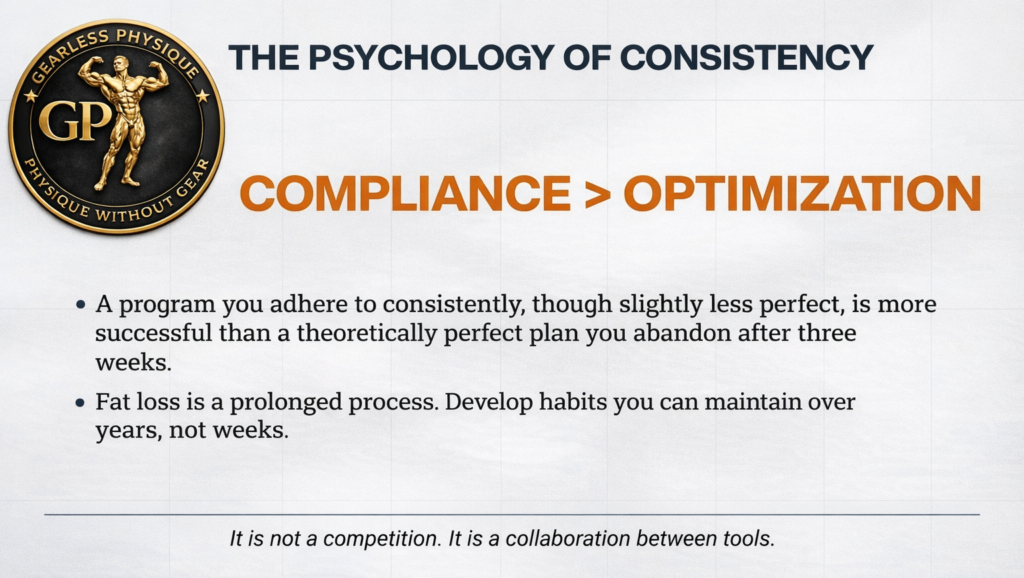
The loss of fat is a prolonged process. Develop strength, muscle protection and habits that you can maintain over years – not weeks. Through these 10 facts you are able to understand why the confusion is eliminated. You develop a more intelligent plan of action instead of siding.

Gearless Physique
Physique Without Gear
Your transformation starts now. Who's with me?