Table of Contents
Toggle10 Discipline Principles: for a Gearless Physique and Mind
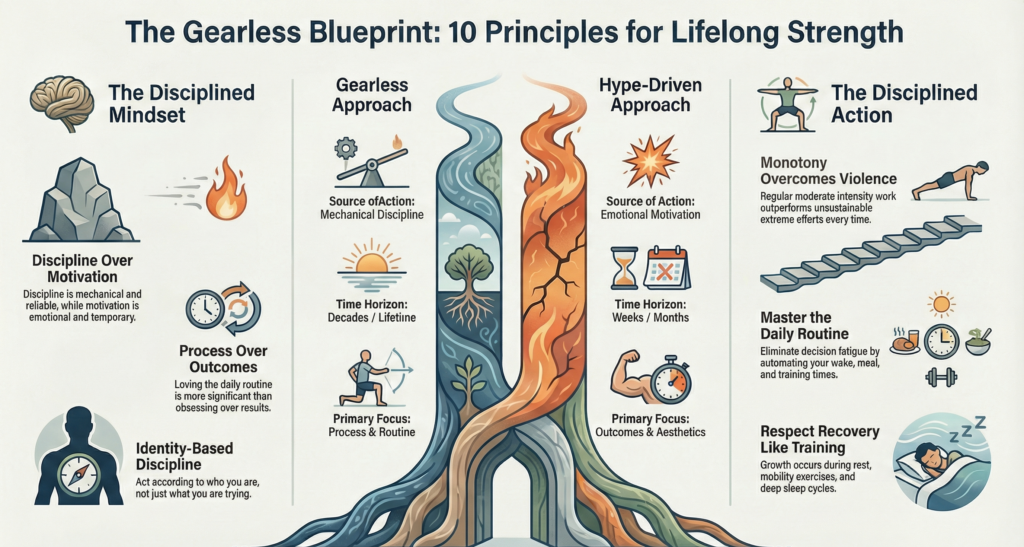
This blog teach us 10 discipline principles: for a gearless physique and mind. highlights the core philosophy of building a strong physique and mindset through discipline and consistency. It contrasts a gearless, process-driven approach with a hype-driven, short-term mindset, emphasizing long-term habits over temporary motivation. Key principles like discipline over motivation, process over outcomes, and identity-based habits reinforce sustainable progress. The visual also stresses structured routines, recovery, and balanced training for optimal performance. By combining mental strength with physical discipline, this blueprint clearly communicates that lasting fitness success is achieved through consistency, patience, and smart decision-making rather than shortcuts or extreme, unsustainable methods.
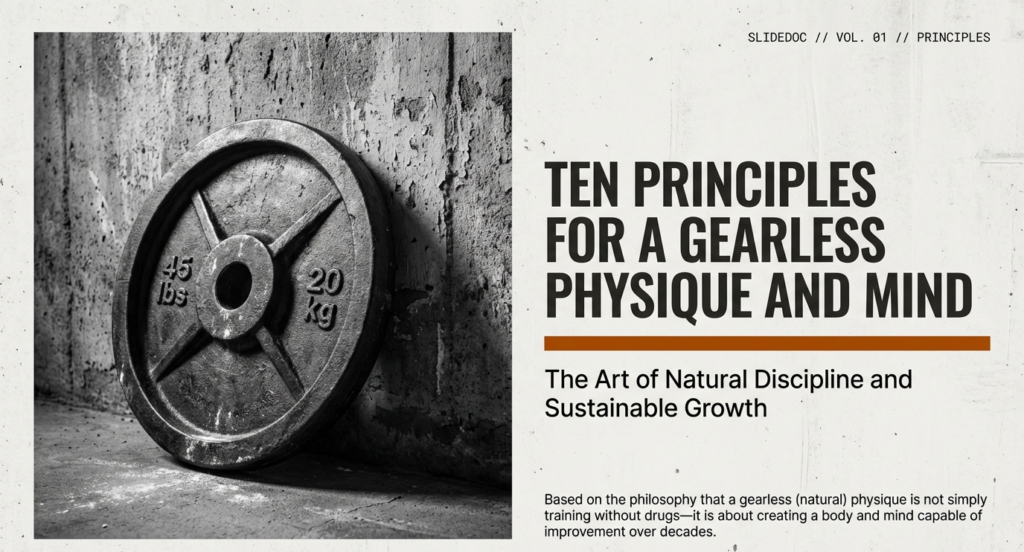
The art of natural discipline & sustainable growth
Gearless physique is not simply the training without drugs and short cuts. It is all about creating a body and mind which can carry on improvement over decades. Discipline is the true addition that can be made to distinguish the momentary changes with the life time strength. Any person can work hard in a couple of weeks. Few of them are able to remain consistent over the years. This blog deconstructs 10 discipline principles that not only create a strong, natural body, but also a firm, concentrated mind. These values are eternal. Lead them and outcomes are bound to happen.
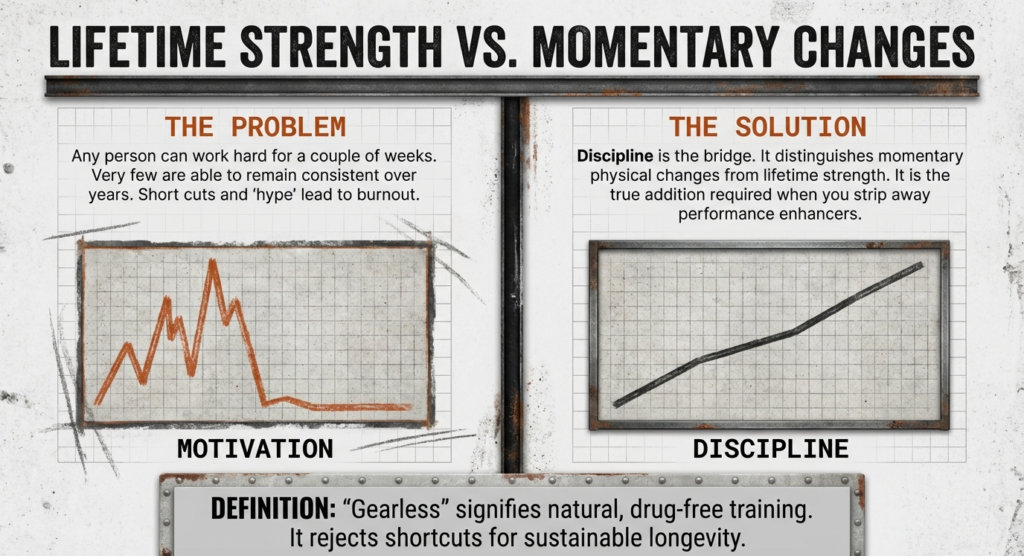
Lifetime Strength VS Momentary changes
This picture makes a comparison between the short-term gains of fitness and the lifetime fitness. On the left, the motivation will generate a sharp spike and then will deteriorate, which symbolizes hype-motivated training resulting in burn out. On the right, there is discipline as a stable upward line which represents sustainable growth acquired through years. The graphic reminds anyone that anyone can train in a couple of weeks but only disciplined athletes can be consistent in the long run. Authentic gearless training does not accept shortcuts and performance enhancers but rather patience, structure and habitual routines. Training is the gateway to short-term outcomes to a healthy and robust body that can withstand the test of time.
3 pillars : 10 rules of gearless physique
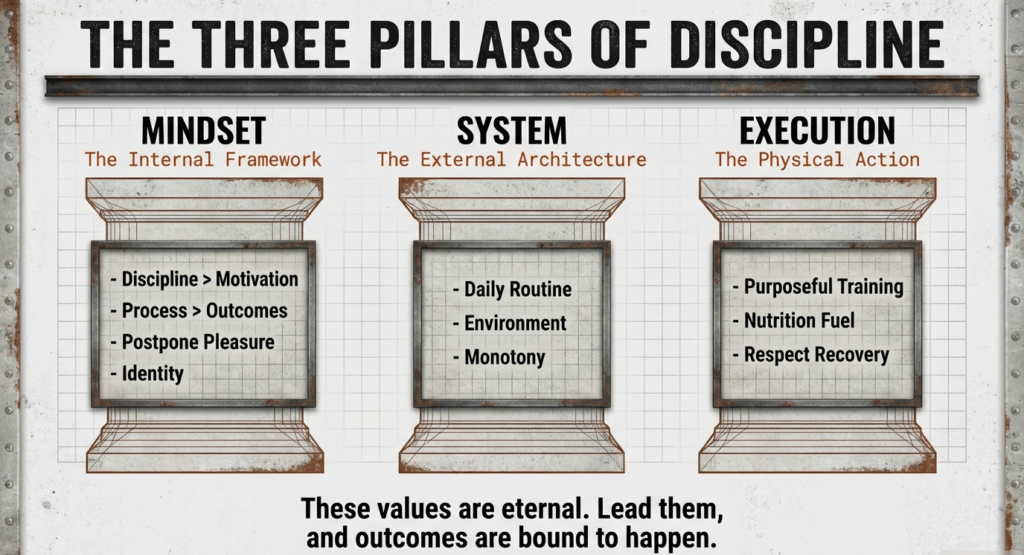
This picture shows the three key pillars of discipline namely mindset, system, and execution. Mindset is the interior paradigm, in which discipline is more important than motivation, process is more important than result, pleasure is delayed in favour of identity based behaviours. System is an exterior organization constructed by daily habit, regulated surroundings and fruitful routine. The physical action is execution, intentional training, controlled eating and admired rest. All of these pillars demonstrate that sustainable outcomes do not happen by chance. With consistently led behavior, the outcomes are the by-products of values. Not one of the three pillars alone but all three have to be mastered to develop true gearless strength.
Rule 1: Discipline Over Motivation
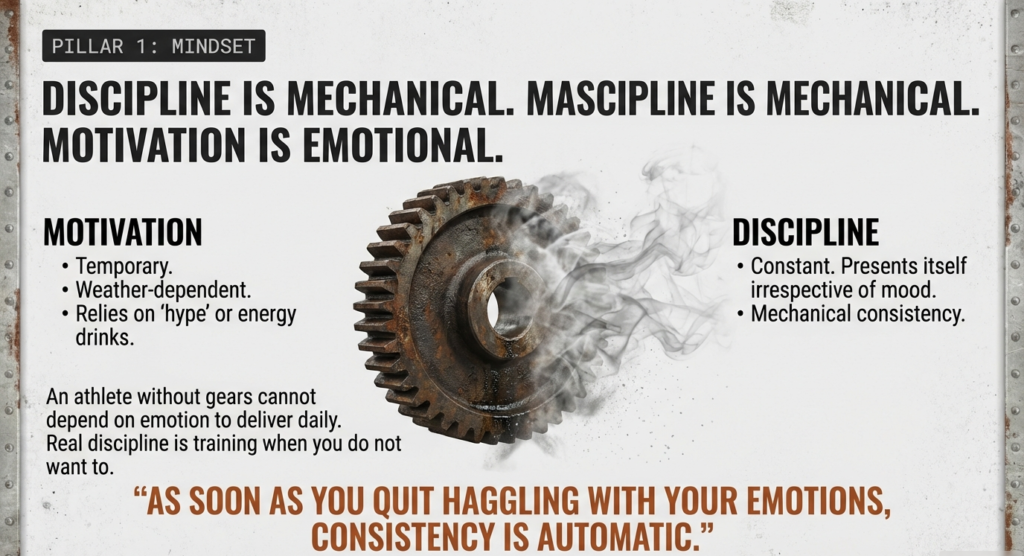
Motivation is emotional. Discipline is mechanical. Motivation is temporary but discipline will present itself irrespective of the mood, weather or anything. An athlete without gears cannot depend on either hype or energy drink to deliver on a daily basis. Real discipline is that of training when you do not want to. It is having the right meals when you feel like having junk food. As soon as you quit haggling with your emotions, consistency is automatic. In the course of time, discipline will make the effort a habit and habit an identity.
Rule 2: Process Over Outcomes
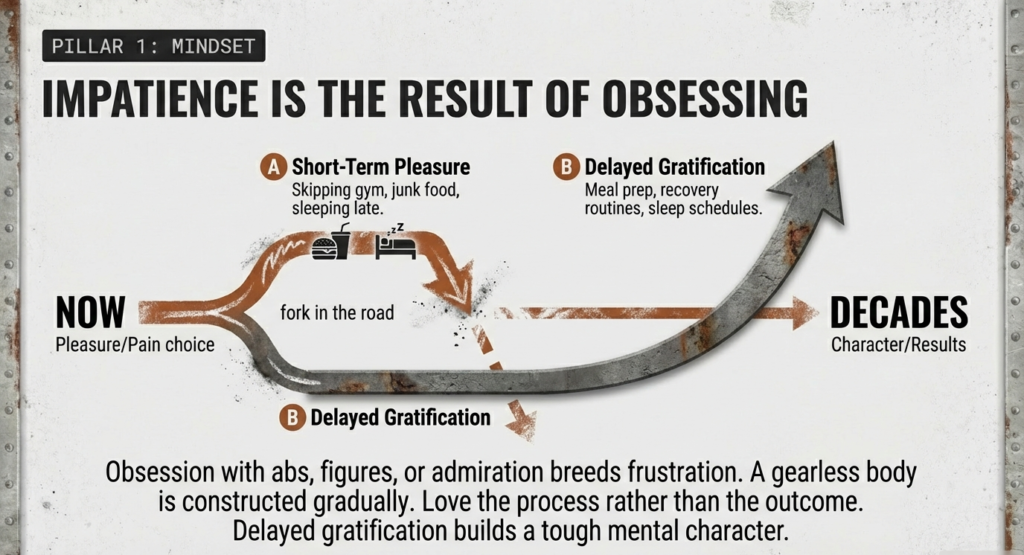
This picture describes why impatience is created through the fascination of the short-term result rather than the long-term development. It shows how there is a fork in the road where doing the right things like exercising, eating junk foods or going to bed early will result in no movement and cause frustration. Conversely, structural discipline, preparing meals in advance, rest and regular sleep generate a consistent decade-long improvement.
The visual focuses on the fact that the actual gearless strength is not created overnight. Through embracing the process instead of seeking approval and immediate outcomes, discipline builds character and mind power, which creates a long-term physical and mental stamina.
Rule 3: Postpone Pleasure
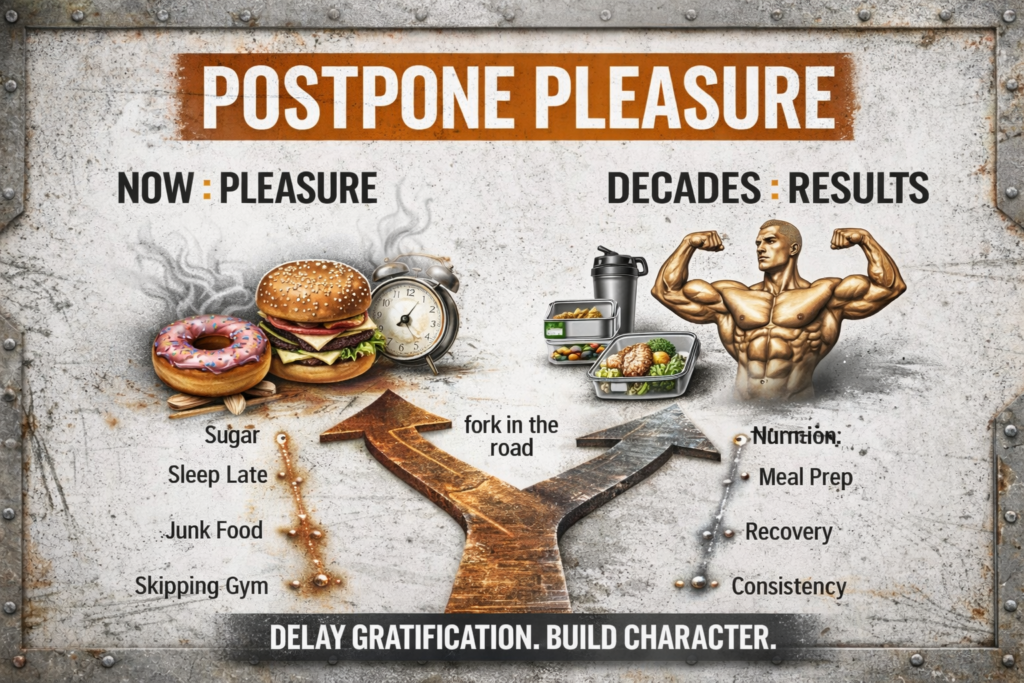
This picture explains the strong decision between instant gratification and the long-term outcomes. On the one hand, there are immediate satisfaction, junk food, late nights, and workouts that are good in the present but result in stagnation. Opposite to it is delayed gratification – systematic feeding, regular exercise, proper rest, and discipline which builds up over time. The choice of the fork in the road is a daily choice that any athlete has to make. Delaying pleasure does not take into consideration deprivation; it is intentional. Deciding to discipline yourself today gives you character, power and a body that will take decades and not moments.
Rule 4: Identity
Develop Identity-Based Punishment:
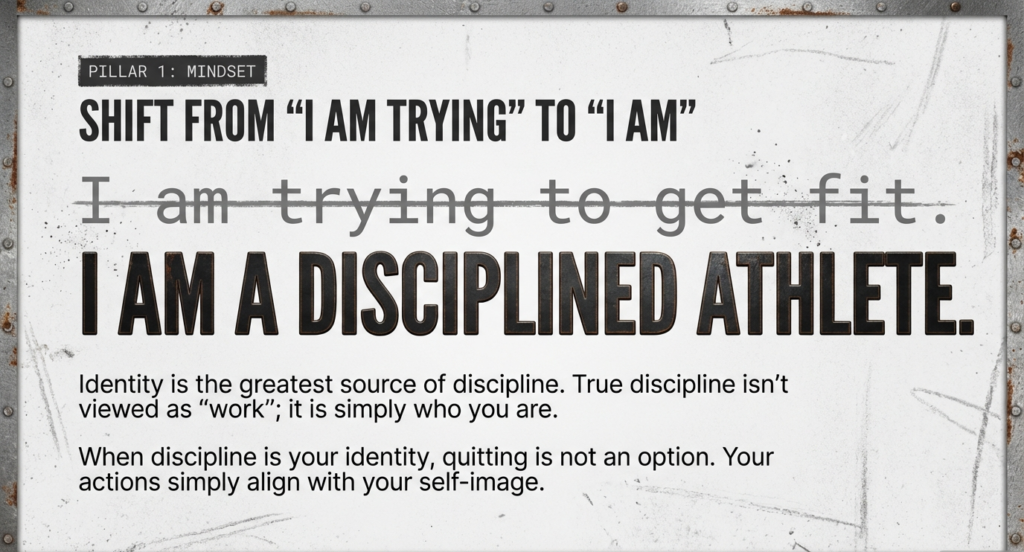
Identity is the greatest source of discipline. Rather than telling people, I am trying to get fit, tell them, I am a disciplined athlete. What you do is according to your self image.
A gearless body is developed by an individual who regards discipline to be a part of his or her identity. Training, eating well and recovering well are matters of identity and not of work. In a case where discipline is identity, there is no option but to quit.
Rule 5: Master Your Daily Routine
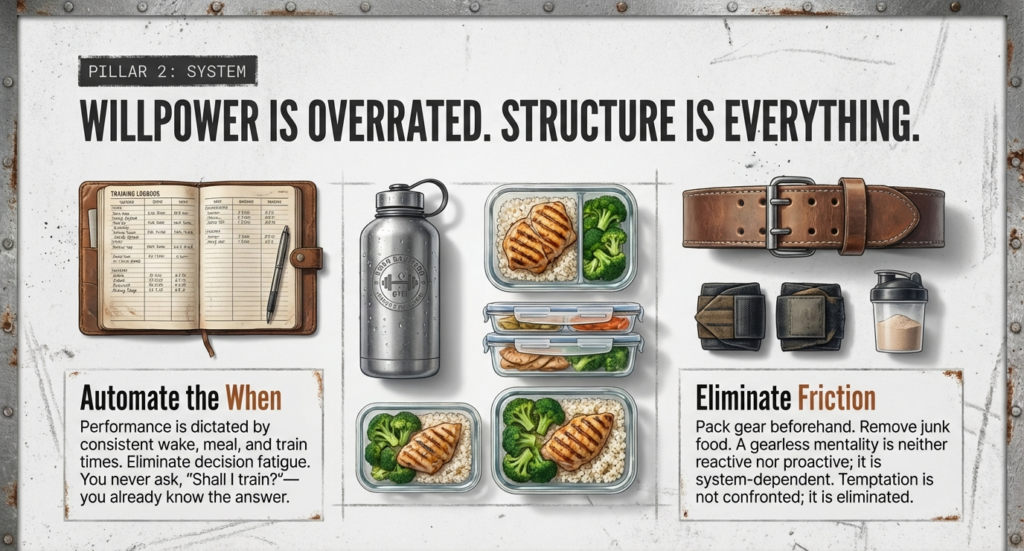
The body is a disposition of your everyday form. Performance is affected by the time of awake, time of meal, time of training and time of sleep. Routine is what develops discipline and not will power. When your day is based on a regular pattern, decision fatigue is eliminated. You do not ask, shall I go to work today? You already know the answer. The success of gearless athletes is due to the fact that they eliminate friction and automate discipline using structure.
Rule 6: Control Your Environment
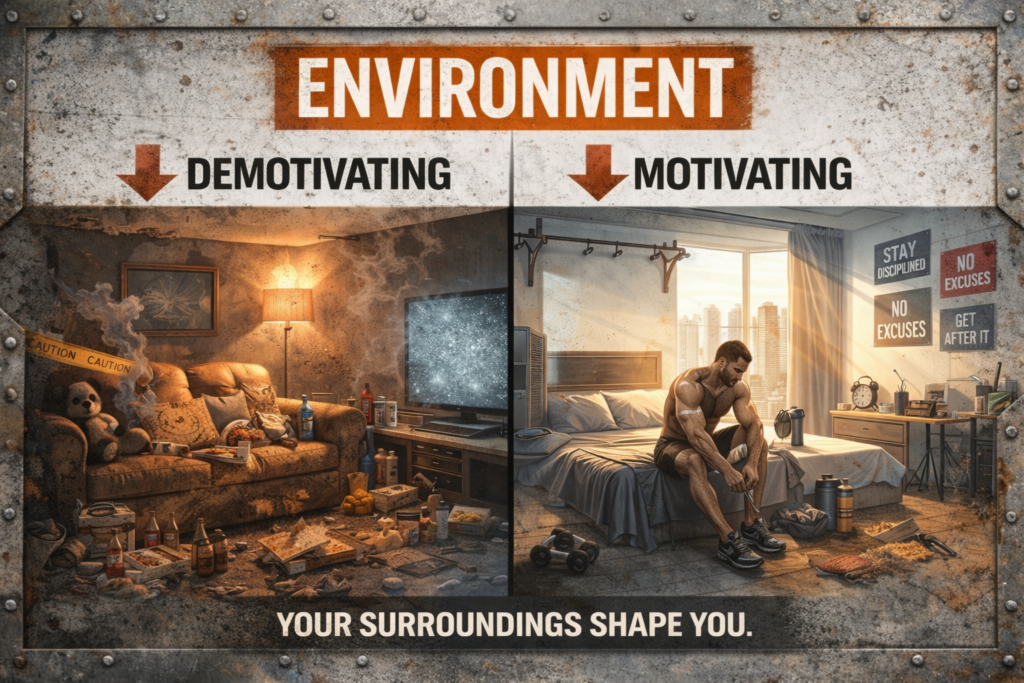
Willpower is overrated. Environment is everything. When everything around you helps you to achieve your objectives, discipline is not difficult. Keep junk food out of sight. Pack gym outfits beforehand. The people around you should be people who value fitness. A gearless mentality is neither reactive nor proactive. Rather than confronting temptation, eliminate it. Discipline is easy when everything is in place. You cease to be motivated and become system dependent.
Rule 7: Monotony Overcomes Violence
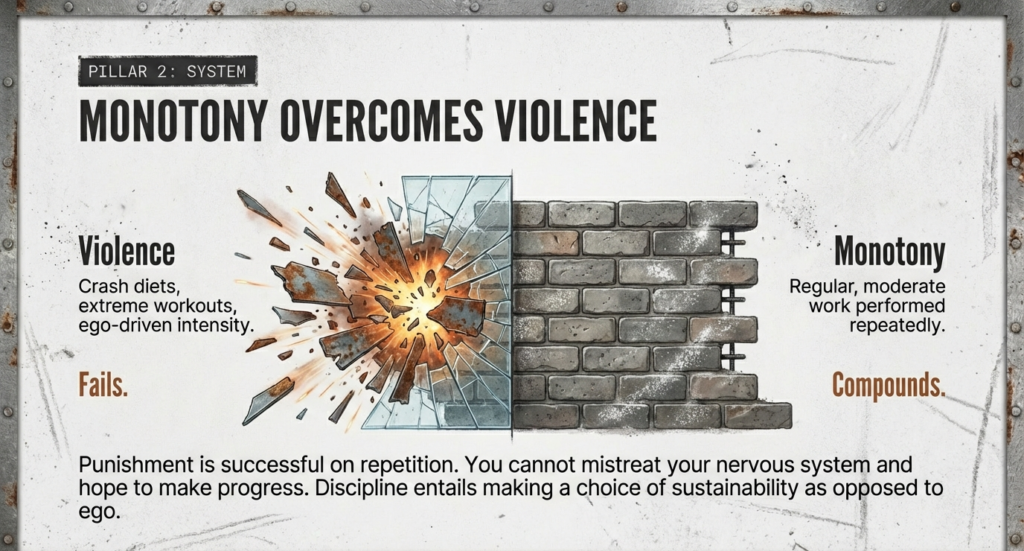
There is always a feeling of productivity and crash diets and extreme workouts are not lasting. Punishment is successful on repetition. Once regular moderate intensity work is performed, it will be better than the all-out infrequent work. Training demands the natural respect of recovery. You cannot mistreat your nervous system and hope to make progress. Regular training, regular eating and regular sleep provide the body with a condition in which it becomes accustomed to it. Discipline entails making a choice of sustainability, as opposed to ego.
Rule 8: Training With Purpose, Not Passion
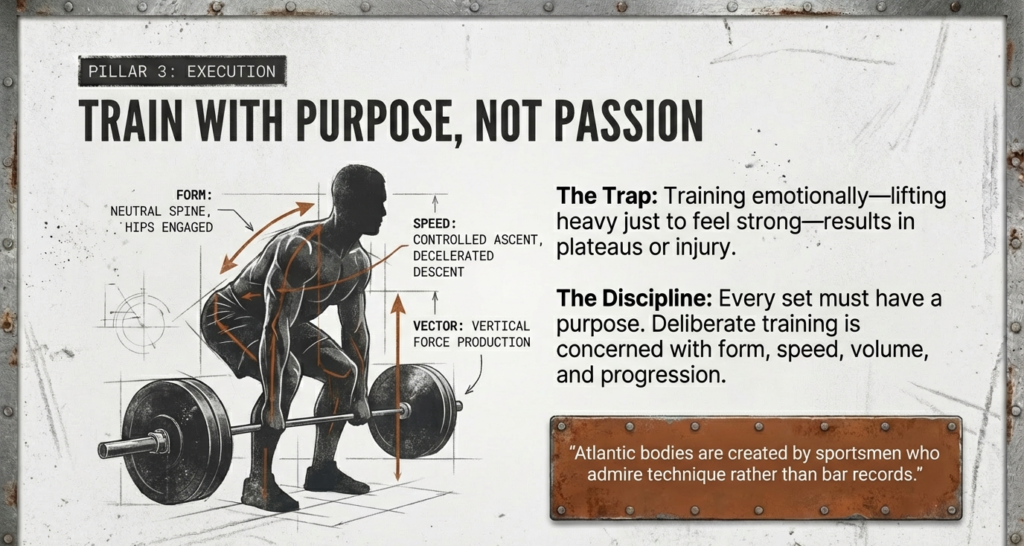
Discipline refers to training with a reason. Each set must have its purpose. Each exercise shall be goal oriented. Training emotionally such as lifting heavy weight in an effort to feel strong results in plateau or injury. The deliberate training is concerned with form, speed, volume and progression. Such an attitude keeps the ego on track and development on course. Atlantic bodies are created by sportsmen, who admire technique rather than bar records.
Rule 9: There Is No Compromise on Nutrition Discipline
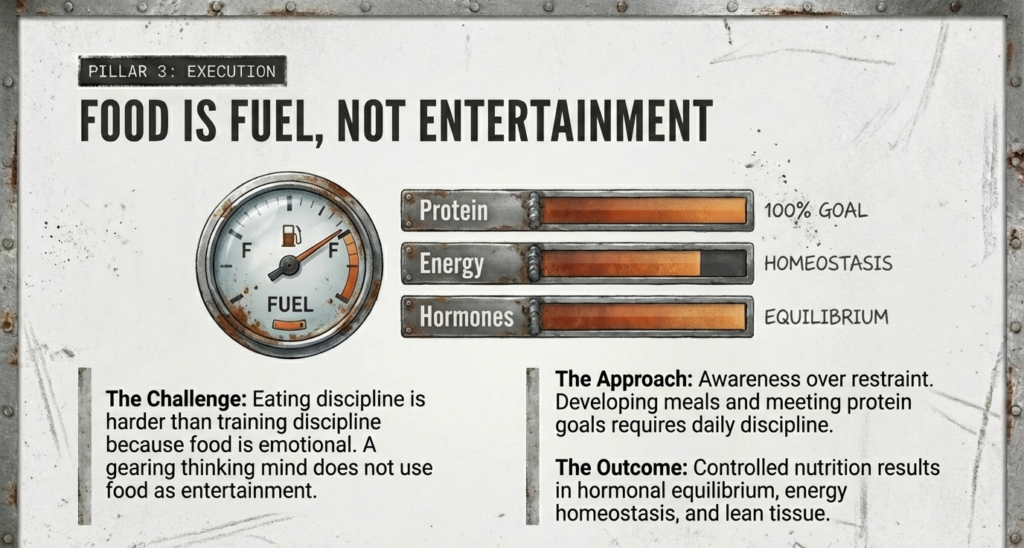
Avoiding bad nutrition by training is impossible, particularly without drugs. Eating discipline is regularly harder than training discipline since food is emotional.
A gearing thinking mind does not use food as entertainment. This does not imply high restraint. It means awareness. Developing meals, meeting protein goals, and portions demand discipline every day. In the long-run, controlled nutrition results in hormonal equilibrium, energy homeostasis and lean tissue.
Rule 10: Respect Recoveries Like Training
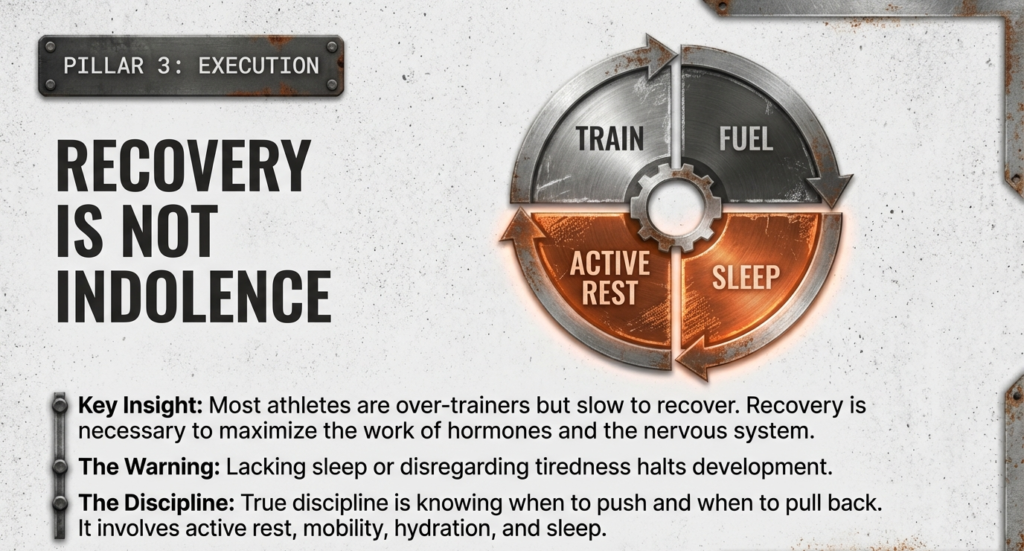
Most athletes are over-trainers but slow to recover. Discipline involves rest, mobility exercises, hydration and sleep. The process of recovery is not indolence.
Recovery is especially necessary to natural athletes in order to maximize the work of hormones and nervous system. Lacking sleep or disregarding tiredness only serves to stop development. It is being able to know when to push and when to pull back to have true discipline. Recovery discipline has got you on the move year after year.
The Formation of the Mind with These Principles
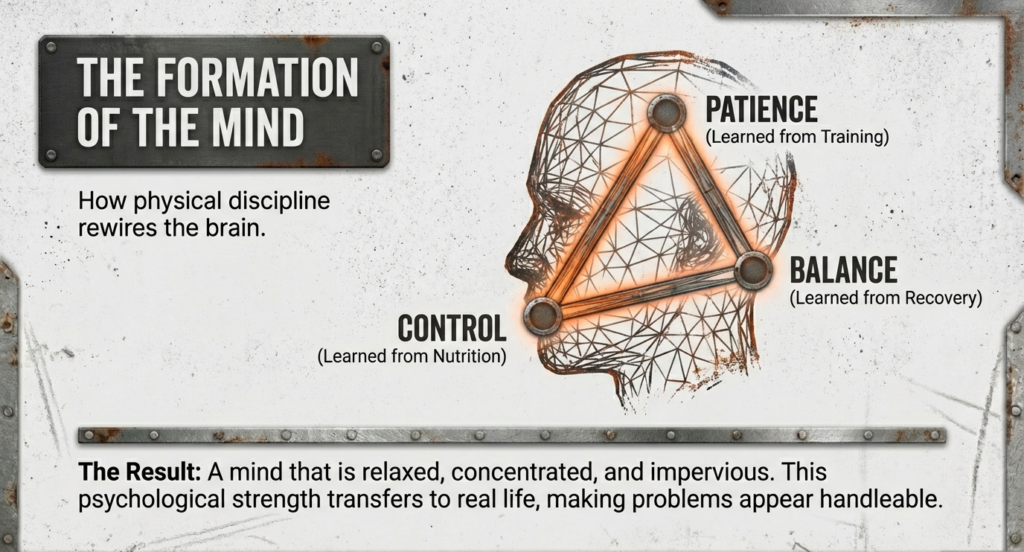
Corporal punishment refines psychological punishment. Training teaches patience. Nutrition teaches control. Recovery teaches balance. In the long run, the mind becomes relaxed, more concentrated, and stronger. The sense of self-respect is growing in gearless athletes since it is a process that is not forced but acquired. There is confidence in the knowledge of having done the work. This psychological strength transfers to the real life and it makes the problems look easy and handleable as opposed to the past.
Most of the pitfalls that kill discipline
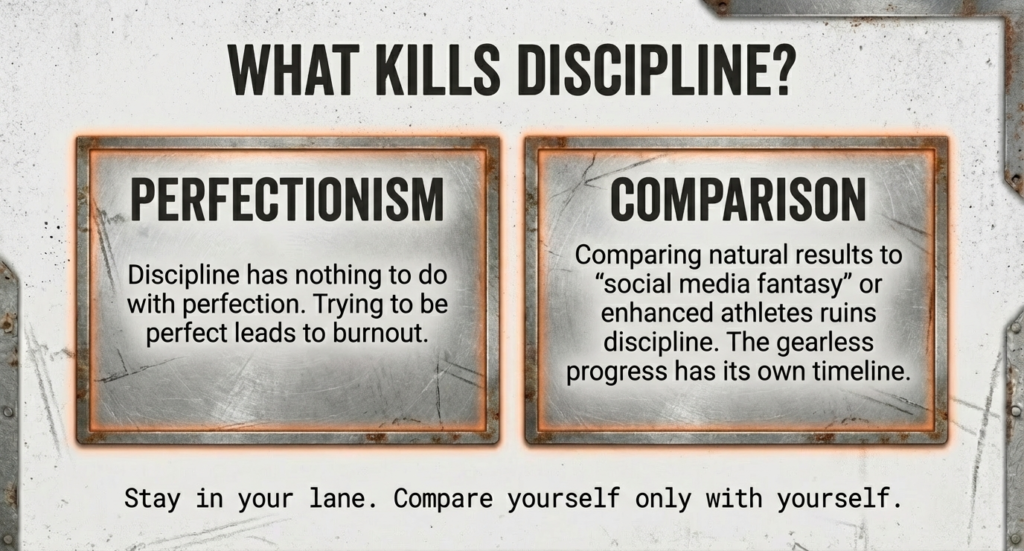
A lot of individuals do not succeed because they do not have discipline, however, they have unrealistic expectations. Burnout comes when one tries to be perfect. Discipline has nothing to do with perfection. The other thing to avoid is imitating improved athletes. The gearless progress has other timelines. Discipline is ruined when one compares themselves with others. Stay in your lane. Compare yourself with yourself and not social media fantasy.
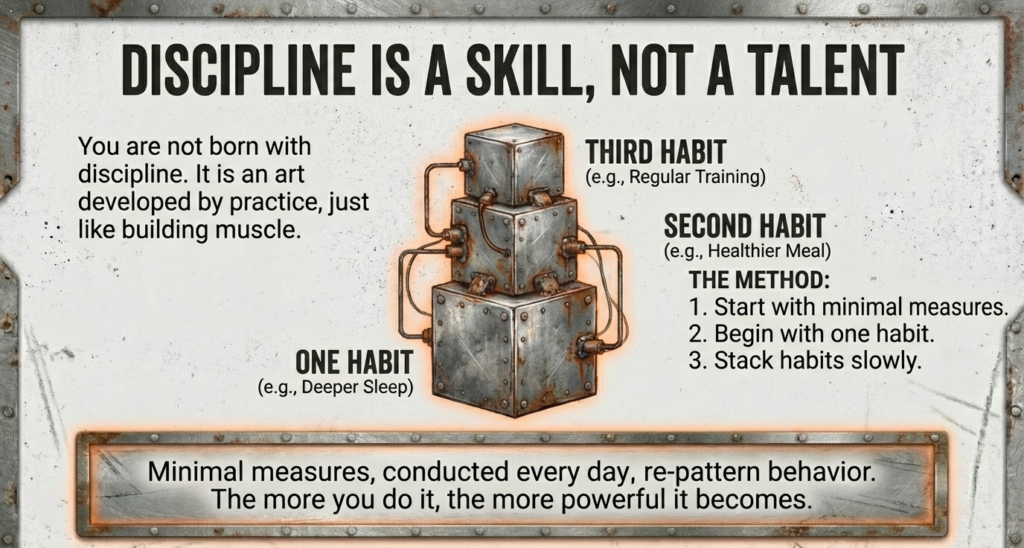
Discipline is not an ability, but a skill
You cannot be born with discipline. It is an art that is developed by practice. Minimal discipline measures, conducted every day, re-pattern behavior and attitude.
Begin with just one habit- regular training, deeper sleep or healthier meals. Stack habits slowly. Discipline just builds up as muscles do. The more you do it the more powerful it becomes.
Concluding Remarks: The Gearless Benefit
Gearless body is less easy to develop, but it is a longer lasting one. This field of study results in a functional, aesthetic, and healthy body. More to the point, it develops a mind that is relaxed, concentrated, and impervious.
Trends change. Supplements change. Discipline doesn’t. These 10 principles are the building blocks of working out; once you know how to work out using them, you will not only appear strong but you will be strong.
Read more: https://emilyrudow.com/blog/the-principles-of-sustainable-fitness/

Gearless Physique
Physique Without Gear
Your transformation starts now. Who's with me?